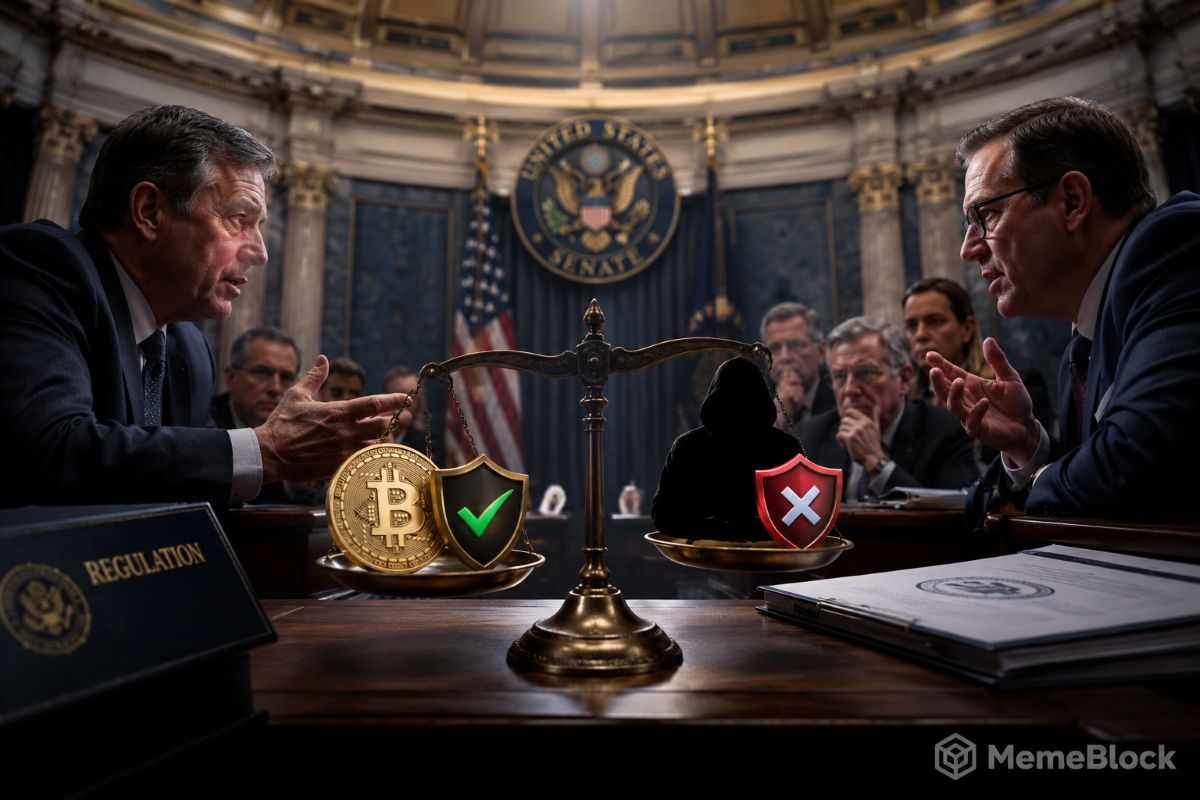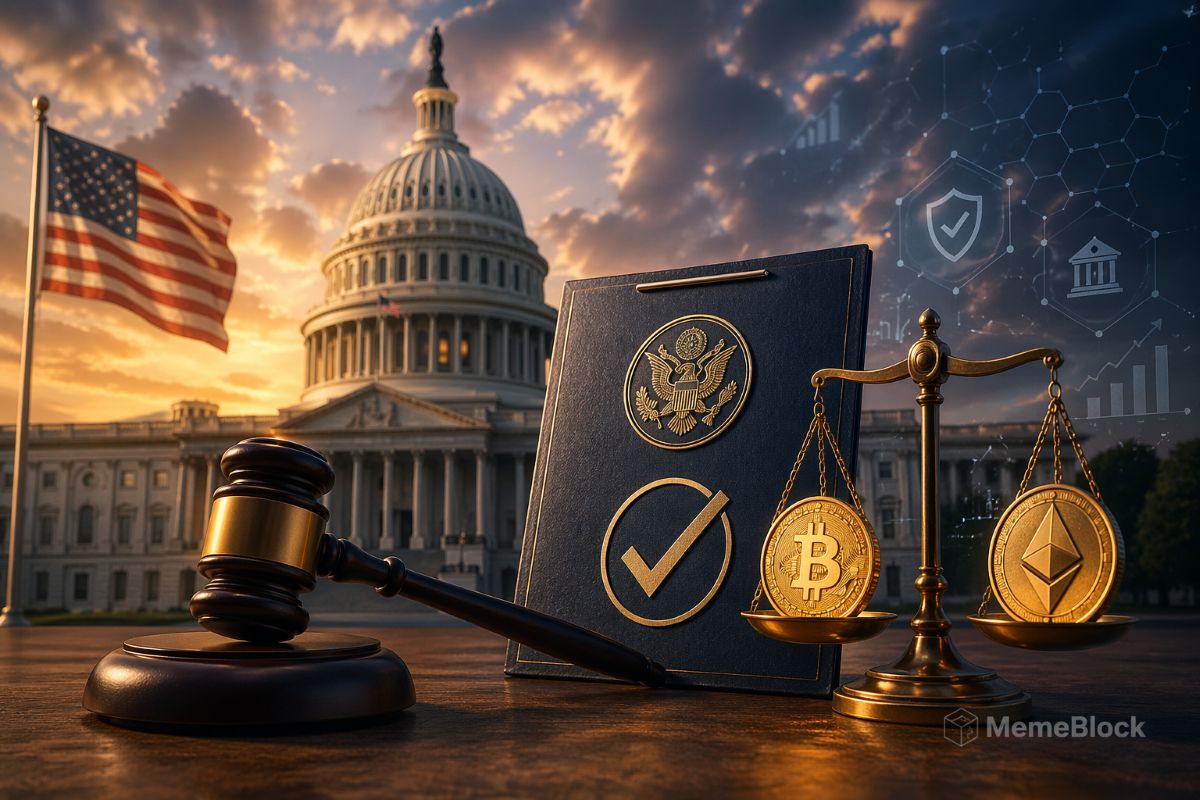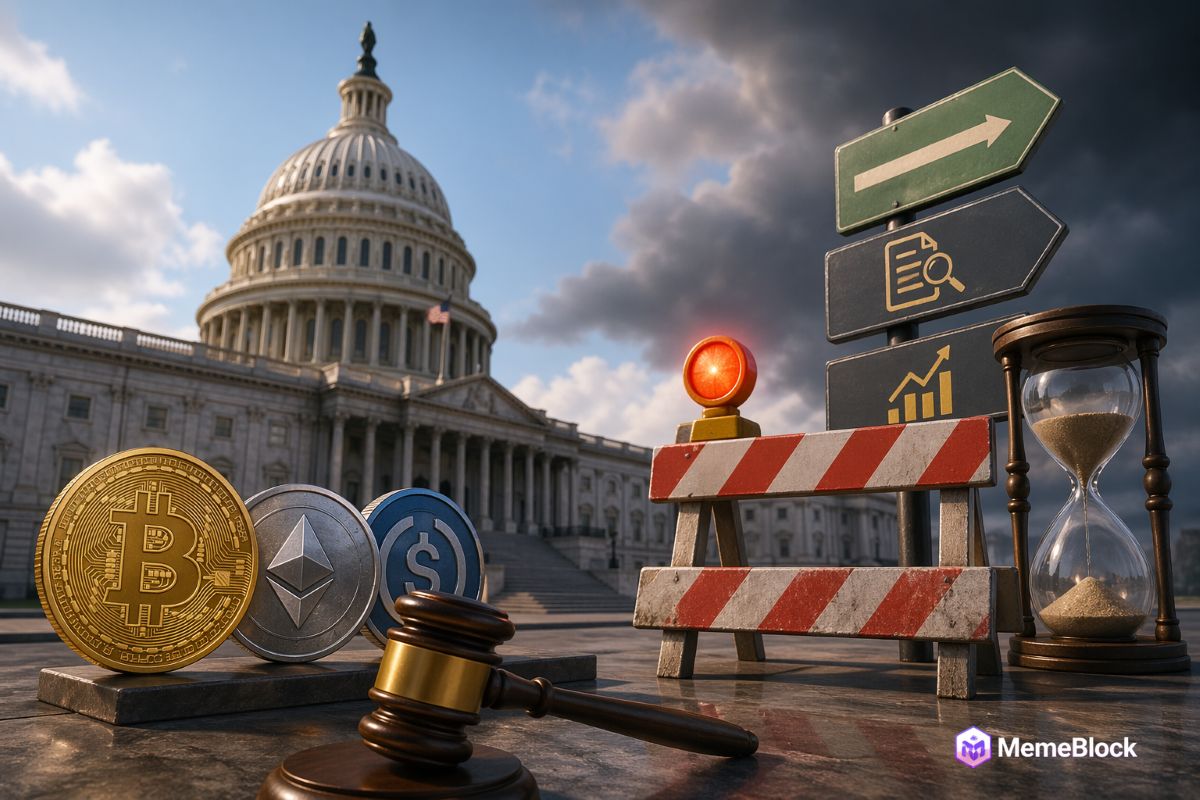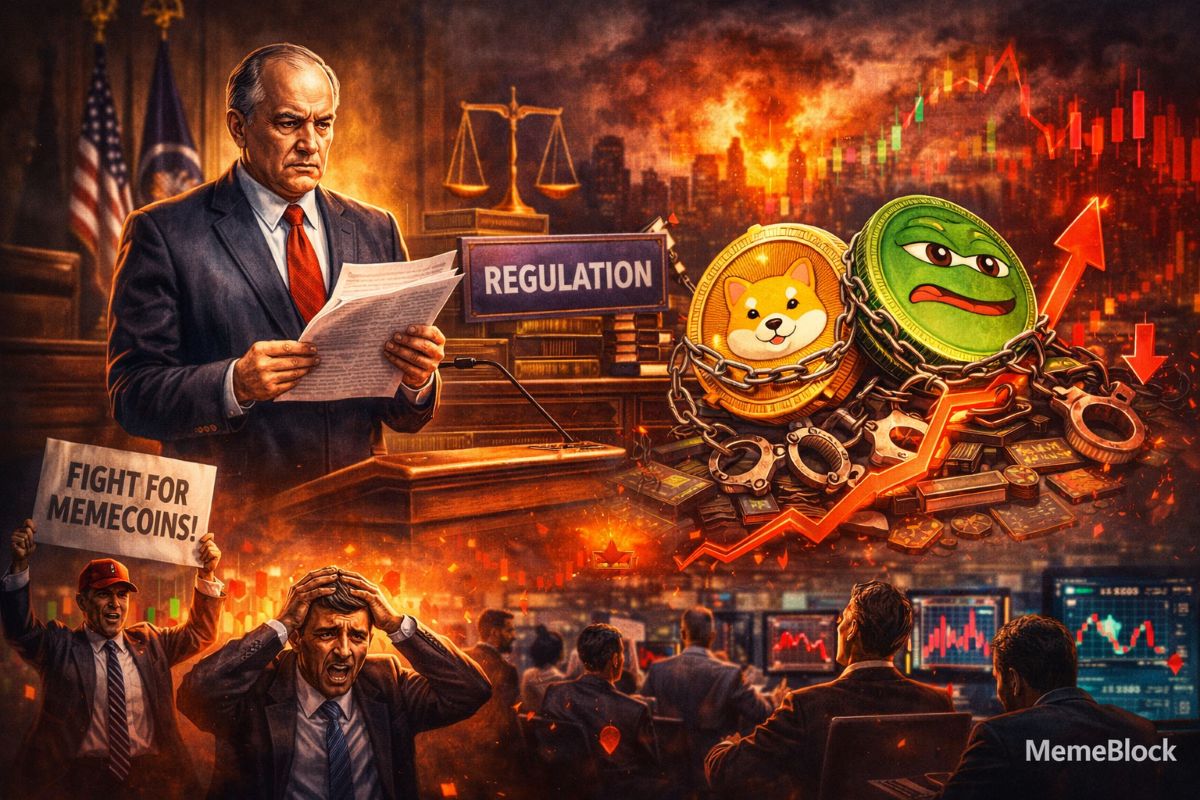
For years, the U.S. crypto industry has operated under a regulatory strategy that often felt like, “Guess the rules, and we’ll tell you later if you were wrong.” Now, the U.S. Securities and Exchange Commission (SEC) appears ready to replace that uncertainty with a formal Regulation Crypto rulemaking package designed to establish a clearer digital asset framework. Yes, apparently writing actual rules has finally become fashionable.
SEC Signals Shift Toward Formal Crypto Rulemaking
The SEC has placed crypto regulation high on its rulemaking agenda, signaling plans to propose comprehensive regulations governing the issuance, trading, and custody of digital assets. According to the latest regulatory agenda, the Commission is considering new rules that would introduce exemptions, safe harbours, and clearer compliance standards for crypto market participants.
Rather than relying primarily on enforcement actions, the agency is exploring a structured framework that could provide legal certainty for exchanges, token issuers, institutional investors, and blockchain developers. It’s a notable change from years of criticism that the SEC preferred lawsuits over rulebooks.
What the Proposed Digital Asset Regulatory Framework Could Include
The proposed digital asset regulatory framework in the United States is expected to address several long-standing issues:
- Clear classification of digital assets.
- Registration requirements for crypto platforms.
- Safe harbour provisions for qualifying projects.
- Custody standards for digital assets.
- Market structure rules covering crypto exchanges and alternative trading systems.
The SEC says the objective is to balance investor protection with innovation while reducing regulatory uncertainty that has discouraged institutional participation.
Industry Finally Gets What It Asked For Almost
The crypto industry has repeatedly argued that existing securities laws were never designed for decentralized blockchain networks. Many companies have urged regulators to publish explicit rules instead of interpreting decades-old legislation on a case-by-case basis.
Recent submissions to the SEC’s Crypto Task Force have also recommended that Regulation Crypto incorporate technical standards for tokenized assets, emphasizing architecture-based compliance rather than relying solely on legal contracts.
Of course, this doesn’t mean everyone will suddenly agree. Crypto regulation without disagreement would be like Bitcoin without volatility, technically possible, but nobody expects it.
Why This Matters for the Crypto Market
If implemented, the new framework could significantly reduce legal uncertainty surrounding digital assets in the United States.
Greater regulatory clarity may:
- Encourage institutional investment.
- Improve compliance across crypto businesses.
- Reduce costly litigation.
- Strengthen investor confidence.
- Better define the responsibilities of the SEC and other regulators.
The rulemaking process remains in its early stages, meaning proposals will still undergo public consultation before becoming final regulations.
Final Thoughts
The SEC’s latest move suggests a transition from regulation-by-enforcement toward regulation-by-rulemaking. Whether the final package satisfies both regulators and the crypto industry remains to be seen, but at least everyone may soon be arguing over written rules instead of imaginary ones. That’s progress, Washington style.
FAQs
What is the SEC’s Regulation Crypto rulemaking package?
It is a proposed regulatory initiative aimed at creating formal rules governing digital assets, crypto exchanges, custody, token offerings, and market structure.
Why is the SEC introducing a formal crypto framework?
The agency says clearer regulations can improve investor protection while providing greater certainty for the growing digital asset market.
Will the new rules replace enforcement actions?
Not entirely. The SEC retains its enforcement authority, but formal regulations could reduce uncertainty and clarify compliance expectations.
What are safe harbour provisions in crypto regulation?
Safe harbours generally provide temporary or conditional regulatory relief for projects that meet specified disclosure and compliance requirements.
Has the Regulation Crypto package been finalized?
No. The SEC is currently preparing proposed rules, which will go through the standard public notice-and-comment process before any final adoption.
How could these rules affect crypto investors?
Clearer regulations may improve transparency, strengthen investor protections, and provide more predictable operating standards for digital asset businesses.