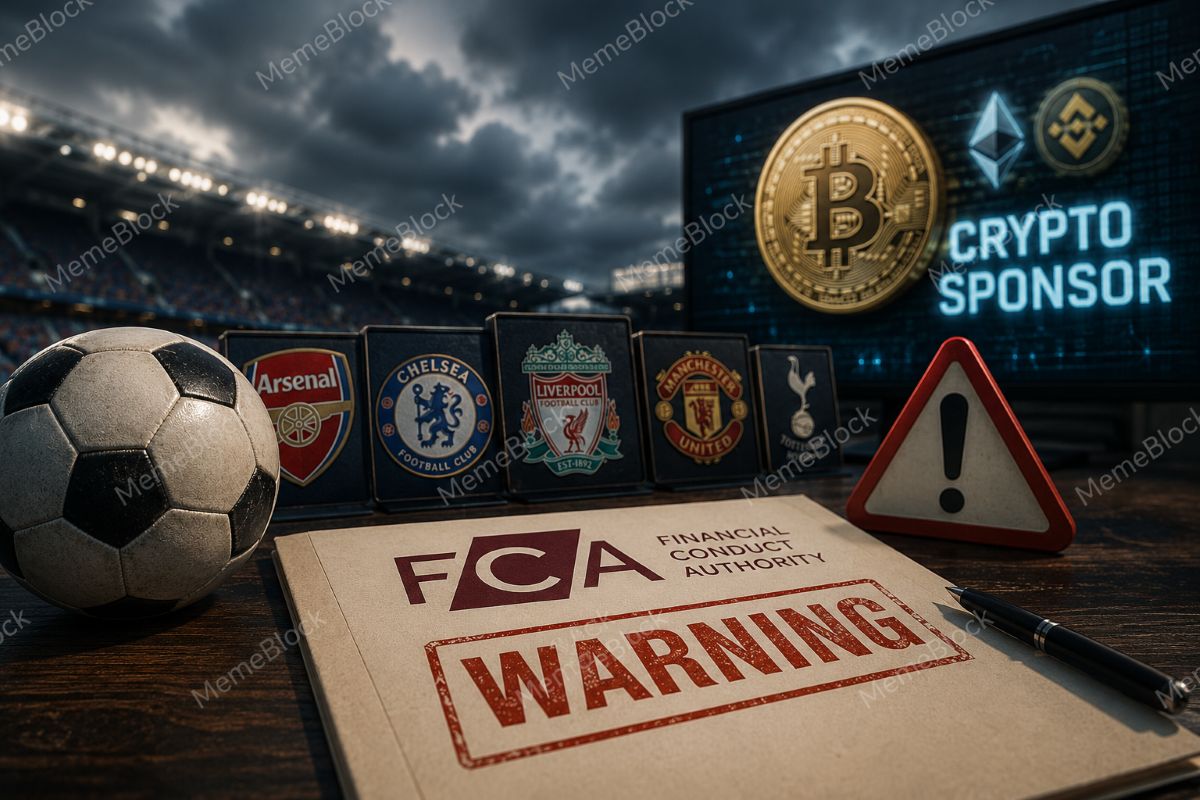
The United Kingdom’s Financial Conduct Authority (FCA) has issued a strong warning to Premier League and other football clubs about entering sponsorship agreements with unauthorized cryptocurrency firms and trading platforms. The regulator cautioned that these partnerships could expose clubs to legal liability, money laundering risks, regulatory scrutiny, and significant reputational damage. Moreover, they could potentially put millions of football fans at financial risk.
The warning arrives as football clubs increasingly seek alternative sponsorship revenue streams ahead of the 2026-27 season. This trend is particularly notable following the Premier League’s move away from front-of-shirt gambling sponsorships. Additionally, regulators fear that unlicensed crypto firms may attempt to fill that commercial gap by leveraging football’s massive fan base.
According to the FCA, several unauthorized crypto businesses and trading platforms may be using football sponsorships to promote financial products to UK consumers. This occurs despite a lack of permission to operate in the country. Furthermore, the regulator has reportedly contacted clubs where concerns have been identified. The FCA urged teams to conduct enhanced due diligence before signing commercial agreements.
Lucy Castledine, the FCA’s Director of Consumer Investments, emphasized that football clubs should not allow unauthorized financial firms to exploit the trust and loyalty of supporters. The regulator warned that fans who engage with unregulated platforms could lose their investments. In addition, they may not benefit from consumer protections available under UK financial regulations.
Legal Liability and Money Laundering Risks Increase
One of the FCA’s primary concerns centers on the legal implications of accepting sponsorship funds from companies that may be operating unlawfully in the UK. The regulator warned that partnerships with unauthorized firms could expose clubs to enforcement action. They could also potentially create financial crime risks.
The watchdog also highlighted concerns surrounding money laundering and the source of sponsorship funds. Clubs have been encouraged to verify the legitimacy of potential sponsors and assess whether any partnership could expose them to suspicious financial activity. In certain situations, clubs may also have obligations to identify and report questionable transactions.
The warning reflects the FCA’s broader effort to tighten oversight of crypto promotions in the UK. Since cryptoassets were brought under the country’s financial promotion regime, regulators have increased scrutiny of firms targeting British consumers without proper authorization.
Football’s Growing Relationship With Crypto Brands
Over the past several years, cryptocurrency companies have become major sponsors across global football. High-profile clubs have signed partnerships with crypto exchanges, trading platforms, blockchain firms, and digital asset brands. These companies are seeking exposure to large international audiences.
However, regulators worry that these sponsorships may create a perception of legitimacy for firms that have not received regulatory approval. The FCA noted that football fans often place significant trust in their clubs. Therefore, this makes them particularly vulnerable to marketing campaigns linked to financial products and investments.
Reputational Damage Could Outweigh Financial Benefits
While sponsorship income remains a crucial revenue source for football clubs, regulators argue that reputational risks should not be overlooked. A failed crypto platform or regulatory investigation involving a sponsor could negatively impact a club’s public image and fan relationships.
UK Sports Minister Stephanie Peacock acknowledged the importance of sponsorship revenue. However, she stressed that supporters deserve assurance that companies associated with their clubs are responsible, accountable, and safe to engage with.
What This Means for the Future of Crypto Sponsorships
The ‘FCA’s lates‘t intervention signals growing regulatory pressure on both football clubs and cryptocurrency companies operating in the UK market. As a result, clubs will likely face stricter compliance expectations when evaluating sponsorship opportunities. Meanwhile, crypto firms may need to demonstrate stronger regulatory credentials before securing major sports partnerships.
As regulators continue to crack down on unauthorized financial promotions, the future of crypto sponsorship deals in football may increasingly depend on transparency. Compliance and investor protection standards may also play a larger role.