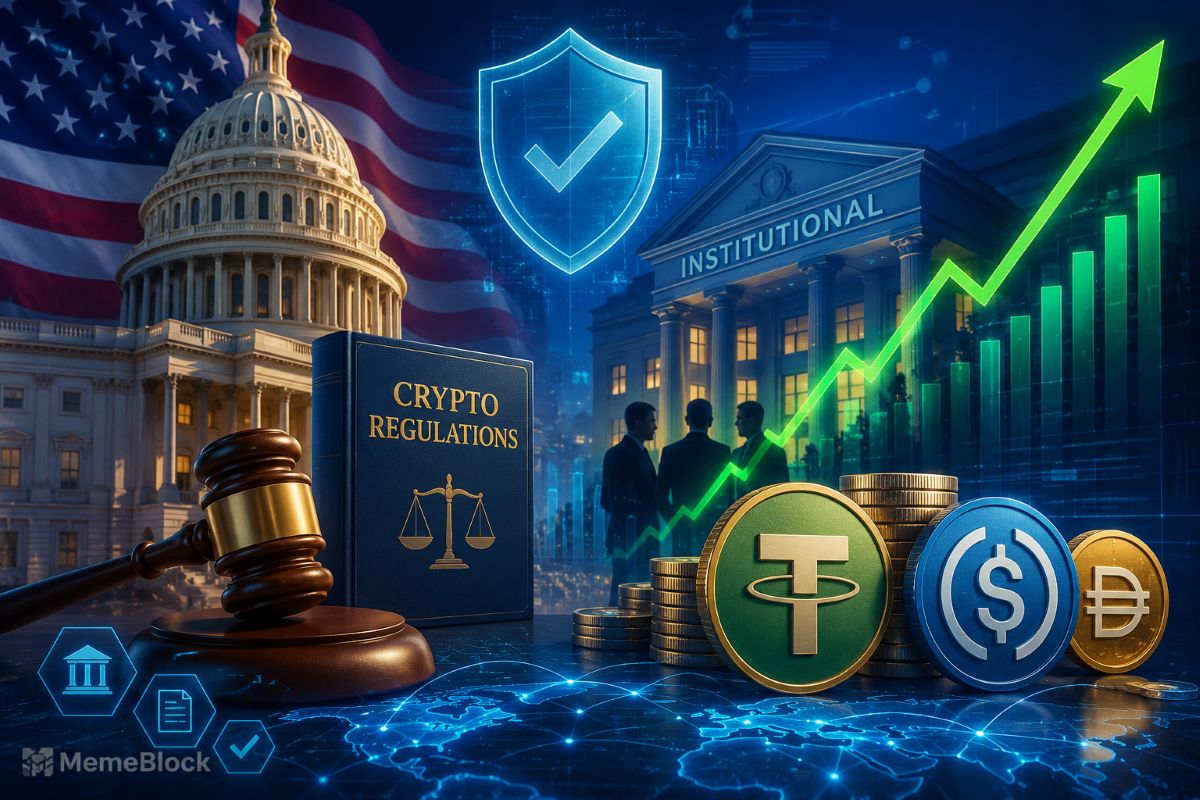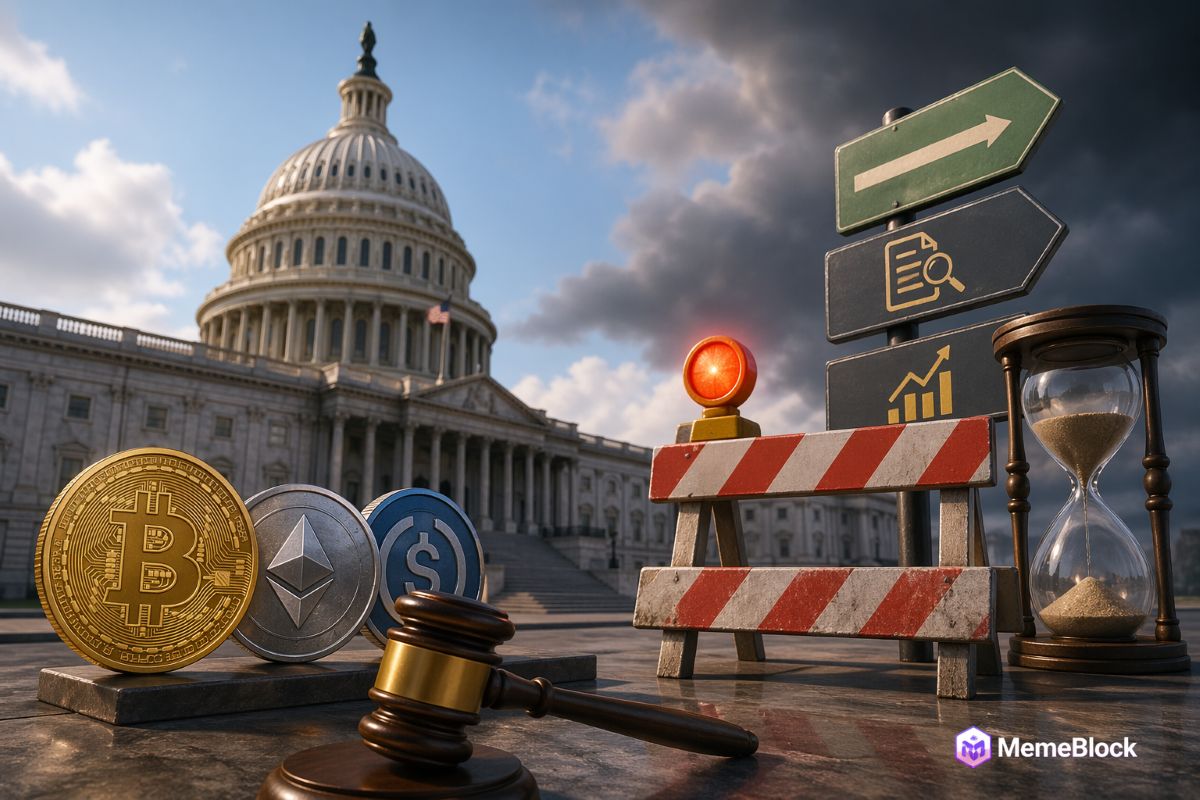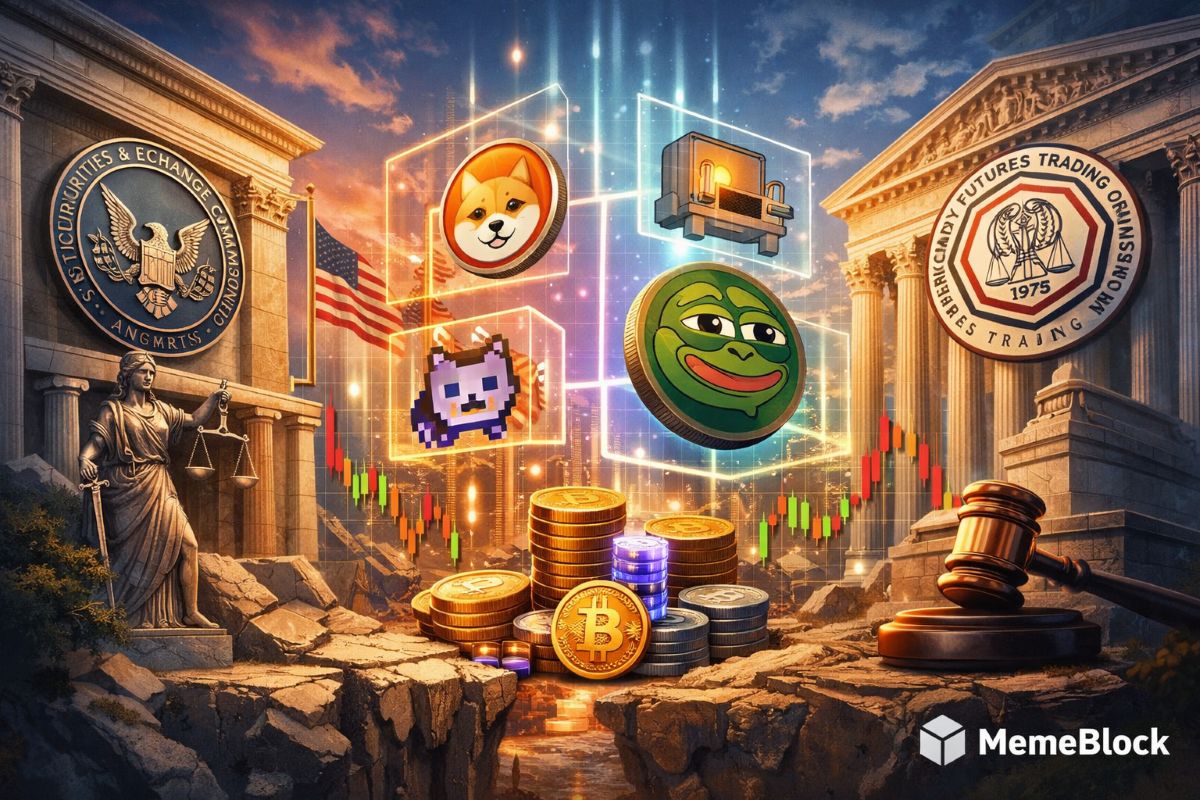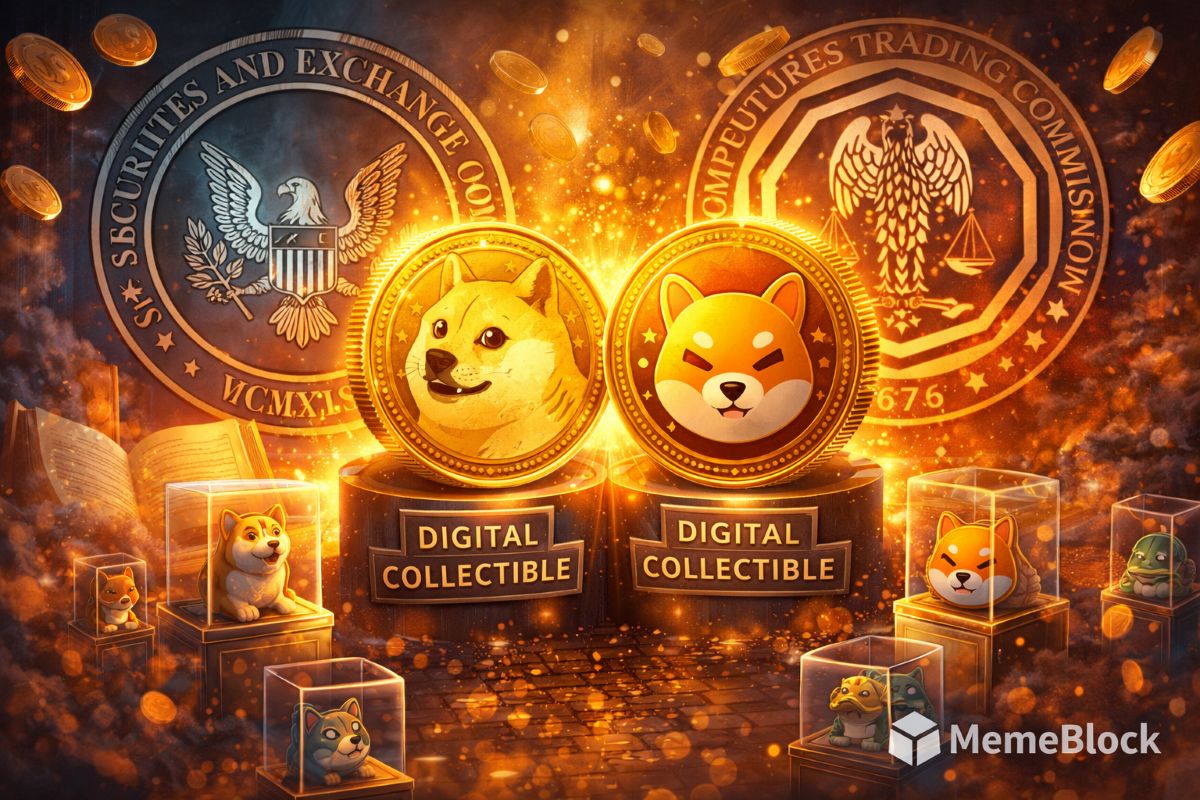
The U.S. crypto market just got a major regulatory shake-up, and memecoins are right at the center of it. In a landmark move, the Securities and Exchange Commission (SEC) and Commodity Futures Trading Commission (CFTC) jointly introduced a five-category crypto taxonomy that officially classifies memecoins as “digital collectibles,” not securities.
This long-awaited guidance is already trending across the crypto space, as investors, developers, and regulators try to decode what it means for the future of meme-based tokens like Dogecoin and Shiba Inu.
What Is the SEC & CFTC 5-Category Crypto Taxonomy?
The new framework divides digital assets into five clear categories:
- Digital commodities
- Digital collectibles
- Digital tools
- Stablecoins
- Digital securities
Only digital securities fall under strict federal securities laws. Everything else, including memecoins, generally sits outside that scope, unless marketed as investment contracts.
This classification is a big deal because it finally gives the crypto industry something it has lacked for years: regulatory clarity.
Memecoins Officially Labelled “Digital Collectibles”
Here’s the headline everyone’s talking about: memecoins are now categorized as digital collectibles.
That means they are treated more like NFTs or cultural assets rather than financial instruments. According to regulators, these tokens typically don’t provide ownership rights, yield, or claims to profits, key requirements for something to qualify as a security.
Memecoins are being recognized for what they really are: community-driven, hype-fuelled digital culture plays.
This aligns with earlier regulatory signals that memecoins are primarily used for entertainment and speculation rather than traditional investing.
Why This Matters for Crypto Investors
For retail traders and degens riding the memecoin wave, this classification changes the game:
1. Reduced Regulatory Pressure
Memecoins won’t face the same compliance burdens as securities, lowering legal risks for creators and exchanges.
2. Easier Market Access
Projects can launch and trade memecoins with fewer regulatory hurdles, potentially fuelling another wave of meme token launches.
3. Continued Volatility
Don’t get it twisted, this doesn’t make memecoins “safe.” Their value still depends heavily on hype, social media trends, and community sentiment.
Industry Reaction: Clarity, But Not Complete Certainty
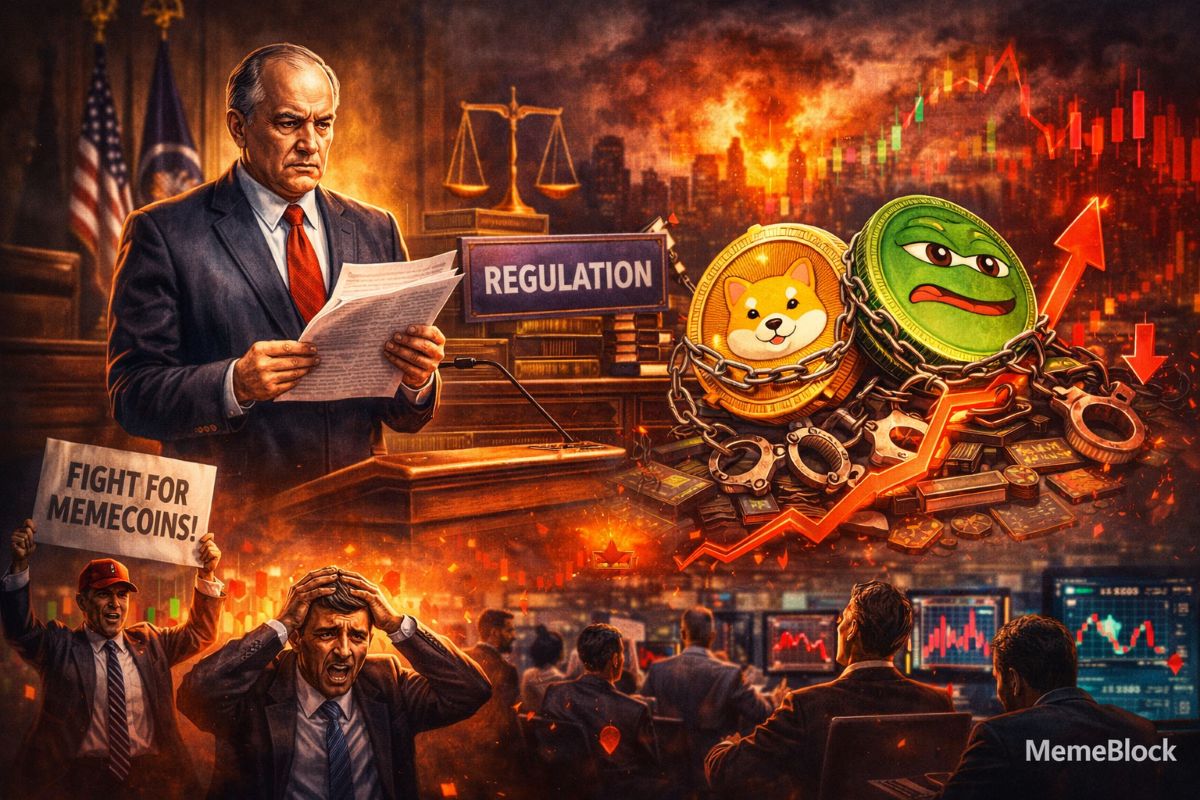
While the move is being called a “watershed moment,” the market reaction has been surprisingly muted. Major crypto prices dipped following the announcement, signalling that investors were expecting stronger legislative backing.
The key issue?
This is guidance, not law.
Without Congressional approval (like the pending FIT21-style legislation), these rules could still evolve or shift with political changes.
The Fine Print: When Memecoins Could Still Be Securities
Here’s where things get interesting and a bit risky.
Even though memecoins are labelled as digital collectibles, regulators made it clear that any crypto asset can become a security if it’s marketed with promises of profit or investment returns.
So if a memecoin project starts acting like a fundraising vehicle or promoting guaranteed gains, it could quickly fall under SEC enforcement.
Bigger Picture: A Turning Point for Crypto Regulation
This new taxonomy represents the first coordinated effort between the SEC and CFTC to define crypto assets under U.S. law.
It also signals a shift toward a more innovation-friendly regulatory environment, especially compared to previous years of aggressive enforcement.
For memecoins, the message is clear:
They’re not going anywhere, and now they finally have a defined place in the financial system.
Final Take: Memecoins Go Legit Sort Of
The classification of memecoins as digital collectibles is a huge milestone for the crypto industry. It legitimizes their role as cultural assets while keeping them outside the strict boundaries of securities law.
But let’s be real, this doesn’t suddenly make memecoins a stable investment. They’re still driven by memes, momentum, and madness. And that’s exactly why people love them.