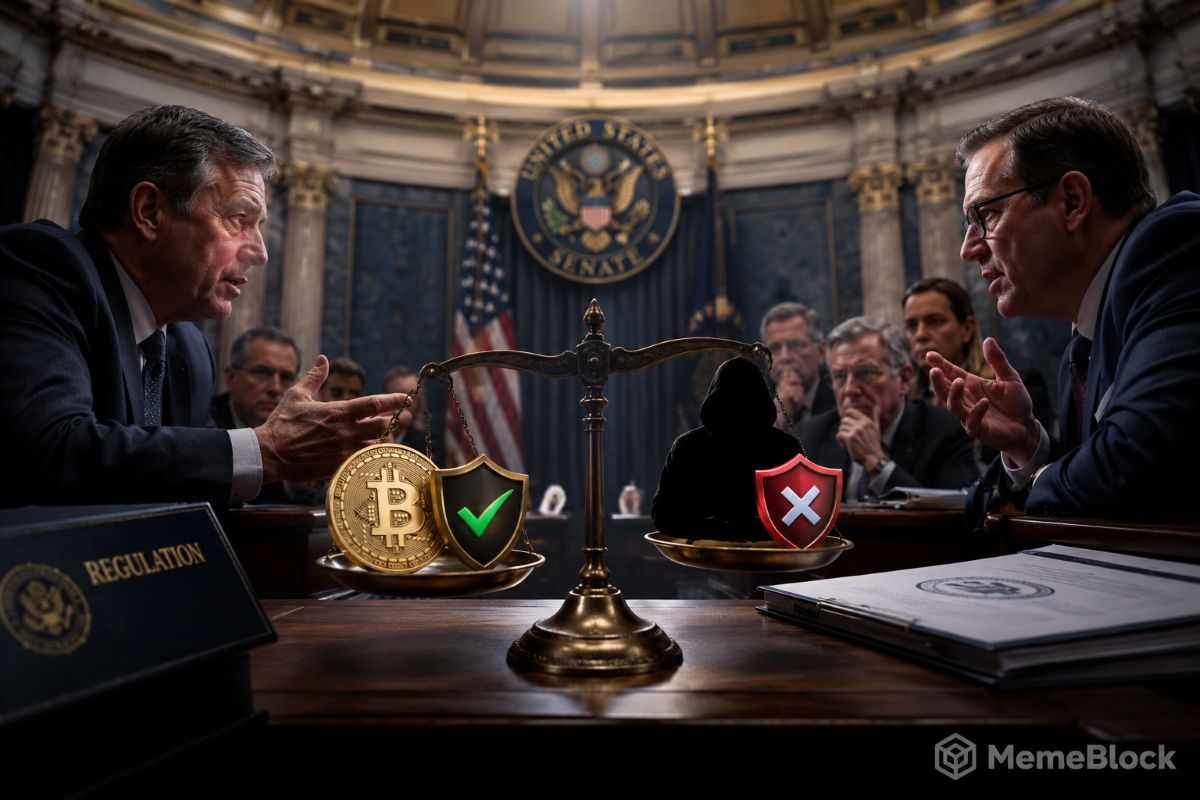
Washington, U.S. markets just got a heads-up: the Securities and Exchange Commission and the Commodity Futures Trading Commission have relaunched and expanded Project Crypto into a joint effort. The effort aims at harmonizing how digital assets, including volatile memecoins, are overseen. The move signals regulators want clearer, faster rules for the meme-token boom. Also, it addresses how those tokens trade across U.S. platforms.
What this means for memecoin regulation in the United States
Project Crypto’s upgrade from an SEC-only initiative to a unified SEC–CFTC program is designed to reduce overlap between agencies and provide straightforward guidance. Specifically, the guidance is on whether particular tokens fall under securities or commodity law, a central question for memecoin projects and exchanges. That clarification could affect token listings, custody practices, and enforcement risk for creators and platforms.
Why regulators care and why founders should too
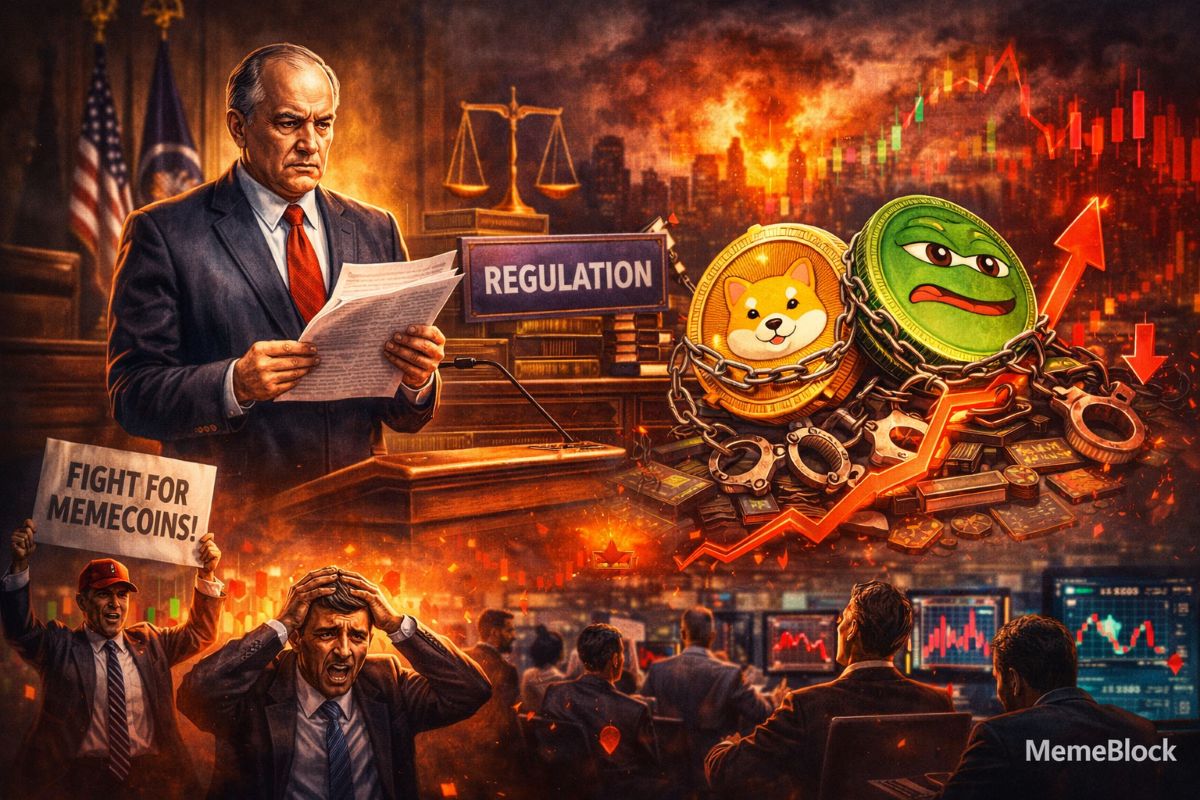
Memecoins routinely pump and dump, rely on social-media hype, and often lack clear economic fundamentals, all of which raise investor-protection flags. The joint initiative makes plain that expect scrutiny on token disclosures, marketing claims, and trading venues that list memecoins without adequate controls. Therefore, founders and exchanges aiming to stay legit should be planning for tighter compliance, earlier disclosures, and better market surveillance.
Enforcement plus market structure: the dual playbook
Officials say Project Crypto will pair enforcement readiness with structural fixes. For example, there will be clearer rules on whether spot crypto trading can be offered on registered futures exchanges and how event-like contracts are treated. That combination means memecoin markets could see both rule changes and faster clampdowns on blatant fraud or wash trading. Expect the agencies to leverage data-driven monitoring and coordinated enforcement actions when red flags appear.
How the industry should respond
- Treat token launches like regulated offerings: document who did what and when.
- Strengthen disclosure: plain-English tokenomics, team credentials, and roadmaps.
- Upgrade market surveillance: deploy tools to detect wash trading and pump schemes.
- Revisit listing policies: platforms should set minimum standards before hosting memecoins.
Political and legal backdrop
The relaunch comes as Congress advances several crypto bills and regulators prep to implement any new statutory framework. Agency leaders framed Project Crypto as readiness work, not a legislative substitute, but an effort to ensure coherent implementation if Congress moves. The initiative also follows prior joint staff work signalling cooperation on exchange structures and token classifications.
Fast clarity, higher standards
For memecoin creators and traders, the takeaway is simple: the regulatory wild west is getting less wild. Project Crypto’s joint SEC–CFTC push means quicker, clearer answers on classification, trading venue rules, and enforcement priorities. Consequently, that will change how memecoins are launched, marketed, and listed in the U.S. If you’re in the memecoin game, now’s the time to clean up compliance and get your disclosures squared away.