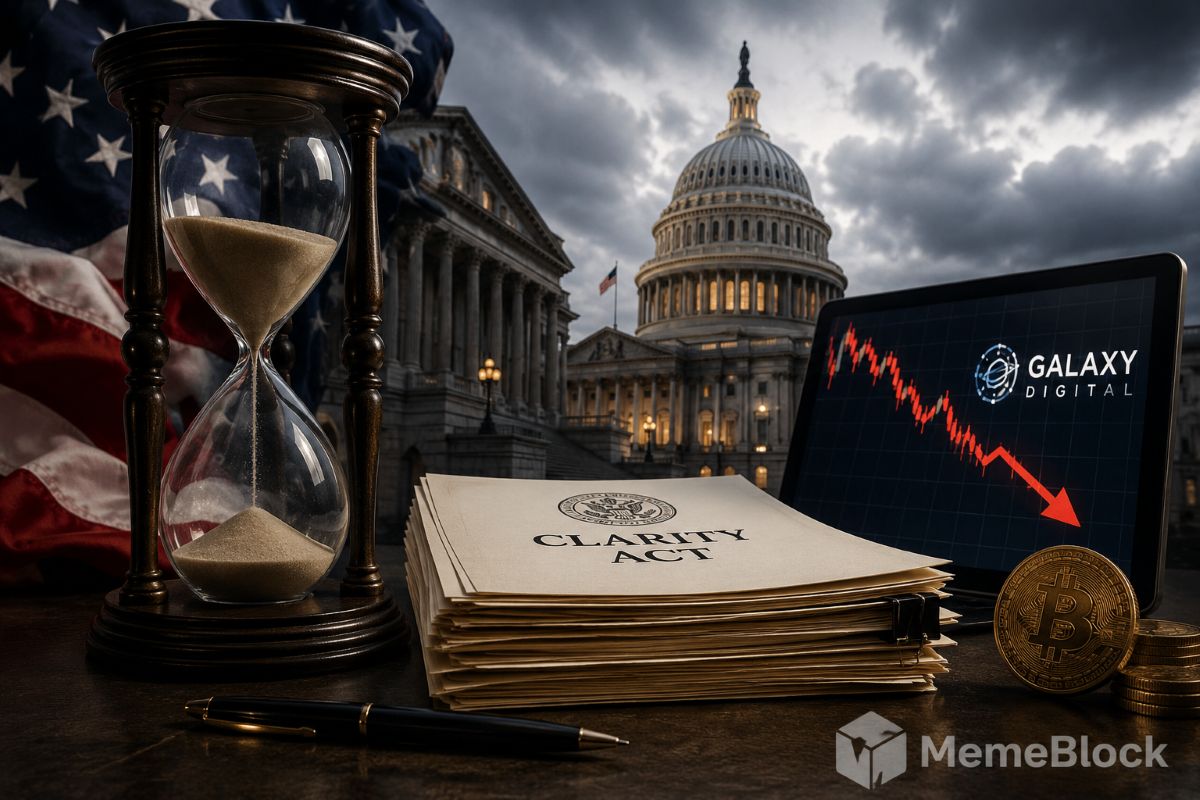
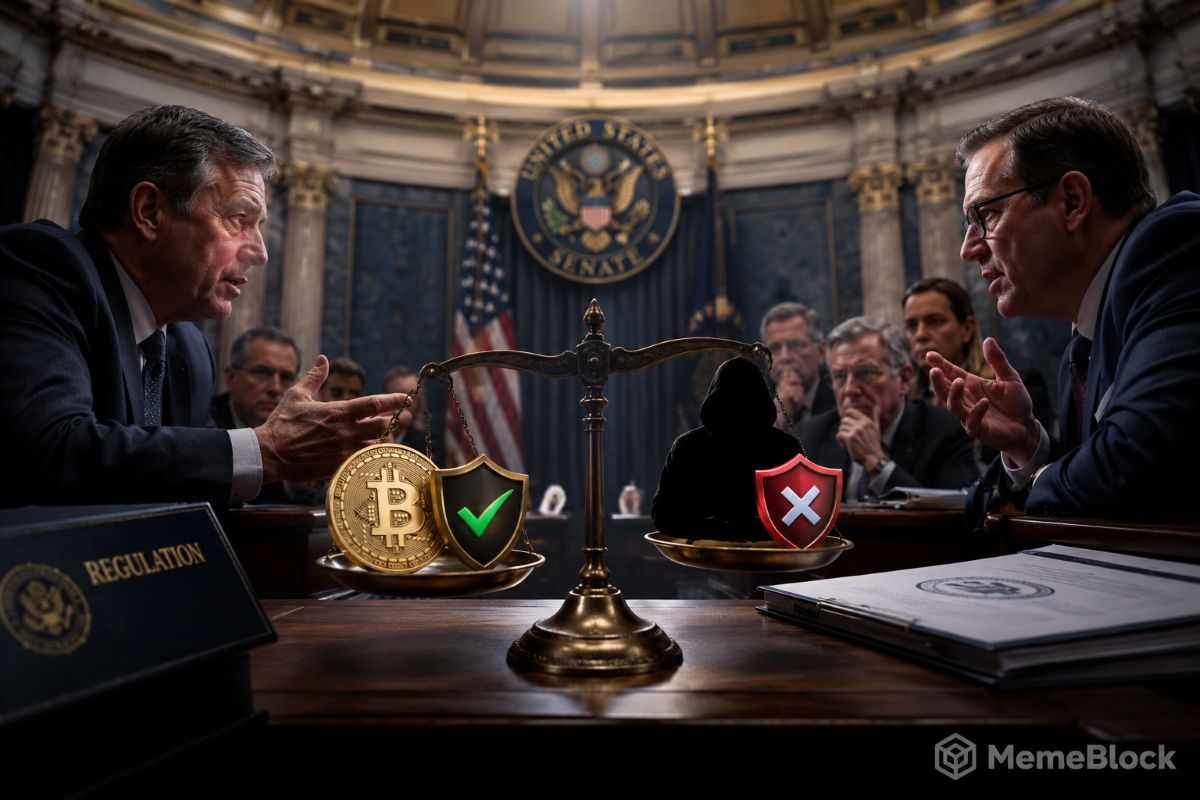
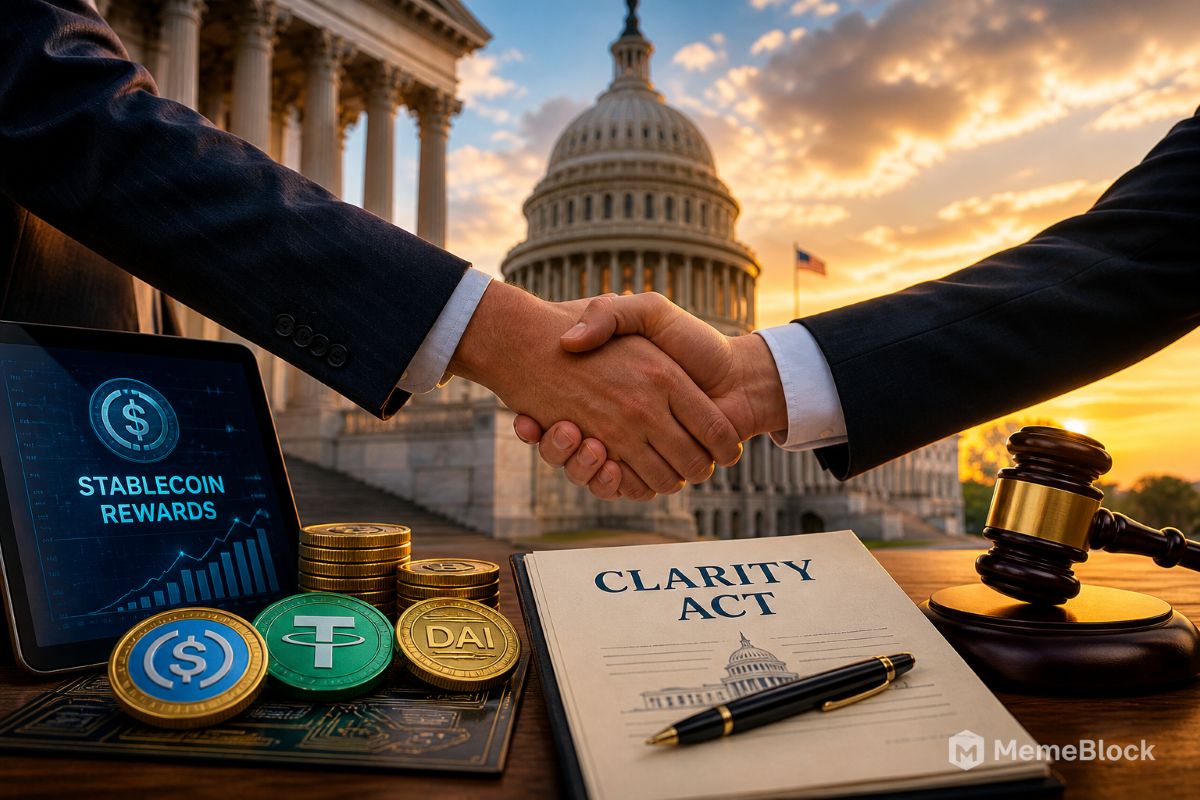
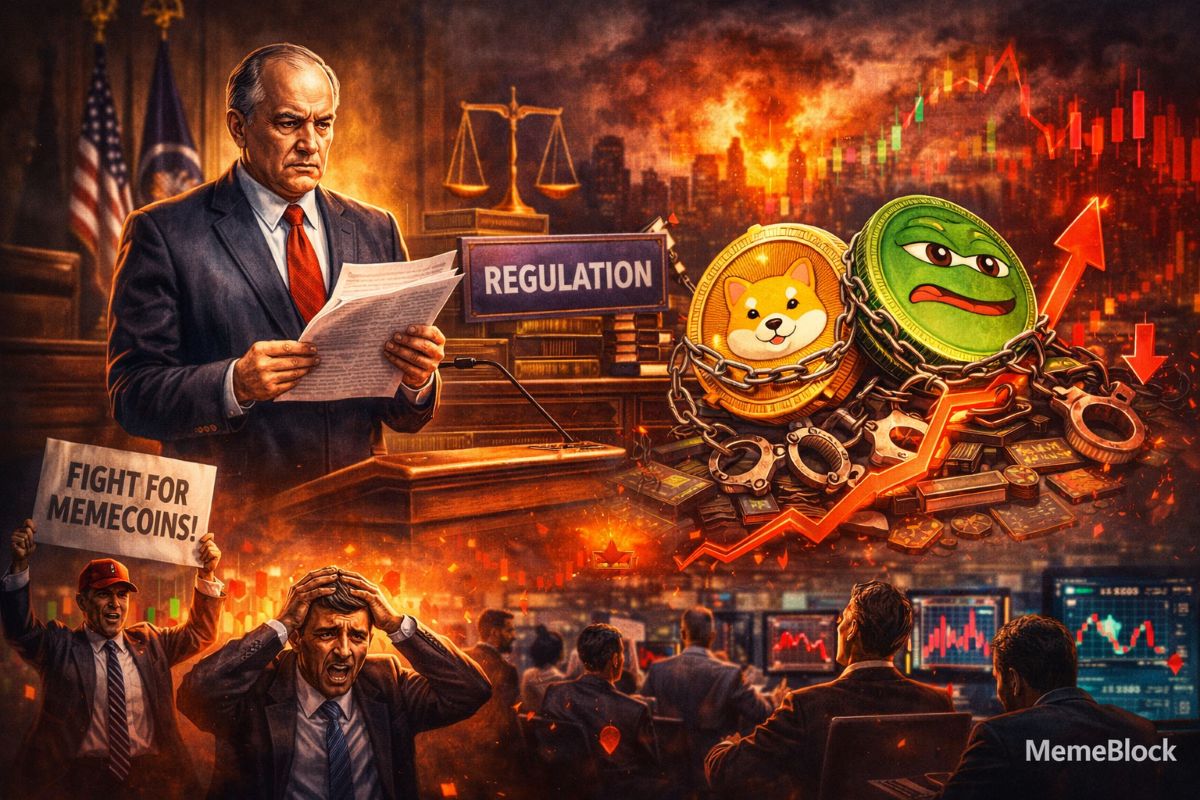
WASHINGTON, D.C., The Clarity Act, once touted as the keystone of U.S. digital asset legislation, has hit a political and industry backlash that’s rippling through memecoin markets and PolitiFi-style crypto platforms. What was supposed to usher in an era of clear crypto regulation is now stalled amid fierce opposition from major exchanges, lawmakers, banking lobbyists, and political controversies. Here’s what investors, developers, and observers need to know in this fast-breaking story that’s reshaping memecoin regulation news, crypto market rules, and PolitiFi governance debates.
Legislative Breakdown: What the Clarity Act Intended
The Clarity Act is a major legislative package in the U.S. Congress aimed at establishing a comprehensive regulatory framework for digital assets. It seeks to define the roles of the Securities and Exchange Commission (SEC) and the Commodity Futures Trading Commission (CFTC) in policing crypto markets, clarify definitions around cryptocurrencies, and solidify legal treatment for tokens, including stablecoins and decentralized finance (DeFi) products.
The bill’s backers argued that a clear, standardized regulatory regime would reduce uncertainty, encourage institutional participation, and bring investor protections to an industry long plagued by legal ambiguity. But its latest legislative journey reveals deep fractures.
Major Industry Backlash: Coinbase Pulls Support
In a dramatic turn, Coinbase, the largest regulated crypto exchange in the United States, withdrew support for the Clarity Act in mid-January 2026, citing major objections to key provisions of the current draft.
CEO Brian Armstrong argued that certain language in the bill effectively bans yield-bearing stablecoin products, restricts tokenized equities, expands SEC authority at the expense of decentralized finance innovation, and could compromise user privacy by broadening government access to transaction data.
This high-profile exit caused the Senate Banking Committee to postpone a scheduled markup session, leaving the bill in legislative limbo and sparking broader criticism from market participants who fear that over-regulation could stifle crypto innovation.
Political Controversies Compound Regulatory Chaos
Just as industry opposition peaked, a new political controversy emerged that threatens to further derail the bill. Recent reporting revealed a UAE investment tie to President Trump’s family crypto firm, World Liberty Financial, which issues the USD1 stablecoin, an asset that would fall under the Clarity Act’s regulatory umbrella if passed.
Critics, including Senator Elizabeth Warren, have labelled this situation a “clear conflict of interest” and are calling for ethics provisions to be added to the legislation. Meanwhile, Republican leaders have resisted deeper probes, intensifying partisan tensions around crypto rulemaking.
This political backdrop not only fuels broader skepticism about regulatory motives but also gives ammunition to opponents who view the bill as vulnerable to political manipulation far from the stable, clear regime it promised.
Impact on Crypto and Memecoin Markets
The fallout is already visible in the markets. Crypto prices, including major memecoins, have reacted nervously to the legislative stalemate, with volatility increasing as traders grapple with policy uncertainty. Memecoins tokens driven largely by community sentiment and speculative trading are particularly sensitive to shifts in regulatory tone, exacerbating price swings and liquidity concerns.
PolitiFi projects politically themed or governance-linked tokens that blend memecoin culture with civic engagement mechanisms, are facing heightened scrutiny as politicians and regulators grapple with how to categorize and govern these hybrid assets. Without legislative clarity, these tokens linger in a regulatory gray zone where enforcement actions, state-level crackdowns, or abrupt rule changes could dramatically alter valuations.
What’s Next for the Clarity Act?
Despite the backlash, the debate is far from over. Proponents, including SEC Chair Paul Atkins, have urged Congress to finalize a clear legal framework, warning that continued uncertainty will drive innovation offshore and harm U.S. competitiveness.
Lawmakers are now tasked with reconciling competing interests from stablecoin yield debates and DeFi innovation concerns to ethics clauses and market supervision priorities. If a compromise isn’t reached before key legislative deadlines, the Clarity Act could face indefinite delays, leaving the U.S. crypto regulatory landscape fragmented and unpredictable.
Conclusion
The Clarity Act backlash underscores the complex intersection of crypto regulation, politics, and memecoin markets. With major industry players pulling back, political controversies emerging, and markets reacting, the landscape for digital asset governance in the U.S. is more uncertain than ever. For investors, developers, and crypto communities, staying informed on legislative shifts and regulatory debates will be crucial as this story develops.