House Democrats are accusing the U.S. Securities and Exchange Commission of engaging in what they describe as a “pay-to-play” approach after the agency appeared to retreat from several high-profile crypto enforcement actions. The allegations surfaced in a sharply worded letter sent to SEC Chair Paul S. Atkins, raising fresh concerns about memecoin regulation and the agency’s independence.
According to the lawmakers, the timing of paused and dismissed cases, particularly those involving politically connected figures, creates the appearance that enforcement decisions may be influenced by money and access rather than investor protection.
Justin Sun Case Becomes Political Flashpoint
At the center of the controversy is crypto entrepreneur Justin Sun, whose long-running legal standoff with the SEC was reportedly put on hold. House Democrats pointed to large financial transactions tied to Trump-aligned crypto ventures that allegedly occurred before the enforcement pause.
In their letter, lawmakers said the sequence of events raises “serious concerns” about whether financial contributions or political proximity played a role in the SEC’s decision-making. While no wrongdoing has been proven, they argue the optics alone damage confidence in fair and consistent crypto enforcement.
Democrats Demand Transparency From SEC Leadership
The letter was led by senior Democratic figures, including Maxine Waters, along with Representatives Sean Casten and Brad Sherman. The group requested detailed explanations and internal communications related to enforcement reversals, including why some cases were slowed or dropped altogether.
Lawmakers also asked whether the SEC coordinated with political actors or considered donor relationships when reassessing enforcement priorities a claim the agency has not substantiated but now must formally address.
What This Means for Memecoin Regulation
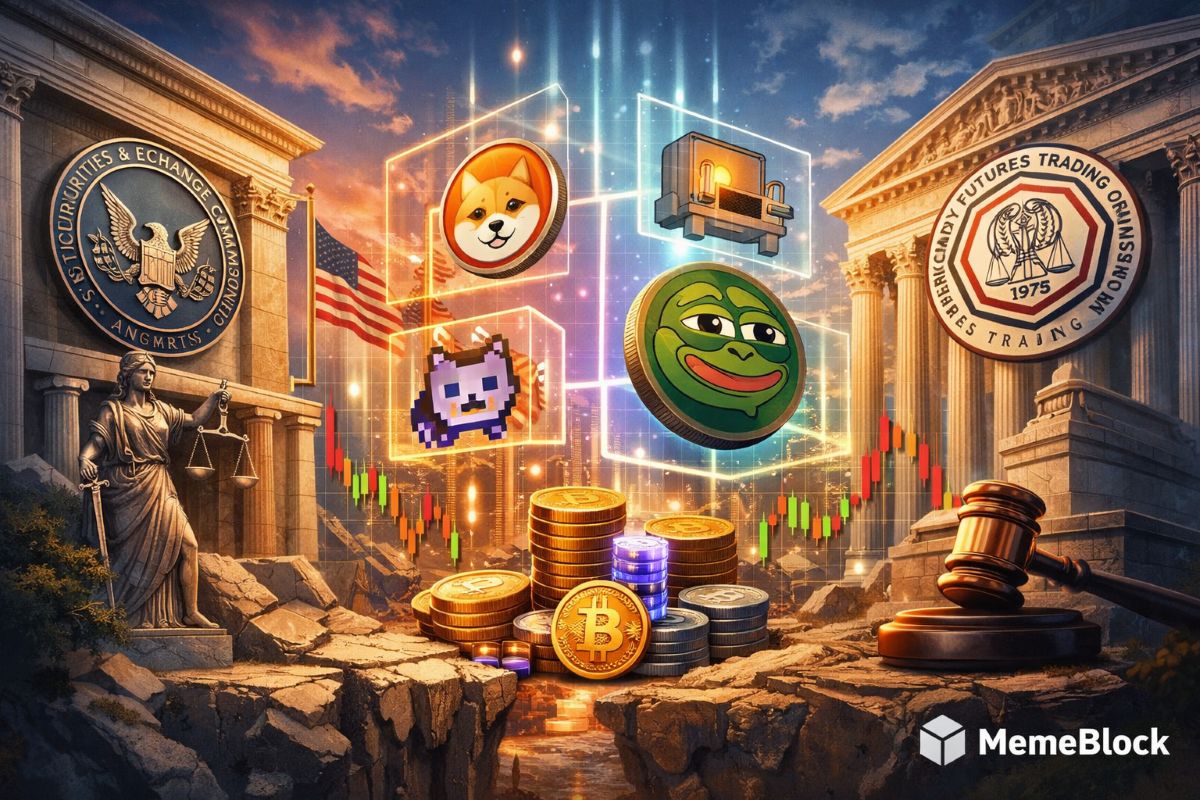
For the memecoin market, the stakes are high. Memecoins, often driven by social media hype rather than fundamentals, already sit in a regulatory gray area. Critics argue that inconsistent enforcement creates room for manipulation while leaving retail investors exposed to sudden losses.
If the SEC is seen as selectively enforcing rules, lawmakers warn it could encourage bad actors to test boundaries, assuming penalties can be avoided through influence rather than compliance. That risk, they say, undermines trust not only in memecoins but in the broader crypto market.
SEC Pushes Back on Political Narrative
SEC officials have publicly denied any political motivation behind enforcement decisions, describing recent actions as part of a broader strategic recalibration. The agency maintains that it remains committed to investor protection while avoiding overly aggressive actions that could stifle innovation.
Still, legal analysts note that the enforcement pullback has coincided with the post-election transition period a timing overlap that has fueled skepticism among critics on Capitol Hill.
Congress May Step In If Trust Erodes
Experts say that if doubts about the SEC’s independence persist, Congress could respond with stricter, more explicit crypto legislation. That could include clearer statutory definitions for memecoins, disclosure rules, or even limits on agency discretion.
Such a move would mark a major shift from the SEC’s traditional enforcement-led approach and could reshape how memecoins are launched, marketed, and traded in the United States.
What Investors Should Watch Next
The next key milestone is the SEC’s formal response to the House Democrats’ letter. Depending on its contents, congressional committees could escalate the matter with hearings or subpoenas. Any involvement from the Department of Justice would further intensify scrutiny.
For now, investors and developers should expect continued regulatory volatility. Until clearer rules emerge, memecoin regulation in the U.S. remains shaped as much by politics as by policy, a reality markets will be watching closely.