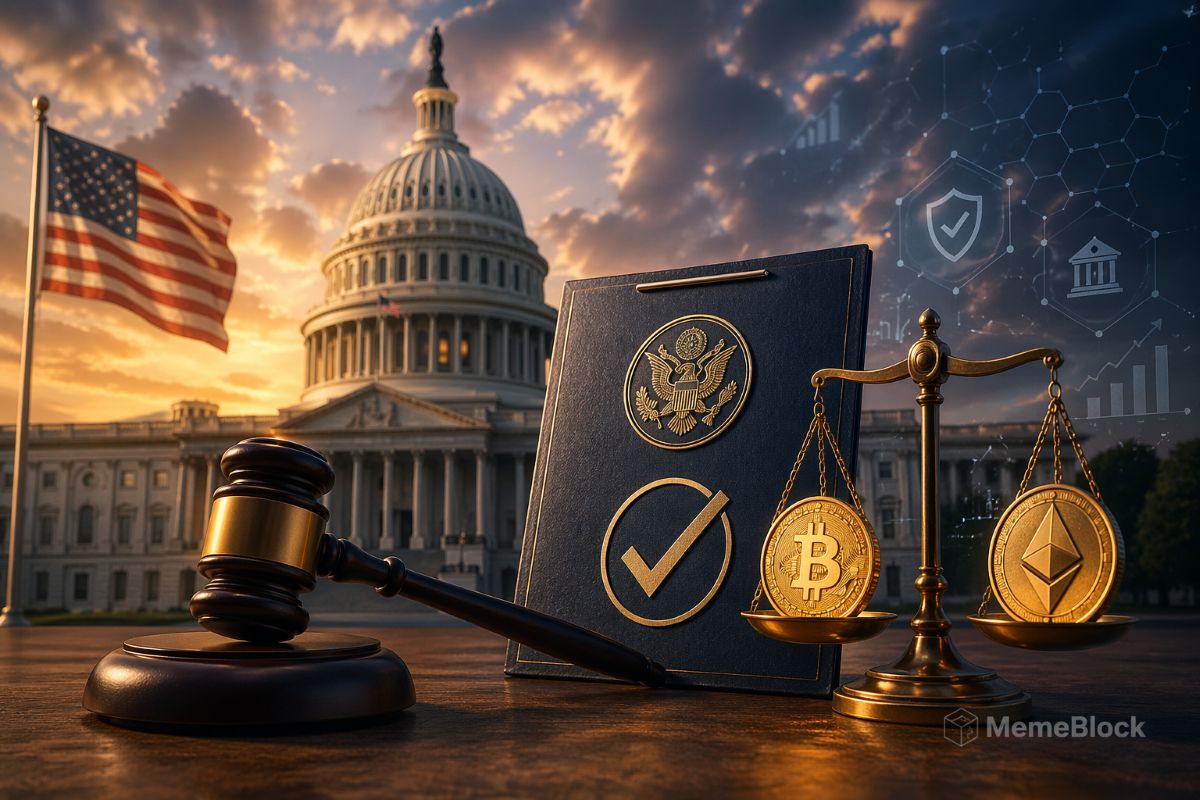
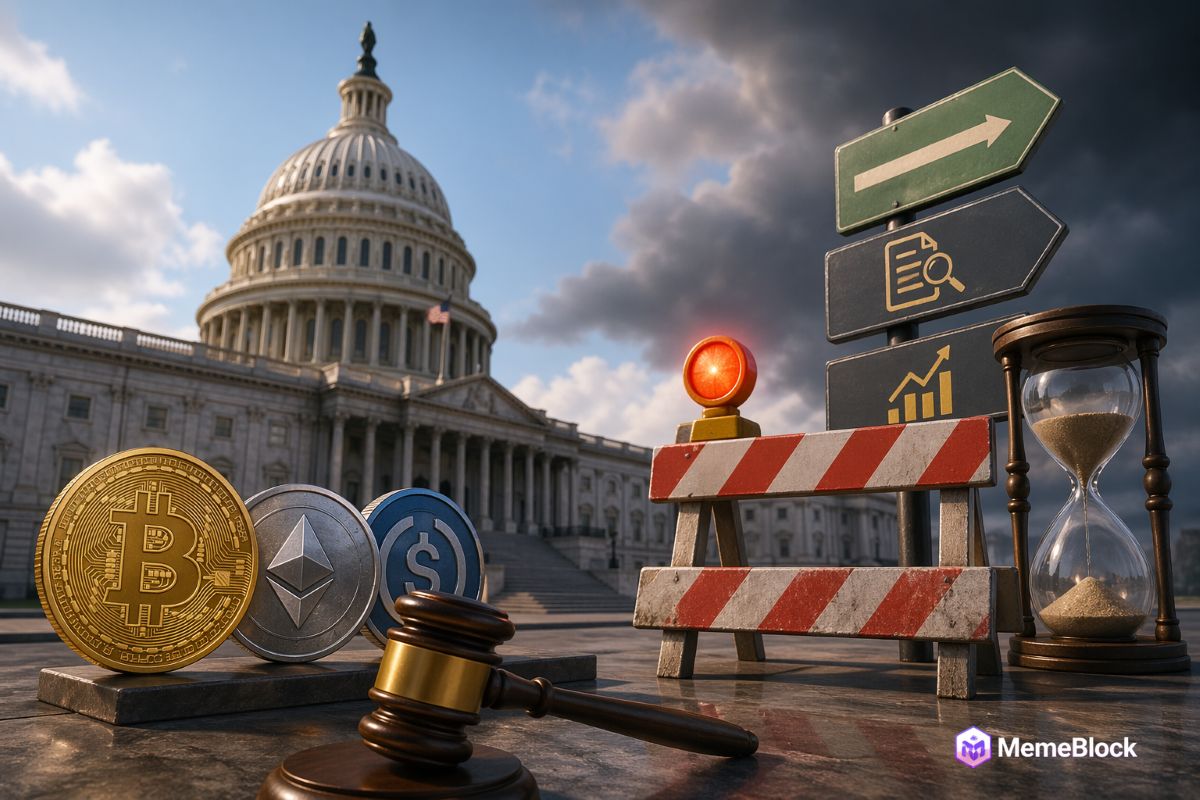
The U.S. Senate is rapidly advancing a landmark crypto-market-structure bill, with key committees signalling the legislation is 90% complete and targeting a formal markup in December. Inside the draft is a controversial provision: optional identity-verification rules for participants in decentralised finance (DeFi) protocols.
What the bill covers
- The draft consolidates earlier legislation, including the Digital Asset Market Clarity Act of 2025 and the Responsible Financial Innovation Act of 2025, aiming to define regulatory ‘digital commodities’, clarify jurisdiction between the Securities and Exchange Commission (SEC) and the Commodity Futures Trading Commission (CFTC), and create registration regimes for intermediaries.
- A key emerging element: optional DeFi identity-verification (ID-verification) rules for certain protocol participants. While full details are still under negotiation, the draft contemplates requiring DeFi platform users and developers to either verify identity or accept certain regulatory burdens.
- Senate committee chairs say the bill will be marked up in early December with the aim of passing the chamber in late 2025.
Why is this significant
- Regulatory clarity: Crypto markets have long operated in a regulatory grey zone. The bill promises a structured framework that assigns roles (CFTC vs SEC), defines token types and sets registration/licensing requirements.
- DeFi tension: The optional ID-verification component has surfaced as a flashpoint. It recognises the unique nature of decentralised finance while trying to balance regulatory goals of transparency, investor protection and AML/CFT controls.
- Industry impact: Crypto firms, intermediaries and token developers are watching closely. A final bill could reshape market-infrastructure models, compliance costs, capital formation and innovation incentives.
- Political timing: With Congress eager to address digital-asset regulation and a compressed end-of-year legislative calendar, the timetable forces rapid negotiation and may limit amendments.
What to watch
- Markup Schedule: If committees stay on track, a draft will move through markup the first week of December; delays or shutdowns may push it into 2026.
- DeFi ID-Verification Language: The exact wording of the optional ID-check provision will be pivotal, including how optional, for whom, and what triggers apply.
- Jurisdiction Clarification: Whether the SEC and CFTC share or split oversight—and how digital-asset definitions are framed—will determine outcomes for platforms, tokens and investors.
- Industry feedback: Comment letters from exchanges, DeFi protocols, fintech firms and consumer groups may influence final language.
- Passage and Amendments: If the bill clears the Senate, the next question will be how the House responds and whether significant amendments are introduced.
FAQs
Q1: What is the “market structure bill” referring to?
A1: It refers to upcoming U.S. legislation aimed at regulating digital-asset markets, defining digital commodities, setting registration rules for intermediaries and establishing oversight for crypto platforms. Drafts include the Digital Asset Market Clarity Act and the Responsible Financial Innovation Act.
Q2: What does “90% complete” mean in this context?
A2: It means Senate committee leaders believe most language and negotiation have been finalised, with only details (such as DeFi ID-verification, definitions and transitional rules) remaining ahead of the markup session.
Q3: What is “optional DeFi ID-verification”?
A3: The bill proposes a mechanism where certain DeFi platform users or developers might have to verify identity before participation, but the “optional” phrasing suggests platforms may choose to operate with alternative compliance pathways. The final scope is still under negotiation.
Q4: When will the bill be marked up?
A4: Senate committees are aiming for early December 2025 for markup, a procedural vote in committee before moving to full floor consideration.
Q5: What’s the impact on crypto firms and projects?
A5: Crypto firms (exchanges, token issuers, DeFi protocols) may face new registration, disclosure, custody and verification rules; developers of DeFi protocols may be subject to optional ID-verification or reporting obligations. The legislation could alter compliance costs and market access.
Q6: Could this bill become law in 2025?
A6: It’s possible but not guaranteed. The timetable is ambitious; passage depends on committee approval, floor votes, and alignment between Senate and House versions. Delays or disagreements could push final enactment into 2026.