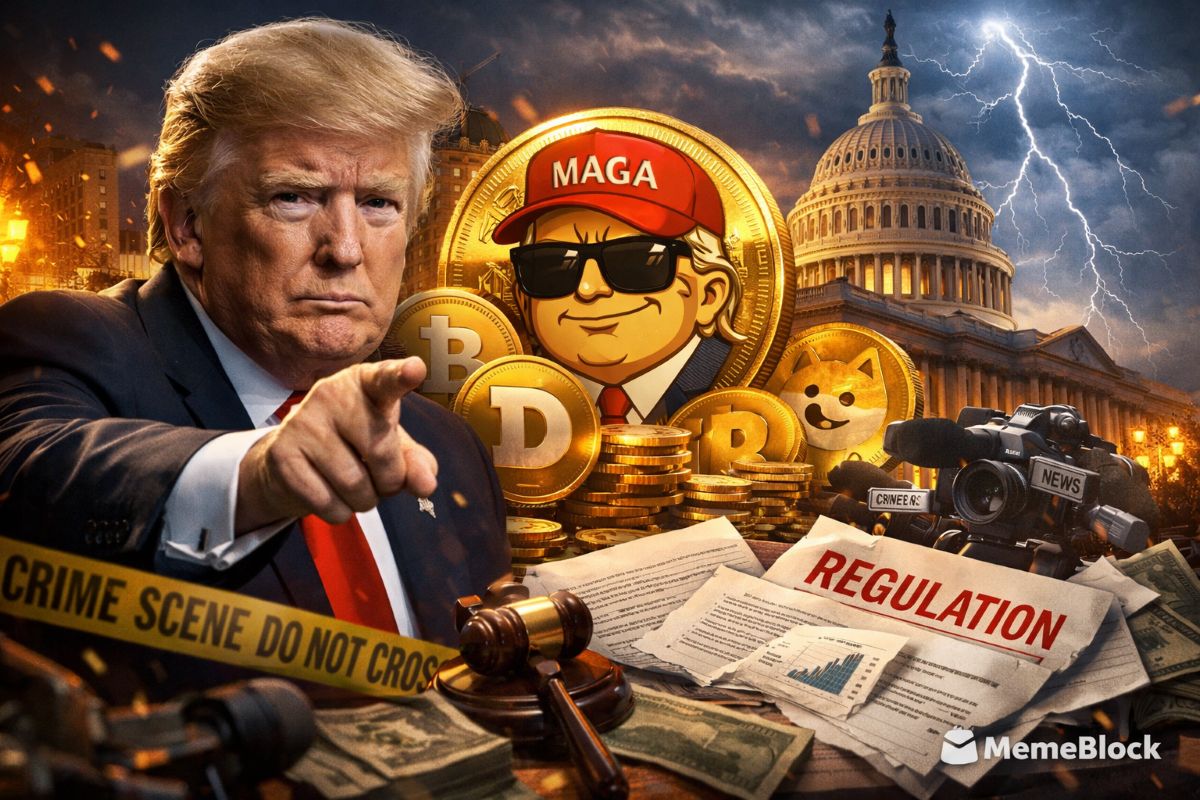
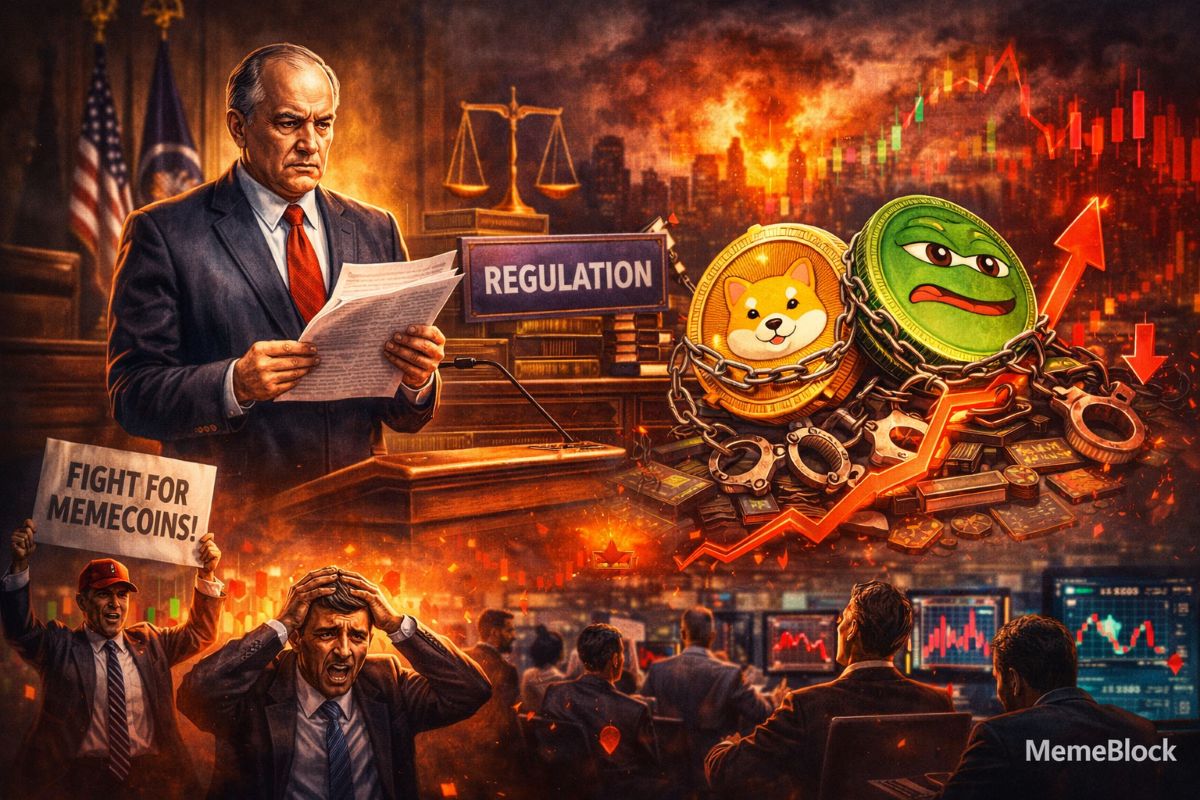
The latest report from the House Financial Services Committee, released on December 1, 2025, alleges that regulators under the Joe Biden administration systematically used “debanking” tactics to squeeze at least 30 crypto firms and individuals out of the U.S. banking system. The report claims this effort, dubbed Operation Choke Point 2.0, relied heavily on so-called “pause letters,” regulatory pressure, and interpretive guidance rather than transparent or rule-based prohibitions.
What Is Operation Choke Point 2.0?
Originally, the term Operation Choke Point referred to a 2013 federal initiative targeting legal, but politically disfavored, industries like payday lending and gun sales, pressuring banks to end their relationships with such businesses.
The 2.0 version (from around 2021 to 2024) repurposed that model, this time targeting the digital-asset sector. Regulatory agencies, including the Federal Deposit Insurance Corporation (FDIC) and other prudential regulators, reportedly issued “pause letters” and supervisory warnings to banks. These communications discouraged banks from providing services to crypto-related companies, thereby forcing many to shut operations or lay off staff.
The Impact: Who Got Hit?
According to the House report, at least 30 crypto-related entities and individuals lost banking access from 2022–2024. Some of the firms mentioned include major names such as Coinbase, Marathon Digital Holdings, Uniswap, Ripple, Gemini, and Anchorage Digital. Anchorage reportedly laid off 20% of its workforce after banking relationships were severed.
The report alleges that regulators used non-rulemaking tools, such as internal supervisory guidance, regulatory letters, and non-objection requirements, to create an environment where banks found it “impracticable” to continue serving crypto clients.
Why It Matters: The Case Against Regulatory Overreach
Supporters of the report argue that Operation Choke Point 2.0 represented regulatory overreach, using informal pressure rather than transparent, consistent laws or regulations. The outcome: legitimate businesses being denied basic banking services, stifling innovation, and hindering financial inclusion.
At hearings held in early 2025, crypto-industry representatives testified that banks had their accounts closed or services cut off not because of firm-specific wrongdoing, but merely due to their association with digital assets. Critics warn this sets a dangerous precedent, where regulators can cripple entire sectors without due process, based only on risk perception or political attitudes.
What’s Changed and What’s Next
Since the report’s release, the landscape appears to be shifting. The new administration under Donald Trump has reportedly reversed several Biden-era crypto-related policies, including scrapping the controversial accounting guidance (SAB 121) that had made banks wary of handling crypto assets, and moving to eliminate “reputational risk” from bank supervision.
Proponents hope this marks a turning point: renewed clarity for banks, restored access for crypto firms, and a more stable regulatory environment, assuming Congress codifies clearer rules rather than leaving it to opaque supervisory discretion.
FAQs
Q: What is Operation Choke Point 2.0?
A: It refers to a regulatory campaign, primarily under the Biden administration between 2021–2024, in which U.S. regulators allegedly pressured banks to sever ties with cryptocurrency companies.
Q: How many crypto firms were affected?
A: According to the 2025 House report, at least 30 crypto entities and individuals lost banking access due to “pause letters” and regulatory pressure.
Q: Were high-profile firms impacted, too?
A: Yes. Firms such as Coinbase, Uniswap, Ripple, Gemini, Marathon Digital Holdings, and Anchorage Digital are among those named in the report.
Q: Is Operation Choke Point 2.0 still active?
A: Under the current administration, many of the prior restrictive policies, including accounting and supervisory guidance, have been reversed. However, lasting change may depend on new legislation.
Q: What does this mean for the future of crypto in the U.S.?
A: If regulatory clarity continues and banking access is restored, the crypto industry might recover momentum. But much depends on ongoing oversight and whether transparent rules replace past informal pressure.