The U.S. crypto regulatory landscape is entering a critical phase as the proposed CLARITY Act faces mounting scrutiny amid controversy surrounding Donald Trump’s memecoin activities. Additionally, the intersection of politics, digital assets, and ethics is reshaping how lawmakers approach oversight of the rapidly evolving memecoin sector.
CLARITY Act: A Defining Moment for Crypto Regulation
The CLARITY Act has been positioned as one of the most comprehensive efforts to regulate digital assets in the United States. The bill seeks to clearly divide oversight between financial regulators like the Securities and Exchange Commission (SEC) and the Commodity Futures Trading Commission (CFTC). It aims to create a structured framework for cryptocurrencies and blockchain-based assets.
Lawmakers and industry leaders have long argued that such clarity is essential for innovation and institutional adoption. However, the bill has already faced delays due to disagreements between banks, crypto firms, and policymakers over issues like stablecoin yields and token classifications.
Now, a fresh controversy tied to political memecoins is complicating negotiations even further.
Trump Memecoin Controversy Sparks Ethics Concerns
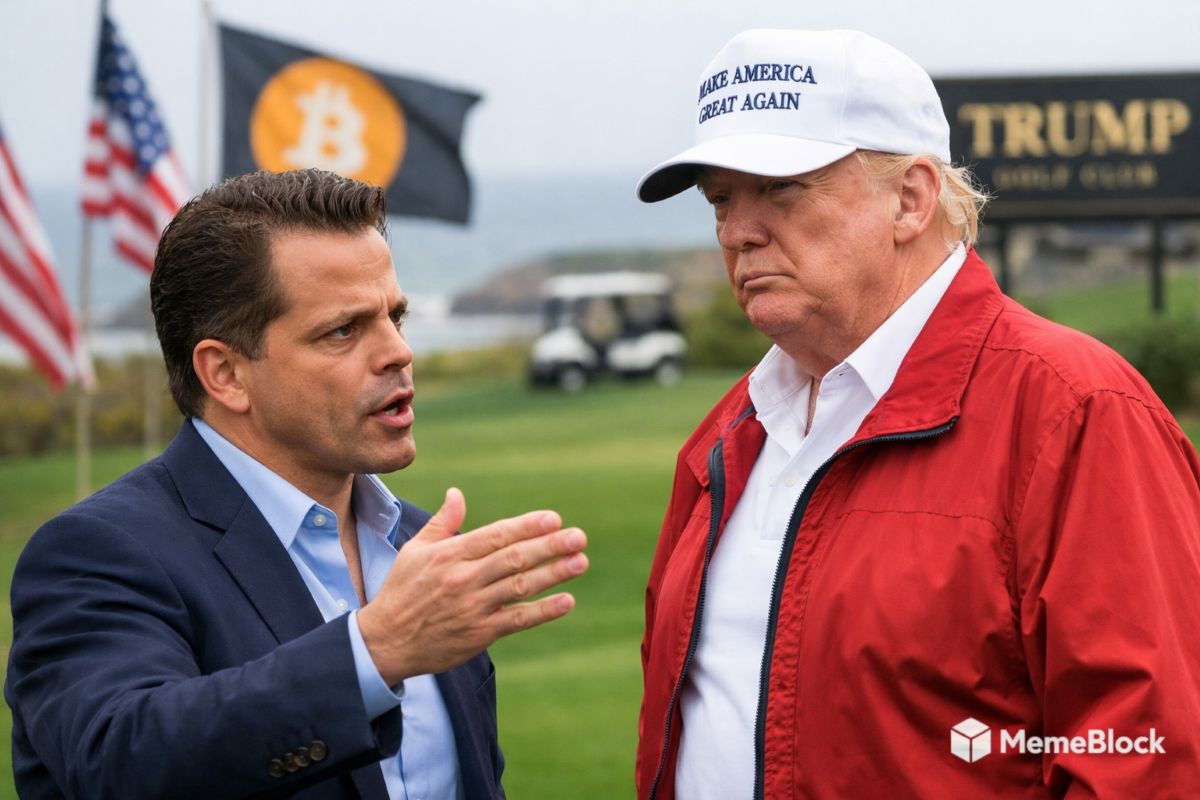
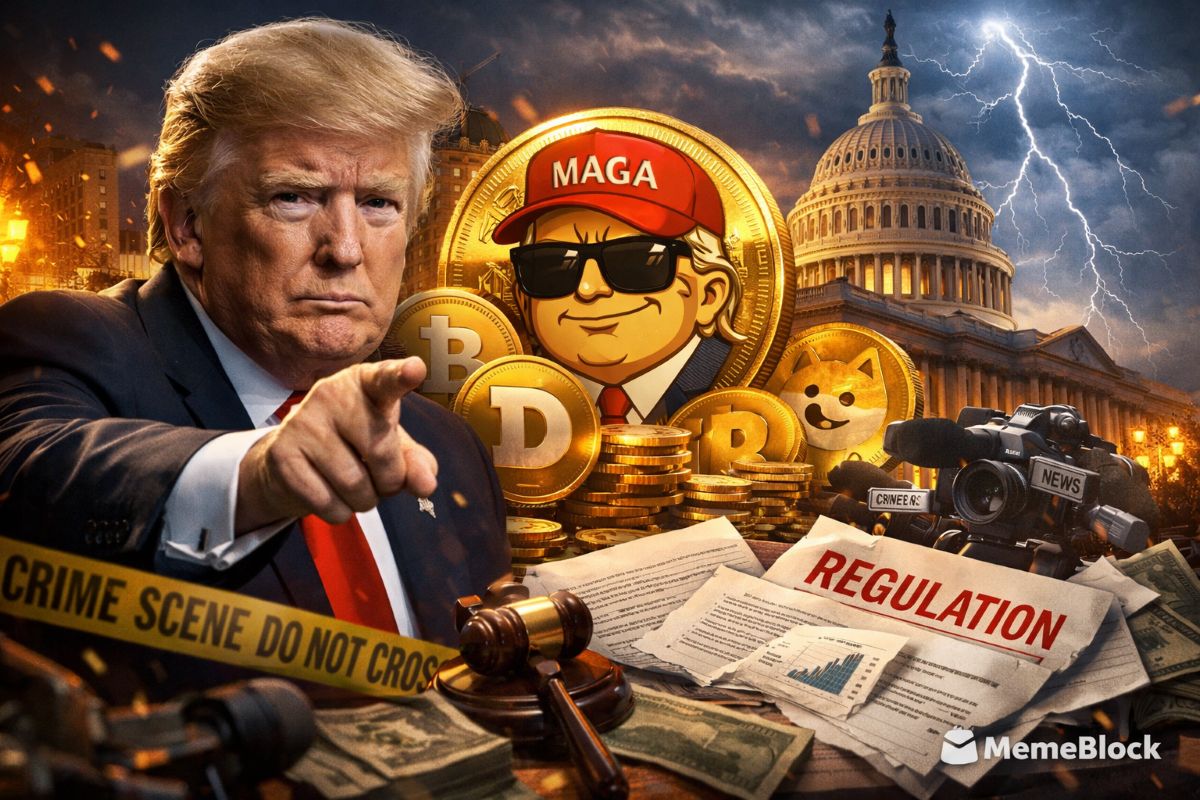
At the center of the debate is the $TRUMP memecoin, a politically themed digital token linked to Trump’s broader crypto ecosystem. Critics argue that the coin raises serious ethical questions, particularly around conflicts of interest and the potential for personal financial gain while influencing public policy.
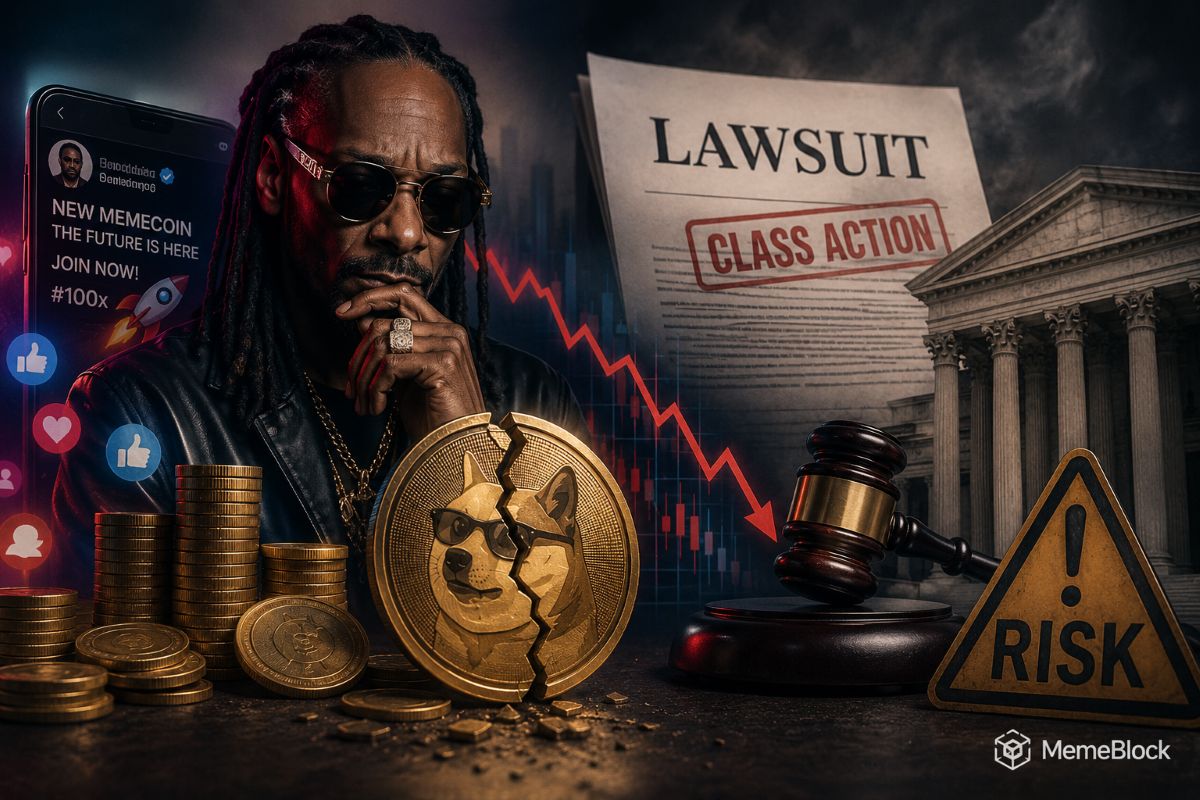
Reports indicate that Trump’s crypto ventures, including memecoins and affiliated projects, have generated significant profits while exposing retail investors to substantial losses. Analyses suggest that hundreds of thousands of wallets collectively lost billions. Meanwhile, insiders benefited from trading fees and early positioning.
The controversy has intensified scrutiny from lawmakers who fear that political figures issuing or promoting memecoins could undermine market integrity.
Political Pressure Mounts on Lawmakers
The memecoin scandal has injected new urgency into the CLARITY Act debate. As a result, some legislators are now pushing for stricter provisions that would limit or outright ban elected officials from issuing or endorsing digital assets.
Proposed measures, such as restrictions on political involvement in crypto markets, reflect growing bipartisan concern over the blending of governance and financial speculation. At the same time, others warn that overregulation could stifle innovation and drive blockchain development offshore.
This divide has made the legislative path forward increasingly uncertain.
Market Structure vs. Ethical Accountability
The CLARITY Act was originally designed to address market structure, defining whether tokens are securities or commodities and ensuring proper oversight. However, the Trump memecoin controversy has shifted attention toward ethical accountability.
Experts argue that without clear rules governing political participation in crypto markets, regulatory frameworks may fail to address systemic risks. The rise of celebrity and politically driven tokens has highlighted vulnerabilities, including price manipulation, insider trading, and speculative bubbles.
In this context, memecoins are no longer just a fringe phenomenon they are becoming central to regulatory discussions.
Industry Reaction and Future Outlook
The crypto industry remains divided. While many firms support the CLARITY Act for providing long-awaited regulatory certainty, others worry that additional political restrictions could complicate compliance and innovation.
Meanwhile, Trump himself has publicly pushed for faster passage of crypto legislation, emphasizing the need for the U.S. to lead in digital finance.
Yet, the irony is hard to ignore: the same political influence accelerating crypto adoption is also fuelling controversy that could reshape the regulatory framework.
Conclusion: A Turning Point for Memecoin Regulation
The CLARITY Act now stands at a crossroads. What began as a technical effort to define crypto market structure has evolved into a broader debate about ethics, governance, and the role of political power in decentralized finance.
As scrutiny of Trump’s memecoin activities grows, lawmakers face a difficult balancing act in crafting regulations that protect investors without stifling innovation. Ultimately, the outcome of this debate could set a global precedent for how memecoins and politically linked digital assets are regulated in the years ahead.