The European Union’s Markets in Crypto-Assets (MiCA) framework is entering full implementation in 2026, but regulators are encountering what many industry insiders call a “DeFi wall.” While MiCA has established a unified regulatory framework for centralized crypto services and token issuers, decentralized finance and memecoins remain a Gray area that complicates enforcement and compliance.
The situation is increasingly relevant for memecoin developers and investors as decentralized tokens dominate speculative crypto markets. Analysts warn that EU MiCA DeFi regulatory gaps may shape the future of memecoin regulation worldwide.
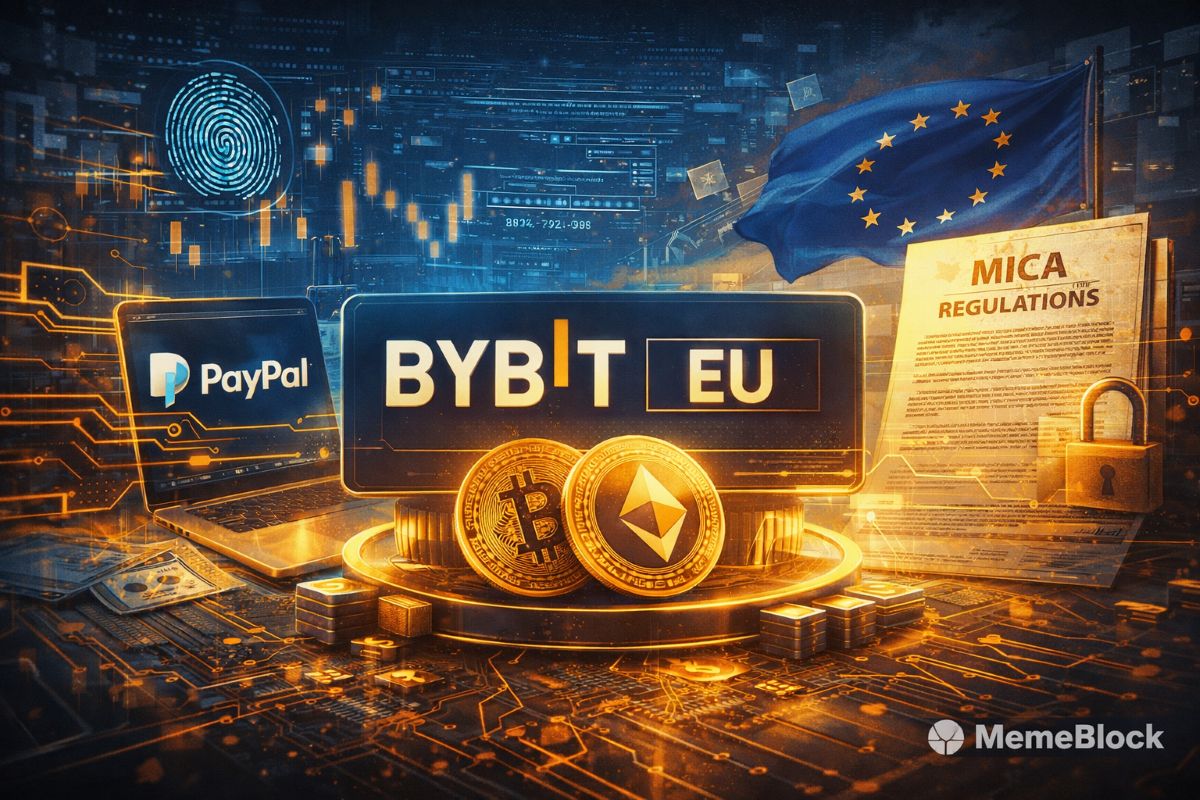
MiCA Brings Unified Crypto Regulation Across Europe
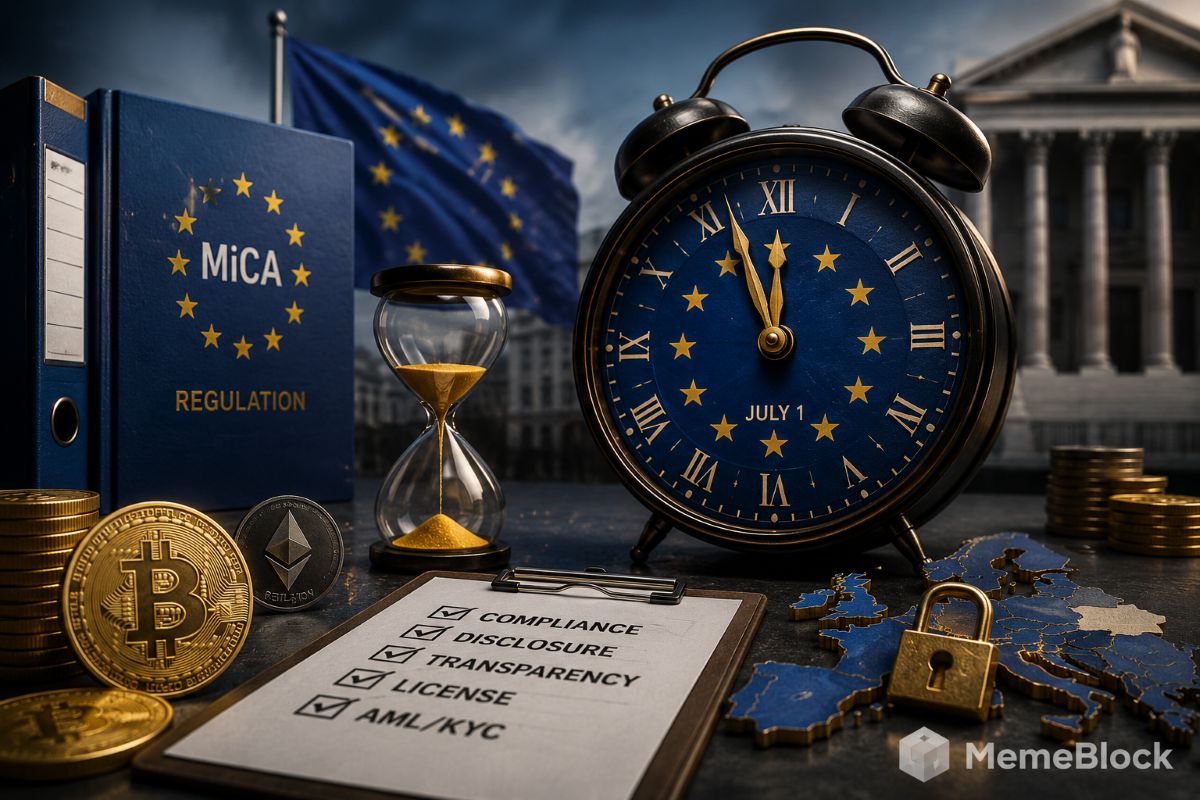
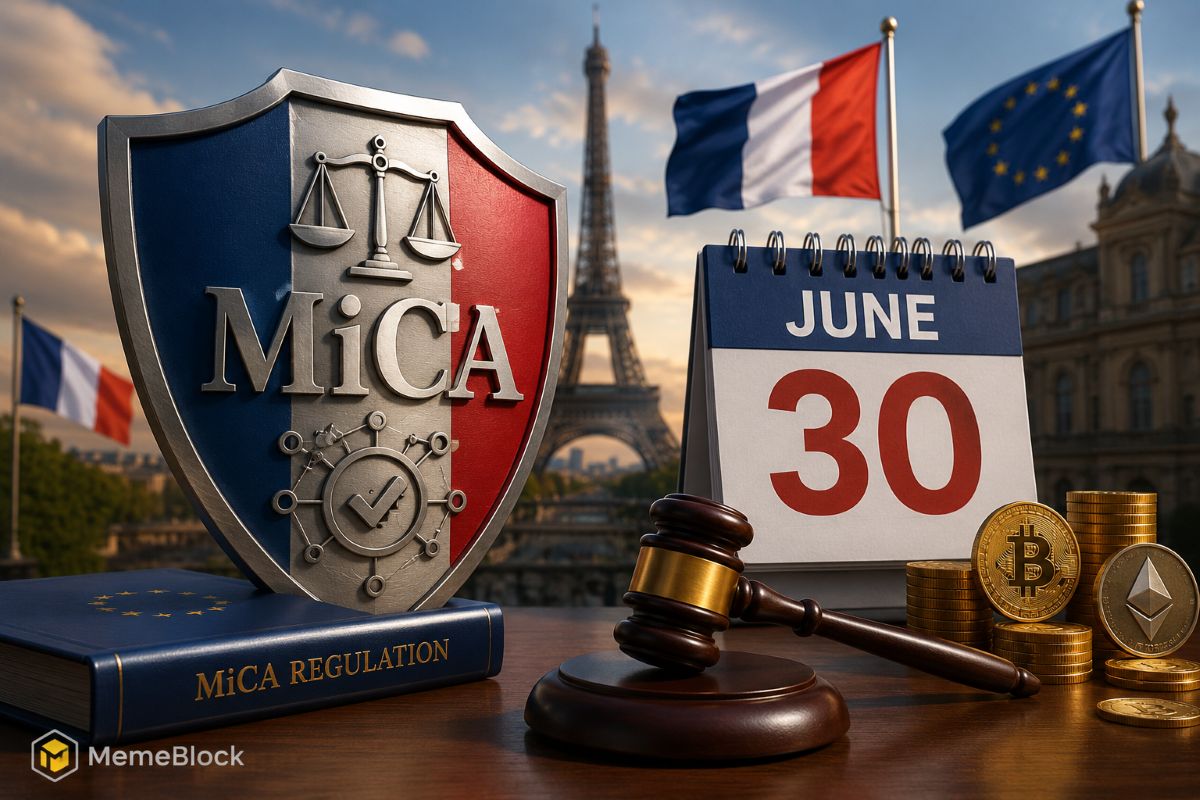
MiCA represents the world’s first comprehensive crypto regulatory framework, introducing uniform rules for crypto issuers, exchanges, and service providers across all EU member states.
The regulation requires crypto projects to publish whitepapers, meet disclosure standards, and obtain authorization before offering tokens to European investors.
Phased implementation began in 2024 and continues through 2026, with licensing requirements now applying to exchanges, custodians, and token issuers operating within the EU.
This framework has improved investor protection and market transparency, positioning Europe as a global leader in crypto compliance.
However, the rise of decentralized finance is exposing limitations in the regulatory design.
The “DeFi Wall” Slowing MiCA Implementation
MiCA was primarily written to regulate centralized entities with identifiable operators. Fully decentralized protocols often fall outside their scope.
Under the regulation, crypto services provided “in a fully decentralised manner without any intermediary” are not covered, leaving large portions of DeFi unregulated.
Legal experts say this structural limitation is creating a major implementation challenge. EU member states are struggling because MiCA “was not drafted with DeFi in mind,” making enforcement inconsistent.
This regulatory gap is now widely referred to as the MiCA DeFi wall, highlighting the difficulty regulators face when attempting to supervise decentralized protocols.
Memecoin Regulation Faces Unique Challenges
Memecoins represent one of the biggest problem areas within MiCA’s implementation.
Many memecoins launch through decentralized platforms without formal legal entities, making compliance with EU authorization requirements difficult. These projects often lack identifiable issuers or formal governance structures.
Because MiCA regulates entities rather than protocols, fully decentralized memecoins may avoid direct oversight, at least temporarily.
This has triggered debate about how EU MiCA affects memecoins and DeFi tokens, particularly those launched through decentralized exchanges and liquidity pools.
Industry observers warn that memecoin developers could relocate outside the EU to avoid compliance burdens, potentially weakening Europe’s influence over emerging crypto sectors.
Regulatory Uncertainty Continues Into 2026
Despite the challenges, MiCA remains a major milestone for global crypto regulation.
The EU framework harmonizes rules across 27 countries, eliminating fragmented national regulations and creating a single crypto market.
However, regulators are already discussing future updates aimed at DeFi and decentralized tokens.
Legal analysts expect additional guidance addressing:
- Decentralized exchanges
- DAO governance structures
- Memecoin token issuance
- Self-custody wallets
- On-chain liquidity protocols
These areas represent the next frontier for EU crypto regulation.
Why MiCA’s DeFi Wall Matters For Memecoin Investors
The EU MiCA DeFi regulatory challenge could define the next phase of memecoin growth.
If decentralized tokens remain outside MiCA’s core framework, memecoin innovation could accelerate in loosely regulated environments. At the same time, future regulatory expansion could bring sudden compliance requirements.
For investors, the MiCA DeFi wall creates both opportunity and risk:
- Faster memecoin innovation
- Regulatory uncertainty
- Possible future restrictions
- Increased market volatility
As 2026 unfolds, MiCA’s collision with decentralized finance may become one of the most important developments shaping the global memecoin market.
The EU’s experience is already influencing policymakers worldwide, meaning the outcome of MiCA’s DeFi challenges could set the standard for future memecoin regulation.