The U.S. Securities and Exchange Commission is weighing a potential regulatory “safe harbor” framework aimed at giving early-stage crypto and meme coin developers more room to build before facing full federal securities obligations, according to remarks and discussion circulating among agency officials and market participants.
The idea, long debated in policy circles, would temporarily exempt qualifying token projects from certain registration requirements while mandating baseline disclosures, anti-fraud protections, and a path toward decentralization.
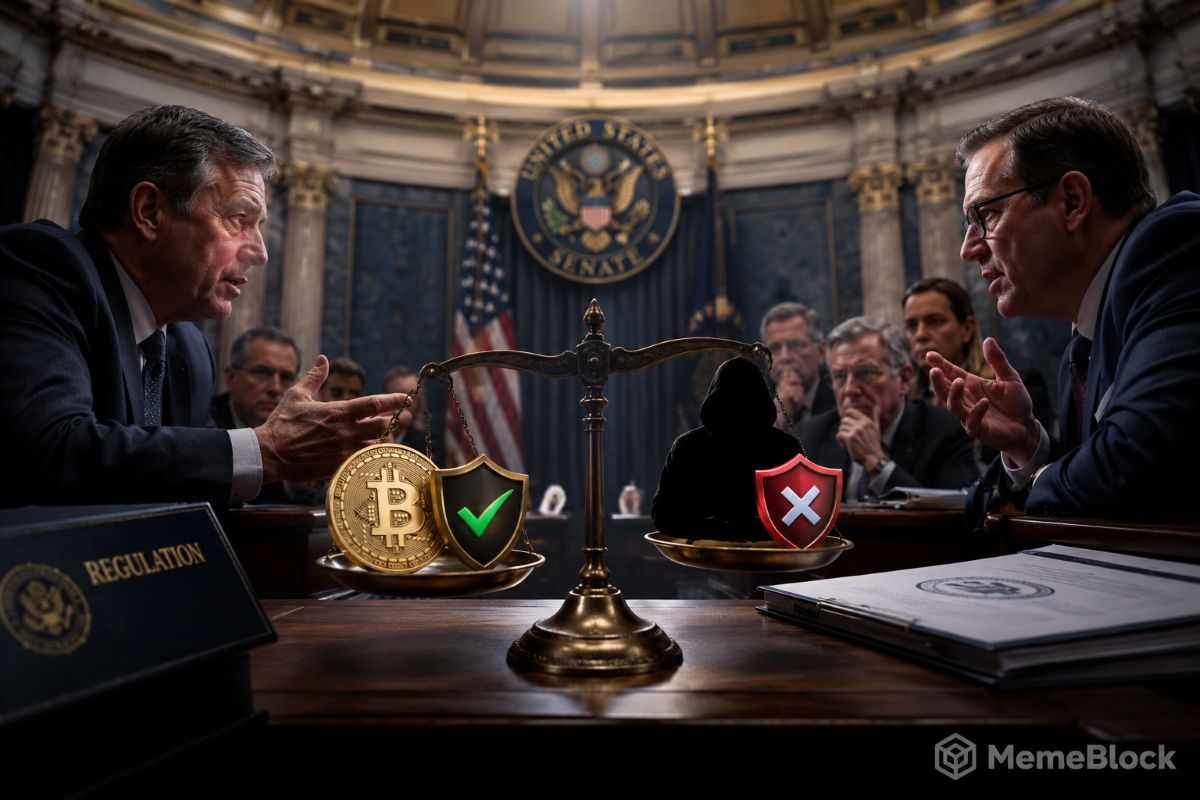
If advanced, the proposal could mark one of the most concrete attempts yet to balance investor protection with innovation in one of crypto’s fastest-moving corners.
What the SEC Safe Harbor for Meme Coins Could Mean
Under conversations described by lawyers following the agency, a safe harbor would likely function as a time-limited grace period. Projects would be expected to publicly share information about their teams, tokenomics, governance plans, and development roadmaps while they work toward sufficient network maturity.
The concept isn’t brand new. Former SEC leadership previously explored similar ideas for utility tokens, but nothing was formally adopted.
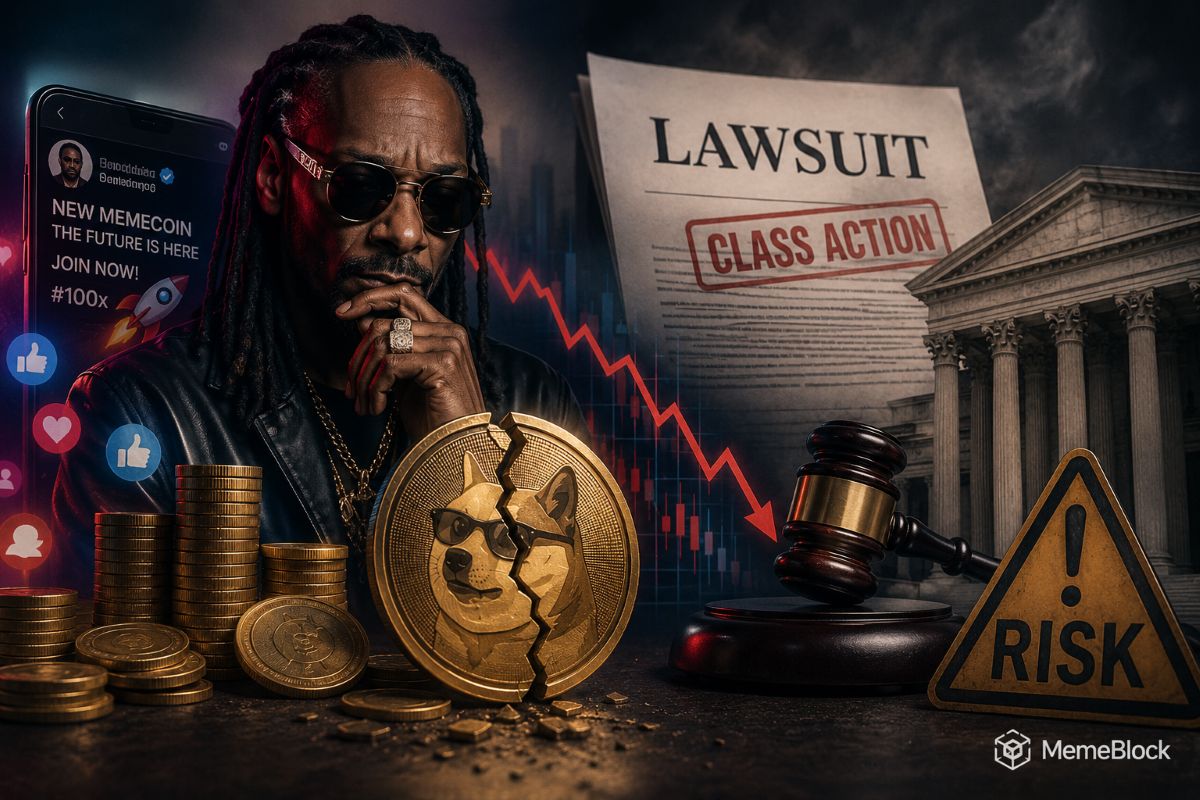
What’s different now is the explosion of retail activity in meme coins, assets that often launch with minimal documentation, viral marketing, and intense volatility.
Pressure After Years of Enforcement-First Crypto Oversight
The SEC has spent much of the past several years leaning on enforcement actions, arguing that many tokens meet the definition of an investment contract.
Industry participants, meanwhile, have pushed back, saying regulation by lawsuit leaves founders guessing and pushes innovation offshore.
A structured safe harbor could offer a middle lane: projects get breathing room, regulators get transparency, and investors receive standardized information instead of hype threads and anonymous promises.
One securities attorney described the shift as regulators recognizing that meme culture moves at internet speed while rulemaking traditionally crawls.
Guardrails Likely to Accompany Any Exemption
Don’t mistake “safe harbor” for a free pass.
People familiar with policy discussions expect strict conditions, potentially including identity disclosures for core contributors, regular progress updates, and explicit risk statements warning buyers about speculation and possible loss.
Anti-fraud authority would remain untouched, meaning misleading claims or market manipulation could still trigger action.
Market Reaction: Builders Cautiously Optimistic
Founders, venture investors, and exchanges are watching closely. Some say even a narrow pilot program could unlock more domestic experimentation and reduce fear among legitimate teams.
Others worry the criteria might be so tight that only well-funded projects can qualify, leaving grassroots communities out.
Either way, the conversation itself signals movement after a prolonged standoff between Washington and digital asset entrepreneurs.
What Happens Next
For now, the safe harbor remains a proposal, not a rule.
Any formal pathway would require commission agreement and could involve public comment, revisions, and legal scrutiny. That means timelines are uncertain, and political dynamics may shape the outcome.
Still, the mere fact that the SEC is entertaining tailored relief for early crypto networks is notable. Meme coins, once dismissed as internet jokes, have grown into a multibillion-dollar trading arena influencing liquidity, exchange volumes, and retail participation.
If regulators craft a workable framework, it could redefine how new tokens bootstrap communities while staying inside the lines.