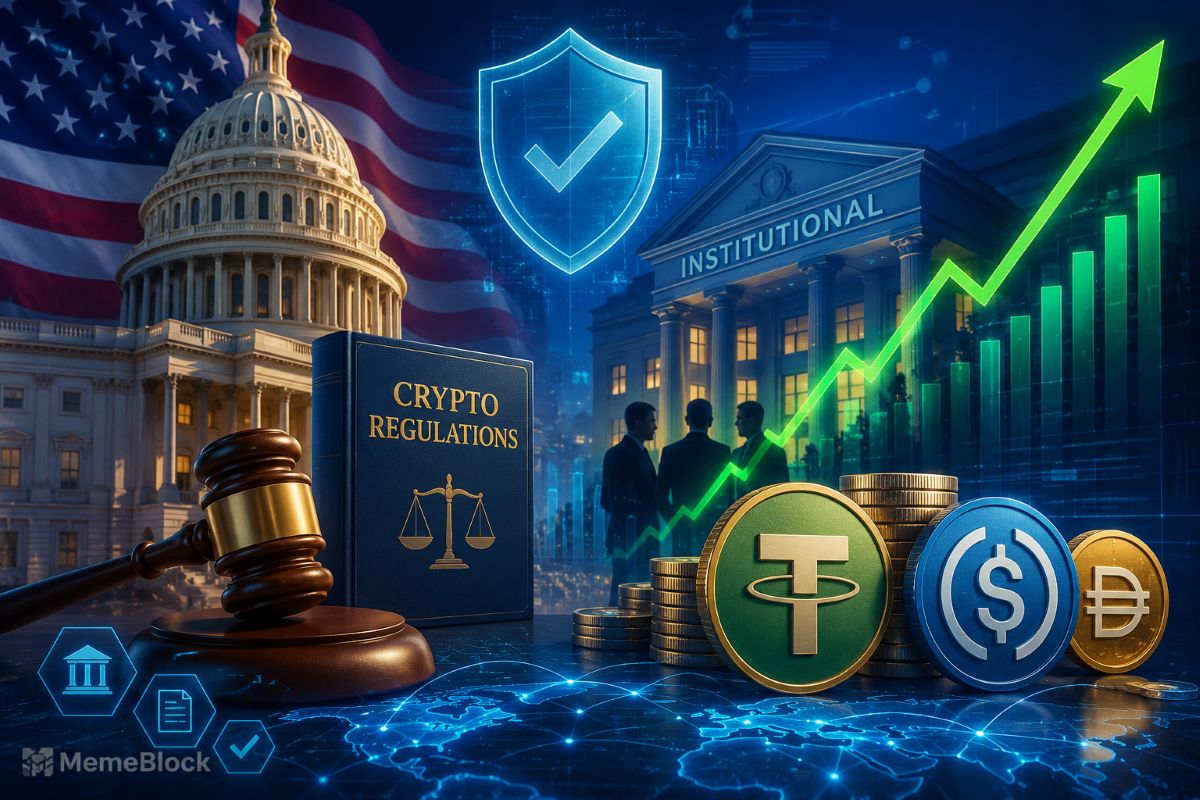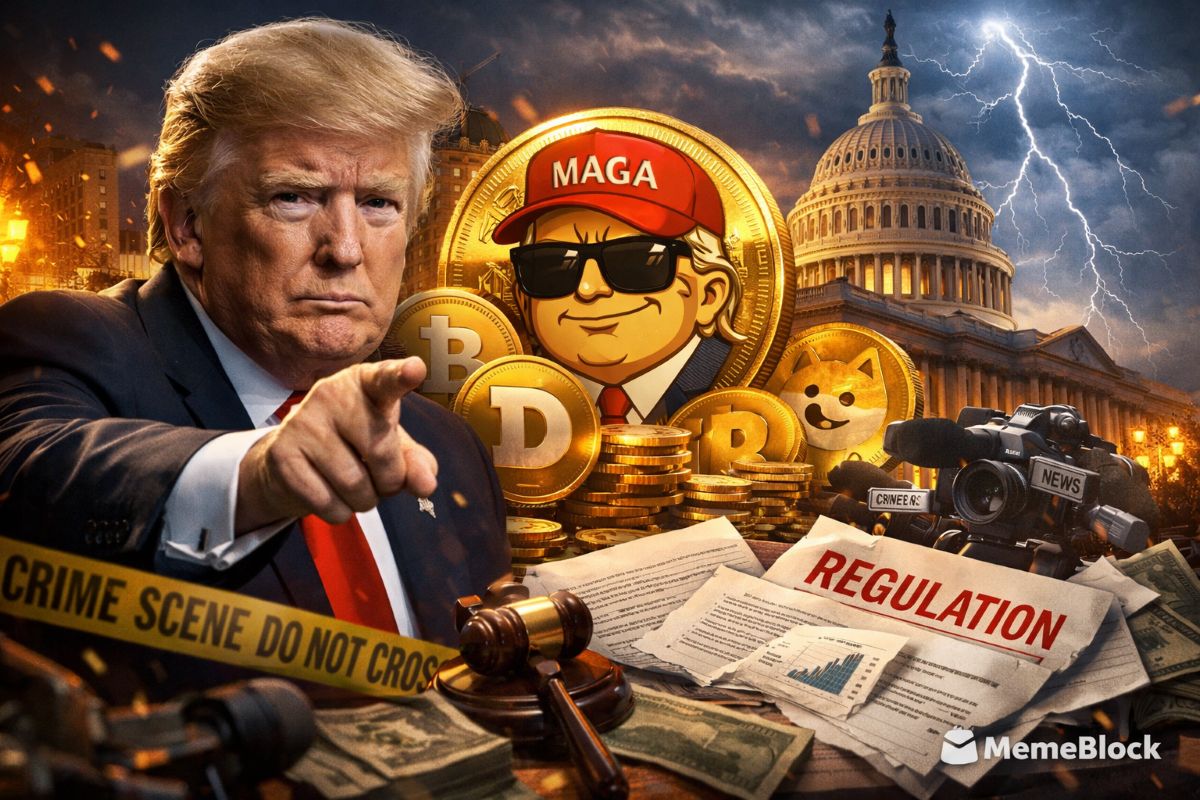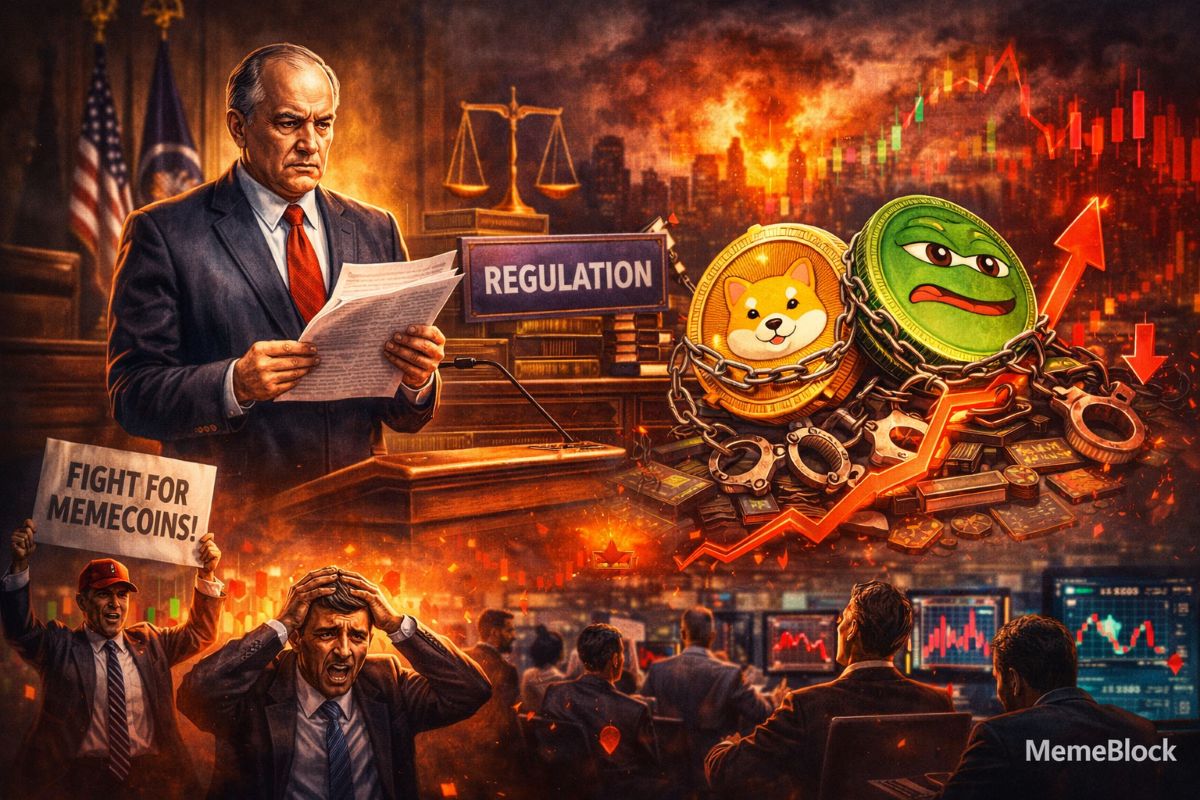
The U.S. crypto regulatory landscape entered a new era this week as the Securities and Exchange Commission (SEC) and the Commodity Futures Trading Commission (CFTC) officially rolled out their long-awaited “Framework for Digital Collectibles.” The joint interpretation, released on March 17, 2026, establishes a unified classification system for digital assets, bringing much-needed clarity to memecoins, NFTs, and similar blockchain-based tokens.
A Landmark Shift in Crypto Regulation
The newly implemented framework introduces a five-category taxonomy for digital assets: digital commodities, digital collectibles, digital tools, stablecoins, and digital securities.
This classification is significant because it formally places most memecoins under the “digital collectibles” category, meaning they are generally not considered securities under U.S. law.
For years, regulatory uncertainty clouded the memecoin market. The SEC had previously indicated that typical memecoins, often driven by internet culture rather than utility, do not meet the legal definition of securities.
However, the absence of a clear framework left enforcement inconsistent and investor protections ambiguous.
With this new joint guidance, that ambiguity is largely eliminated.
What the “Digital Collectibles” Category Means
Under the framework, digital collectibles include assets like NFTs and memecoins that lack intrinsic utility or financial rights tied to managerial efforts.
This classification has two major implications:
- No SEC registration required: Memecoins categorized as collectibles are not subject to traditional securities registration requirements.
- Reduced regulatory burden: Projects can launch and trade tokens with fewer compliance hurdles compared to security tokens.
Still, regulators emphasized that fraud, manipulation, and misleading promotions remain illegal, regardless of classification.
In short, while memecoins may avoid securities laws, they are not operating in a legal vacuum.
Impact on the Memecoin Market
The framework is widely viewed as a bullish development for the memecoin sector. By confirming that most memecoins fall outside SEC jurisdiction, the rules effectively lower barriers to entry for new projects and encourage innovation.
Industry analysts note that the classification also aligns memecoins more closely with consumer-driven digital culture assets, rather than investment contracts.
Additionally, the CFTC is expected to play a larger oversight role for broader crypto markets, particularly where trading and derivatives are involved.
This division of responsibilities between the SEC and CFTC marks a strategic shift toward collaborative crypto regulation, replacing the previous enforcement-heavy approach.
Risks and Criticism of the New Framework
Despite the optimism, critics warn that the framework could expose retail investors to higher risks. Memecoins are inherently volatile and often driven by hype, social media trends, and speculative trading behaviour.
Some experts argue that labelling memecoins as “collectibles” may reduce disclosure requirements, potentially making it easier for bad actors to exploit inexperienced investors.
There are also concerns that projects could intentionally structure tokens to fit the “collectibles” category to avoid stricter oversight.
Regulators addressed this by stating that classification depends on economic reality, not labels, and assets that function as investment contracts can still fall under securities laws.
Broader Implications for Crypto Innovation
Beyond memecoins, the framework is expected to accelerate innovation across Web3 sectors, including gaming, fan tokens, and digital identity systems.
For example, fan tokens and engagement-based assets are now clearly categorized as either digital collectibles or tools, providing legal certainty for large-scale adoption.
The initiative also stems from the broader “Project Crypto” collaboration, which aims to unify U.S. digital asset regulation and position the country as a global leader in blockchain innovation.
What Comes Next
While the framework is now live, it remains an interpretive guidance rather than a fully codified law. Future legislation from Congress could further refine or formalize these rules.
In the meantime, the SEC and CFTC are inviting public feedback and may introduce additional clarifications as the market evolves.
Conclusion
The launch of the SEC/CFTC “Framework for Digital Collectibles” marks a defining moment for memecoin regulation. By officially classifying most memecoins as non-securities, the U.S. government has provided long-awaited clarity, unlocking new opportunities while raising fresh questions about investor protection.
For traders, developers, and investors, the message is clear: memecoins are no longer in regulatory limbo, but they are far from risk-free.