What changed and why it matters
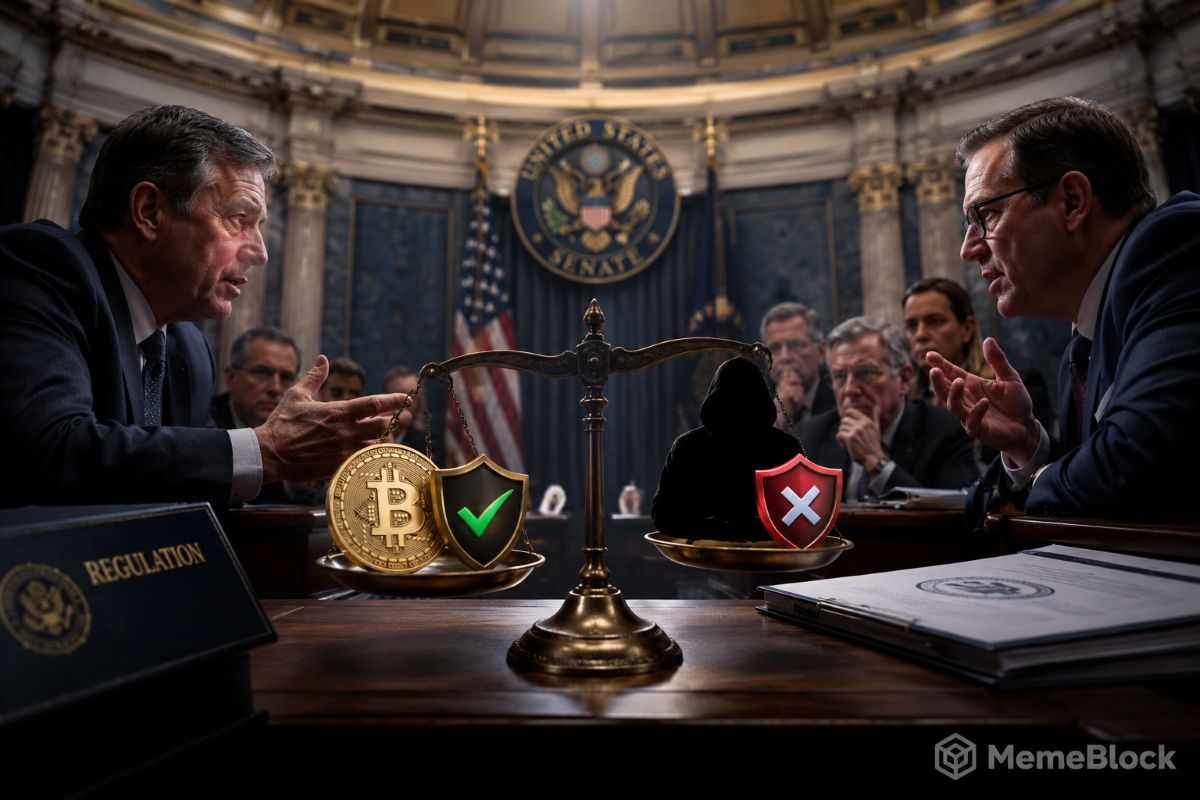
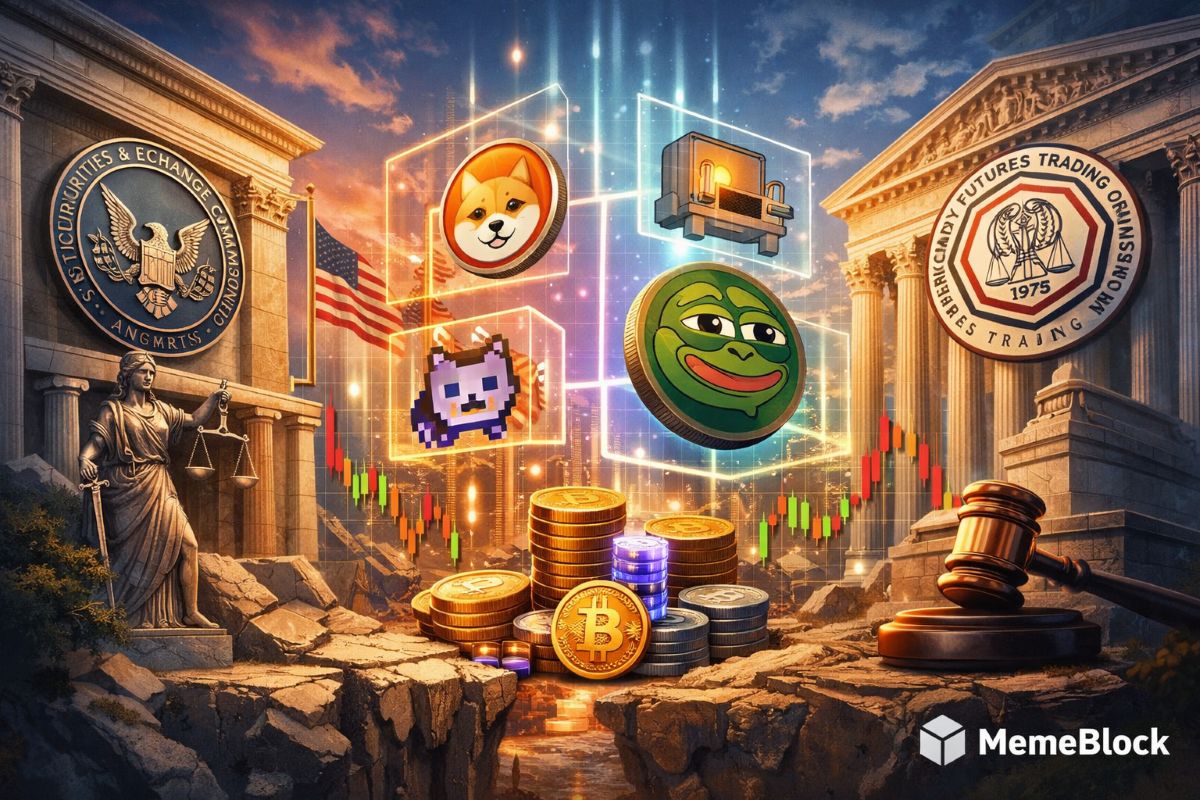
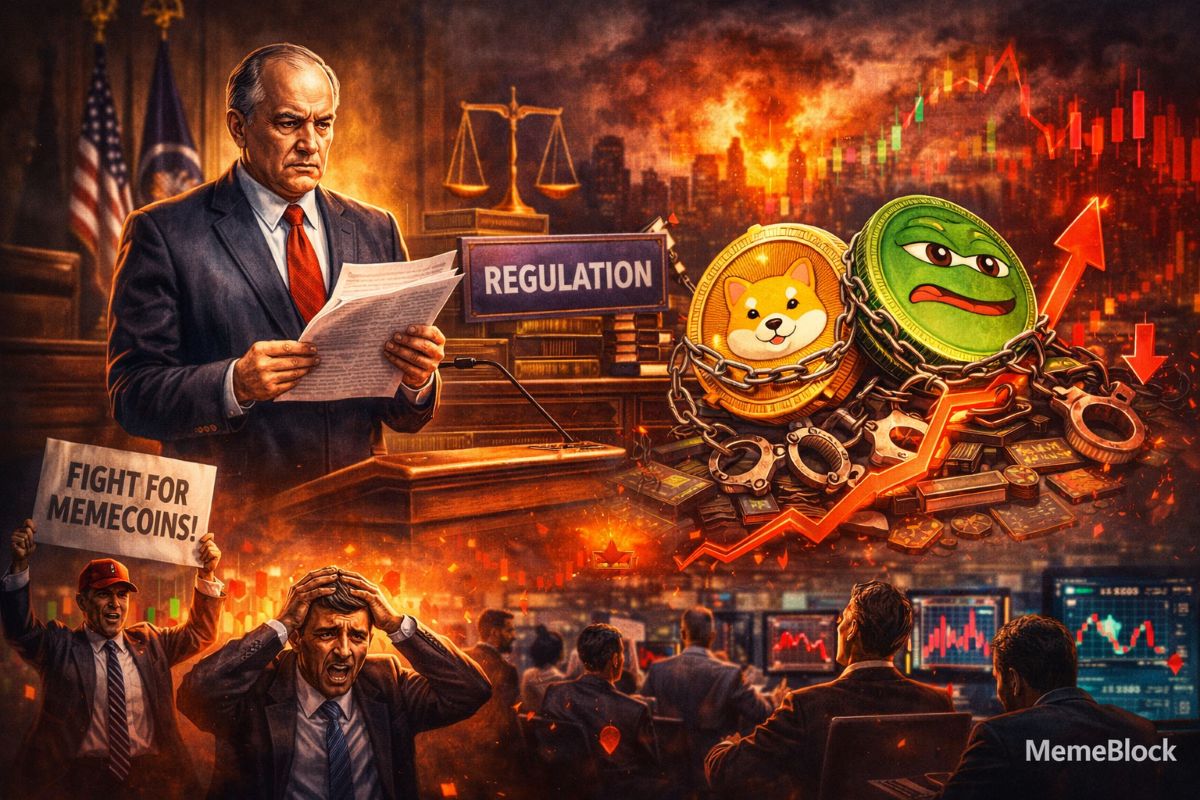
The U.S. Securities and Exchange Commission’s Division of Corporation Finance has formally said that, in most cases, meme coins are not securities, marking a major shift in how regulators treat novelty tokens that explode online and then vanish. That means, according to the staff, most meme-coin purchasers and holders aren’t covered by federal securities laws, and the SEC won’t treat ordinary meme-coin trading like stock sales.
What the SEC actually said
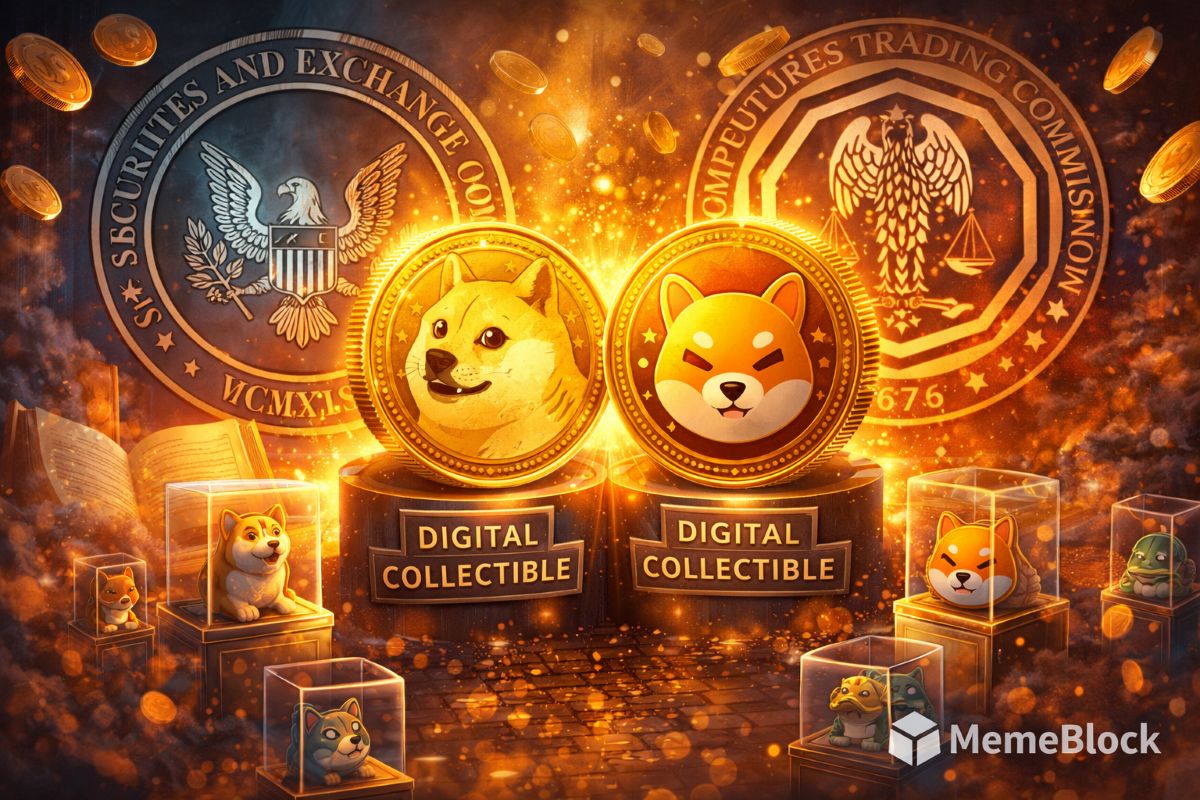
In a staff statement released late February 2025, CorpFin framed meme coins as “akin to collectibles” assets driven largely by hype, social-media fandom, and speculation rather than by promises of future profits, dividends, or management control. Because they typically don’t convey rights to future income or ownership in an enterprise, they usually fail to meet the legal tests used to define a “security,” including the classic Howey Test. The staff was explicit: individuals who buy or sell meme coins generally are not protected by federal securities laws.
Why doesn’t it mean the wild west?
Don’t get it twisted, “not a security” doesn’t equal “no rules.” The SEC staff stressed it will still look beyond labels: projects that cloak what are effectively investment contracts as meme coins could still fall under securities law if the facts show investors were promised profits tied to a common enterprise. Plus, fraud, market manipulation, and deceptive conduct remain squarely within SEC enforcement powers. In short: if someone’s running a pump-and-dump dressed as a joke token, regulators will still come knocking.
Who’s left holding the regulatory bag?
With the SEC stepping back, oversight questions move front and center. Legal analysts and industry lawyers say many meme coins may instead fall under commodity law, putting the Commodity Futures Trading Commission (CFTC) and other agencies in play, especially for derivatives, futures, or manipulative trading practices tied to these tokens. State attorneys general and consumer-protection agencies also retain tools to pursue fraud and scams. So enforcement will be more fragmented, not absent.
What market players need to know: TLDR for devs, exchanges, and HODLers
- Developers & issuers: Don’t pretend your token is a silly “meme” if you’re packaging it with promises of revenue-sharing, governance payouts, or profit allocations; that’s a red flag.
- Exchanges: Platforms listing meme coins should continue robust listing reviews and anti-fraud measures; being out of SEC jurisdiction doesn’t make these tokens risk-free.
- Investors: If you’re buying a meme coin because of a celebrity tweet or Reddit hype, know you probably won’t have SEC-backed disclosures or investor protections. DYOR and expect volatility.
What comes next: rulemaking, hearings, and legal tests
The SEC chair has signalled a broader push to rethink crypto rules and to develop clearer, token-specific regimes, so this staff view may be an interim stop, not the final map. Expect more roundtables, court fights over edge cases, and possible new rules that draw firm lines between collectible-style tokens and real investment contracts. Courts will ultimately test many of these questions case-by-case.
Summary
The SEC’s staff guidance that many meme coins are “not securities” is a big deal. It clears some immediate legal uncertainty, but also shifts regulatory responsibility and leaves investors exposed to non-securities risks. For now, hype-driven tokens remain a speculative arena: entertaining and explosive, but buyer beware.