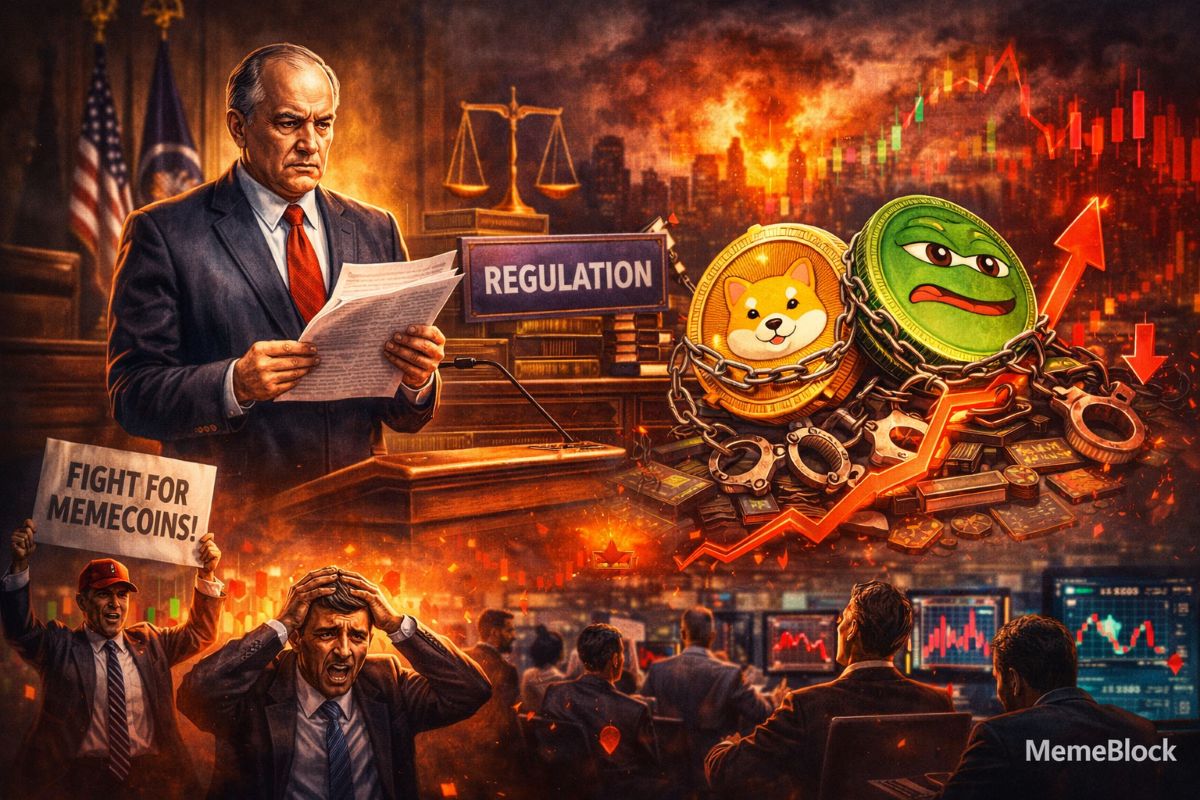
The crypto world just got a serious curveball. The “Atkins Doctrine” is now officially shaping U.S. memecoin regulation, and yeah, it’s a big deal. This new regulatory philosophy, driven by SEC Chairman Paul Atkins, is flipping the script on how memecoins and digital assets are classified, traded, and even hyped.
What Is the Atkins Doctrine in Crypto Regulation?
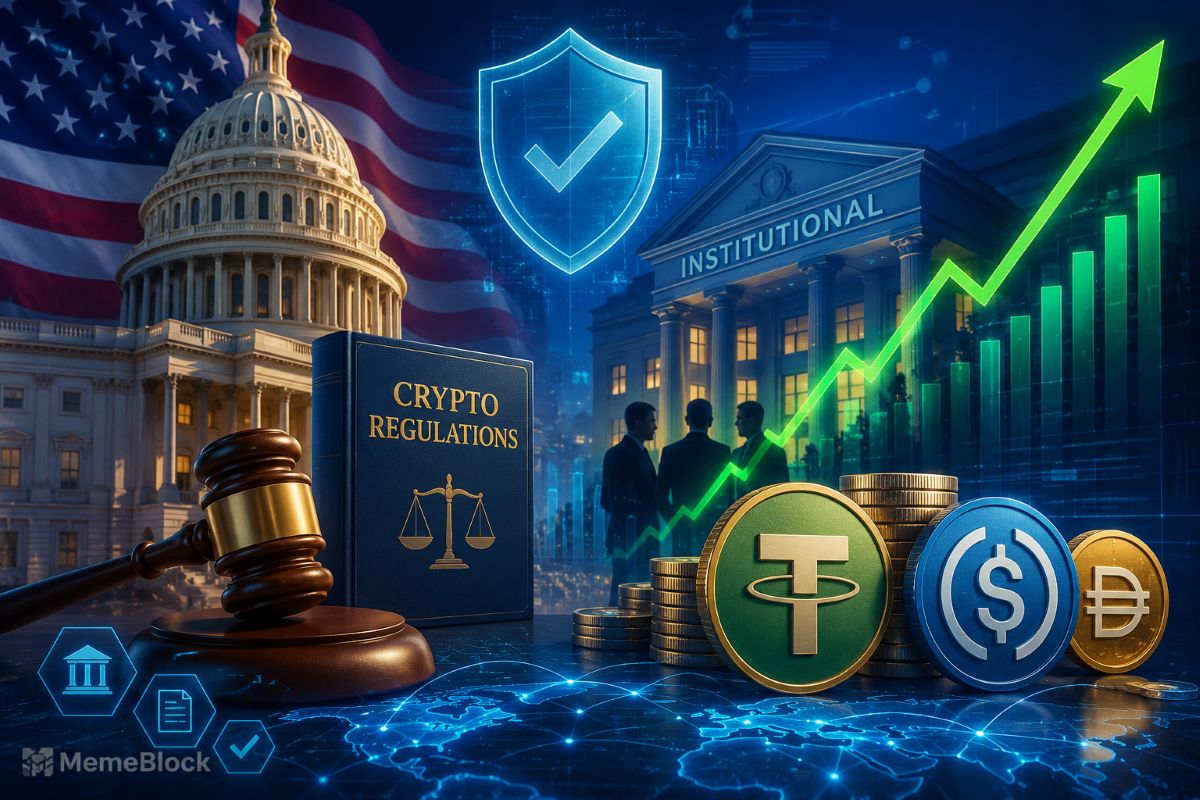
The “Atkins Doctrine” isn’t a formal law, but it’s quickly becoming the guiding playbook for U.S. crypto oversight. At its core, it pushes a pro-innovation, low-enforcement approach, replacing years of strict crackdowns with clearer rules.
Under the SEC’s leadership, the agency is moving away from “regulation by enforcement” toward structured guidance that clearly tells crypto builders what’s legal.
The centerpiece? A brand-new token taxonomy system that classifies crypto assets like digital commodities, collectibles, tools, stablecoins, and securities.
Memecoins Reclassified: No Longer Securities?
Here’s where things get spicy for memecoin traders.
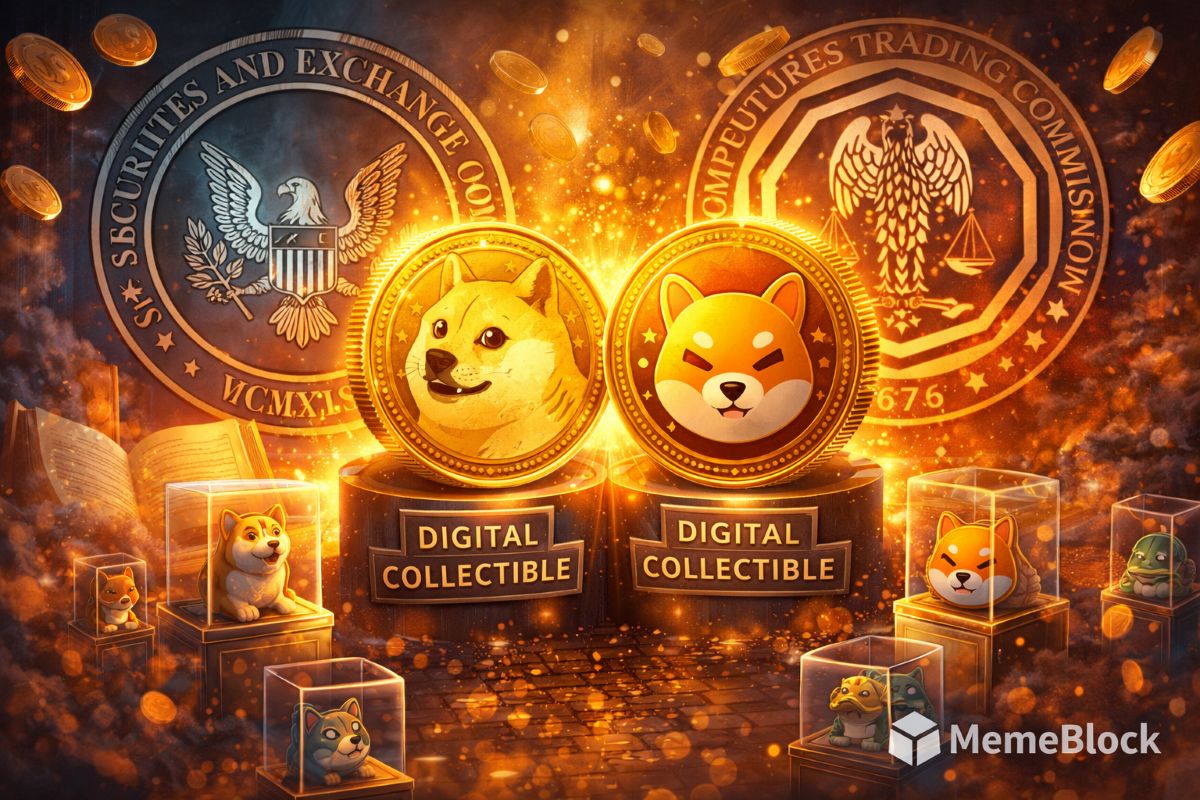
Under the new framework, most memecoins fall into the “digital collectibles” category, meaning they are NOT considered securities in most cases.
Why? Because securities are heavily regulated in the U.S., if a token isn’t a security, it avoids strict SEC registration, disclosures, and compliance headaches.
This effectively gives memecoins a freer lane to exist as culture-driven, hype-based assets rather than financial instruments.
The “Safe Harbor” Rule: Fuel for Memecoin Startups
Another major pillar of the Atkins Doctrine is the proposed “safe harbour” framework.
This allows crypto startups, including memecoin creators, to launch and grow without immediate SEC pressure, as long as they meet certain conditions.
Think of it like a grace period:
- Build your project
- Grow your community
- Prove utility (if any)
- Then worry about compliance
This could trigger a new wave of memecoin launches, especially in the U.S., where regulation previously scared off innovation.
Critics Sound Alarm: Is This Too Loose?
Not everyone’s celebrating.
Critics argue that loosening oversight could:
- Increase speculative bubbles
- Encourage pump-and-dump schemes
- Reduce investor protection
Recent reports suggest the new framework could significantly reduce regulatory scrutiny on memecoins and similar assets, raising concerns about market integrity.
Why the Atkins Doctrine Matters for Memecoin Investors
If you’re trading or holding memecoins, this shift changes the game:
1. Easier Market Entry
New tokens can launch faster without regulatory bottlenecks.
2. More Institutional Interest
Clear rules reduce legal uncertainty, big money likes that.
3. Higher Volatility
Less oversight often means more hype cycles and sharper crashes.
The Future of Memecoin Regulation in the U.S.
The Atkins Doctrine is still evolving, but one thing’s clear: it marks a turning point in crypto regulation.
Instead of asking, “Is this illegal?” regulators are now asking, “Which category does this belong to?” And for memecoins, that answer is increasingly: culture, not compliance.
Still, the framework isn’t final. Lawmakers and regulators are expected to refine these rules further, especially as memecoins continue to blur the line between entertainment and finance.
Conclusion
The Atkins Doctrine is rewriting the rules of memecoin regulation in real time. By classifying most memecoins as non-securities and introducing startup-friendly policies, the U.S. is positioning itself as a global hub for crypto innovation. But with great freedom comes serious risk.
For traders, builders, and investors, this isn’t just another policy update; it’s the start of a whole new memecoin era.