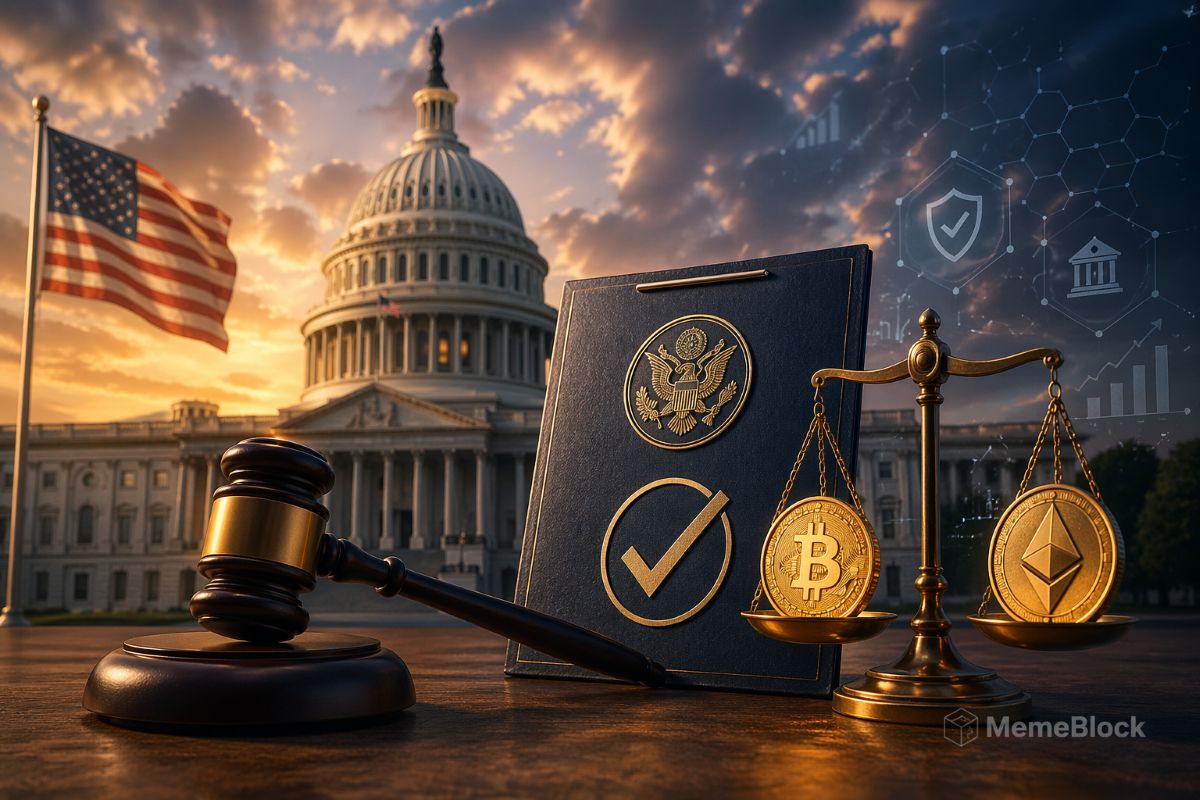
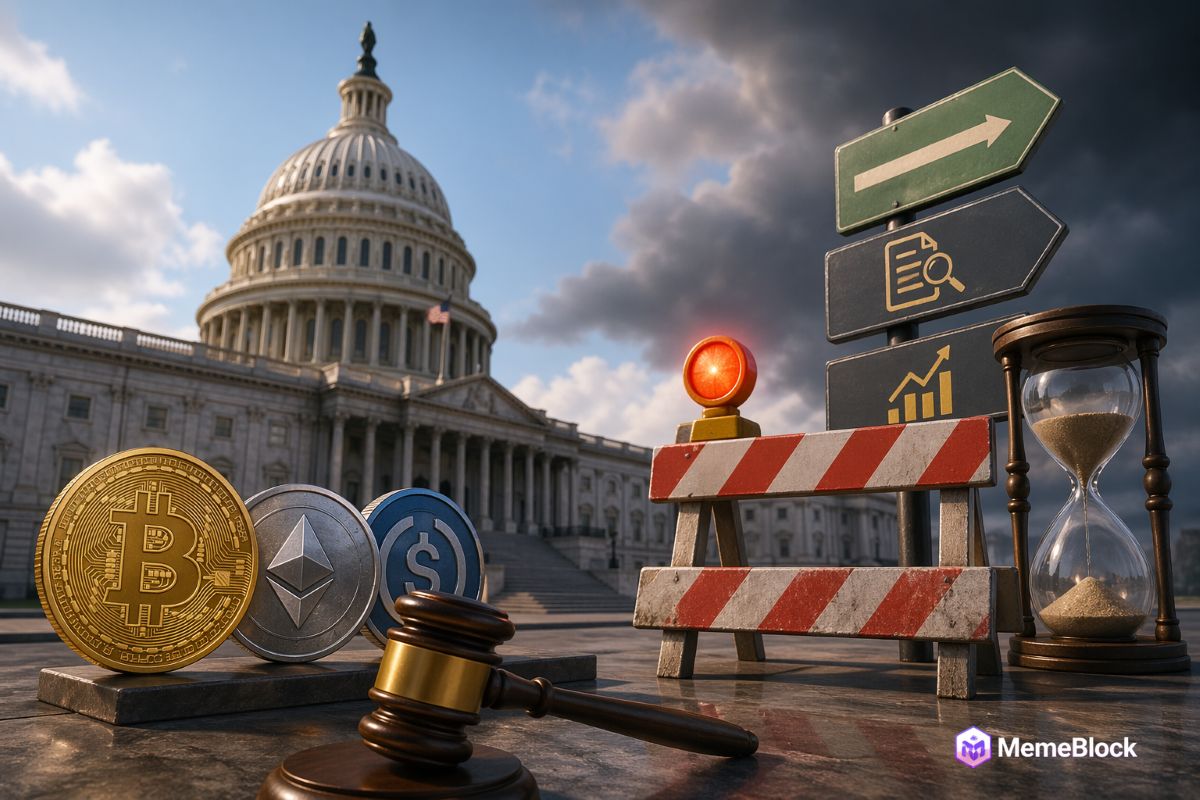
A major regulatory shift may be just days away. SEC Chair Paul Atkins has announced that the agency is preparing to deliver long-awaited formal guidance on how cryptocurrencies will be classified under the Howey Test, potentially reshaping the U.S. digital asset landscape and ending years of uncertainty around token regulation.
The announcement came during a policy panel in Washington, where Atkins emphasized that the SEC is “closer than ever” to finalizing a classification framework that distinguishes securities, commodities, and utility tokens, a move that industry leaders say could unlock institutional participation and reduce legal risk for U.S. developers.
A Breakthrough Moment for U.S. Crypto Rules
Since the rise of ICOs in 2017, crypto assets have existed in a regulatory gray zone. The SEC has relied on the Howey Test, a 1946 Supreme Court standard, to determine whether a digital token qualifies as an investment contract. But the lack of explicit guidance has led to unpredictable enforcement actions, contradictory interpretations, and billions in legal battles.
Atkins signaled that the upcoming guidance will formalize how the Howey standards apply to:
- Governance tokens
- Utility tokens
- DeFi protocol assets
- Layer-1 and Layer-2 network tokens
- Staking-reward–generating assets
“We are committed to a rules-based approach that gives the industry clear expectations,” Atkins stated. “Innovation needs certainty, and the American market deserves transparency.”
What the New Framework May Include
While Atkins did not share the full details, sources familiar with internal SEC discussions say the clarity framework could include:
1. A Three-Tier Token Classification System
The SEC may introduce a categorization model separating tokens into:
- Securities tokens (profit-sharing or issuer-controlled)
- Digital commodities (sufficiently decentralized networks)
- Functional utility tokens (non-investment use cases)
2. Decentralization Thresholds
Similar to standards proposed by industry groups, the SEC may outline specific decentralization criteria involving:
- Node distribution
- Governance participation
- Developer control
- Network issuance structure
3. Safe Harbor Provisions
A time-limited safe harbor may allow new token projects to launch with reporting requirements while working toward decentralization, an idea long supported by developers and lawmakers.
4. Staking and Yield Clarification
Atkins hinted that staking rewards, validator incentives, and DeFi yield may be treated differently from token sales, especially for open-source protocols.
Industry Welcomes the Shift
Crypto industry leaders reacted cautiously but positively, noting that predictable rules are essential for competitive innovation.
Many also highlighted that years of inconsistent messaging from the previous SEC administration discouraged U.S.-based Web3 development and pushed talent overseas to Singapore, the UAE, and the EU.
“If the new guidance draws bright lines between securities and commodities, we’re looking at the biggest regulatory breakthrough since Bitcoin ETFs,” said a digital asset policy researcher.
Startups, institutional investors, staking providers, and DeFi protocols are all expected to adjust their operating frameworks based on the SEC’s upcoming definitions.
Why This Matters Now
The timing is significant. Congress is actively debating multiple digital asset market bills, the CFTC is expanding oversight of decentralized commodities, and the Treasury is implementing new tax guidance on staking and ETP rewards.
By signaling imminent clarity, Atkins is positioning the SEC as a cooperative regulator rather than an enforcement-first authority, potentially reshaping market sentiment heading into 2026.
Crypto markets reacted with optimism, with Ethereum, Solana, and major DeFi tokens posting mild gains after Atkins’ remarks.
FAQs
Q1: What did SEC Chair Paul Atkins announce?
He signaled that the SEC is near releasing comprehensive guidance on how tokens are classified under the Howey Test.
Q2: Why is token classification important?
It determines whether a cryptocurrency is treated legally as a security, commodity, or utility, impacting compliance requirements for developers and investors.
Q3: Will this guidance change how DeFi tokens are regulated?
Yes. The new framework is expected to include rules specifically for decentralized protocols and staking-based assets.
Q4: Will there be a safe harbor for new projects?
A limited safe harbor provision is expected to be part of the proposed framework.
Q5: When will the guidance be released?
While no date is confirmed, Atkins suggested it is “imminent,” with industry analysts expecting a release before year-end.