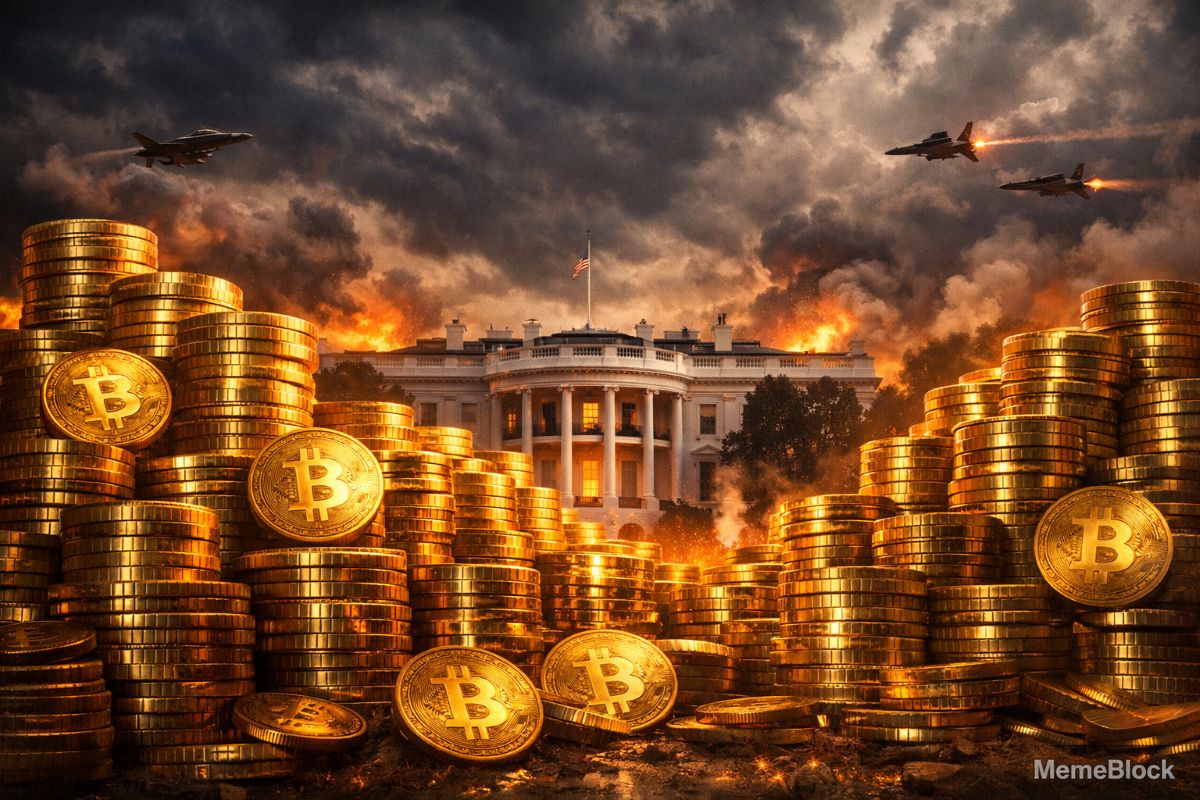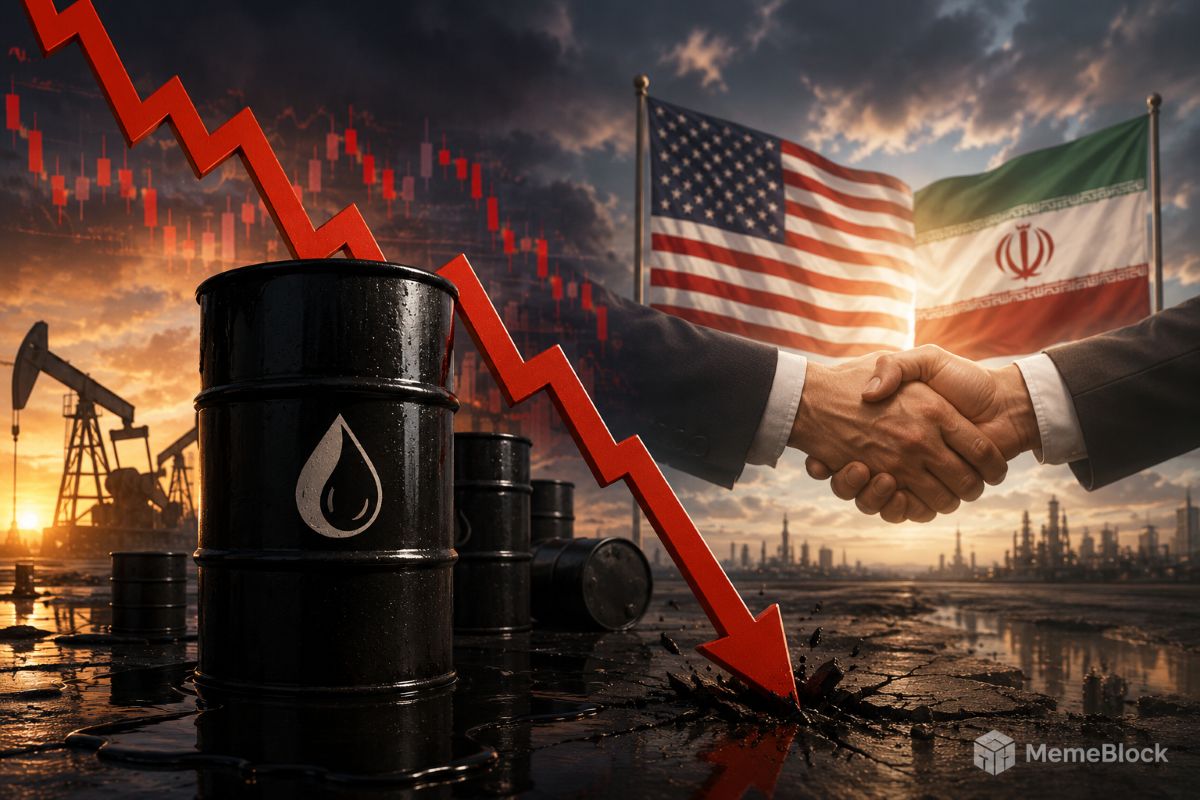
Global markets reacted sharply on Monday after U.S. President Donald Trump declared that a peace agreement between the United States and Iran was “complete,” triggering a major selloff in oil markets and fueling a rally across risk assets. Crude oil prices plunged roughly 4%, while Bitcoin climbed toward the $66,000 mark as investors welcomed the prospect of reduced geopolitical tensions and the reopening of the critical Strait of Hormuz.
The development marks one of the most significant geopolitical breakthroughs of 2026 and is already reshaping sentiment across commodities, equities, and digital assets.
Oil Prices Tumble as Hormuz Reopening Boosts Supply Outlook
Brent crude futures dropped more than 4% to trade below $85 per barrel, while West Texas Intermediate (WTI) crude fell over 5%, reaching its lowest levels since March. The sharp decline came after Trump announced that military hostilities between Washington and Tehran would end and that the Strait of Hormuz would reopen for global shipping.
The Strait of Hormuz is one of the world’s most important energy chokepoints, handling roughly one-fifth of global oil shipments. During the months-long conflict, disruptions in the region created a significant risk premium in oil markets and raised concerns about global energy supplies.
With expectations that oil exports will gradually normalize, traders quickly removed much of that geopolitical premium from crude prices. Analysts say the market is now pricing in improved supply conditions and reduced inflationary pressures worldwide.
Bitcoin Climbs Toward $66,000 Amid Renewed Risk Appetite
The crypto market also benefited from the easing geopolitical backdrop. Bitcoin surged toward $66,000, reaching its highest level in nearly two weeks as investors shifted back into risk assets. The move triggered a wave of short liquidations and renewed bullish sentiment across the digital asset sector.
Market participants view the peace agreement as a positive catalyst because lower energy prices could ease inflation concerns and improve overall market liquidity. Historically, Bitcoin has performed well during periods when investors become more comfortable taking risk, and Monday’s price action reflected that trend.
Crypto-related stocks also advanced, with investors betting that improved macroeconomic conditions could support further gains across the digital asset ecosystem.
Global Markets Rally on Peace Deal Optimism
Beyond crypto and commodities, global equity markets posted strong gains. European stocks reached record highs, while U.S. stock futures surged as investors celebrated the possibility of a lasting diplomatic resolution. Airlines, travel companies, and consumer-focused sectors were among the biggest beneficiaries of falling oil prices.
The agreement reportedly includes a 60-day ceasefire framework and sets the stage for additional negotiations regarding Iran’s nuclear program and sanctions relief. A formal signing ceremony is expected to take place in Switzerland later this week.
What Comes Next for Bitcoin and Oil Markets?
While investors have welcomed the announcement, analysts caution that important details of the agreement still need to be finalized. The reopening of shipping routes, sanctions discussions, and long-term security arrangements will likely determine whether the market’s optimism is sustained.
For now, however, traders are focusing on the immediate impact: lower oil prices, easing geopolitical risks, and a renewed appetite for growth-oriented assets. Bitcoin’s push toward $66,000 and the sharp decline in crude prices highlight how quickly markets can respond when uncertainty begins to fade.
As the peace process moves forward, both crypto investors and energy traders will be watching closely to see whether this breakthrough marks the beginning of a more stable global market environment.