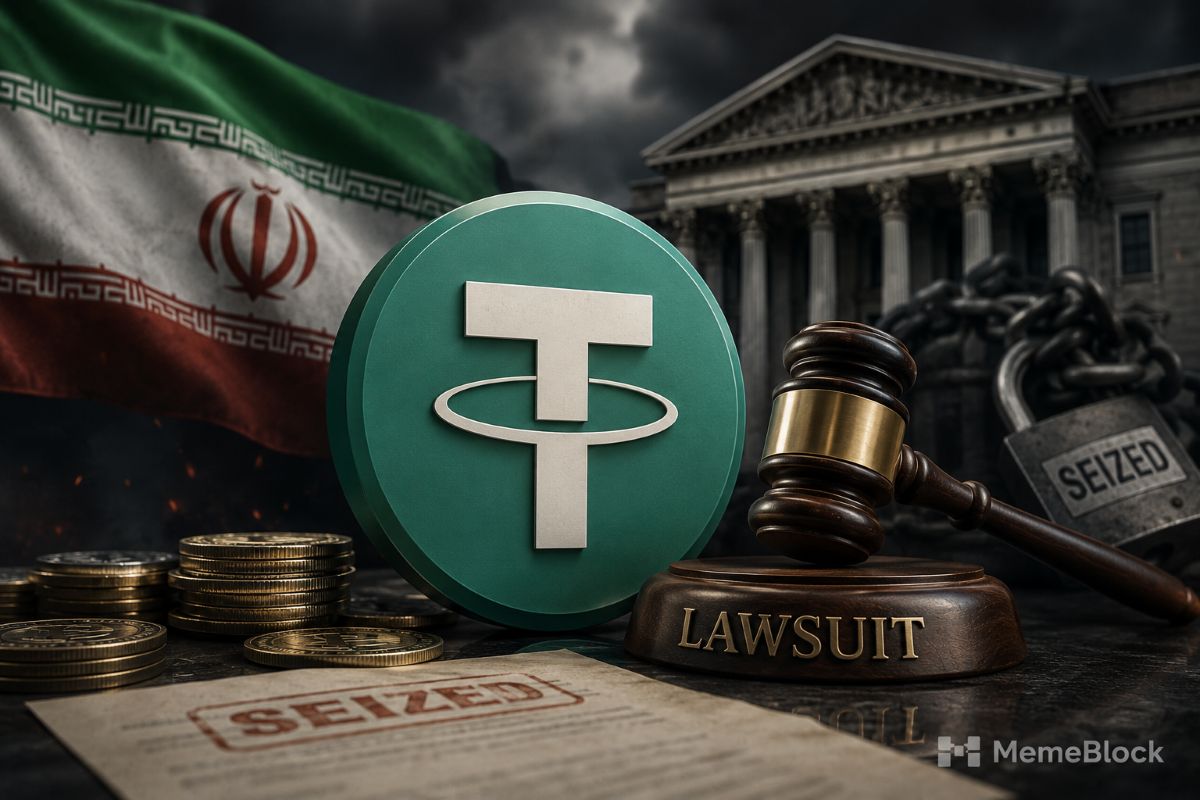
A high-profile crypto attorney who recently led a controversial Arbitrum asset seizure case is now turning his attention toward stablecoin giant Tether. This shift comes in a new legal battle involving $344 million worth of frozen USDT tokens.
Attorney Charles Gerstein has filed a motion in a Manhattan federal court seeking control of frozen Tether assets allegedly tied to Iran’s Islamic Revolutionary Guard Corps (IRGC). Moreover, the lawsuit could become one of the most significant legal tests yet for centralized stablecoin issuers. It may also challenge their authority over frozen blockchain funds.
Lawyer Behind Arbitrum Crypto Case Expands Legal Strategy
Gerstein previously gained attention after pursuing frozen Ethereum assets connected to the KelpDAO hack on the Arbitrum network. In that case, his law firm attempted to redirect seized crypto funds toward clients. These clients held court judgments against North Korea-linked cybercrime operations.
Now, the same legal strategy is being applied to Tether’s USDT stablecoin ecosystem.
According to court filings, the plaintiffs include survivors and families affected by terror attacks allegedly backed by Iran-linked organizations. They are asking the court to order Tether to transfer 344,149,759 USDT from frozen wallets. These funds would go into a wallet controlled by their attorneys.
The targeted wallets were previously blocked after U.S. authorities identified them as being connected to sanctioned entities. These entities are associated with the IRGC.
Why This Tether Lawsuit Matters for Crypto Markets
The case highlights a major difference between decentralized cryptocurrencies like Bitcoin and centrally managed stablecoins like USDT.
Unlike Bitcoin, Tether can freeze, even reissue tokens, when law enforcement requests action. This centralized control has become a key point in the lawsuit. Gerstein argues that because Tether already froze the assets, it also has the practical ability to redirect them to judgment creditors.
Crypto legal experts say the outcome could create an important precedent for future blockchain asset seizures. This may be especially relevant in cases involving sanctions violations, terrorism financing, and cybercrime recoveries.
Tether’s Growing Role in Global Enforcement Actions
Tether has increasingly positioned itself as a cooperative player in international financial crime investigations.
In April 2026, the company announced that it worked alongside OFAC and U.S. law enforcement agencies to freeze more than $344 million in USDT tied to suspicious activity. Furthermore, Tether stated it has collaborated with over 340 law enforcement agencies across 65 countries. It has also frozen billions in illicit assets to date.
The company maintains that its compliance systems are designed to prevent USDT from being used for terrorism financing, sanctions evasion, and organized cybercrime.
However, critics within the crypto industry argue that the lawsuit also exposes the risks of centralized stablecoins. Some traders fear that aggressive legal actions could increase regulatory pressure across the broader crypto market.
Crypto Industry Watches Potential Landmark Court Decision
The legal battle arrives at a sensitive moment for the cryptocurrency sector. Regulators worldwide continue tightening oversight around stablecoins and blockchain-based payments.
If the court sides with Gerstein’s clients, it may strengthen future efforts to seize frozen digital assets linked to sanctioned governments or criminal groups. On the other hand, a ruling favouring Tether could reinforce limits on how far courts can go. This relates to compelling crypto companies to redistribute customer assets.
The lawsuit also places renewed focus on how centralized crypto issuers balance compliance obligations with user property rights.
For now, the frozen USDT remains inaccessible while the federal court reviews the claims. Investors, regulators, and crypto exchanges are expected to closely monitor the outcome. The ruling could reshape future legal standards for stablecoin seizures and blockchain enforcement actions.