A large-scale Cloudflare outage briefly disrupted major online platforms, triggering widespread 500 internal server errors across popular services, including LinkedIn, Canva, and several enterprise applications. The outage, which lasted for a short but impactful window, once again highlighted the growing dependence of global businesses on Cloudflare’s network infrastructure. Users across multiple regions reported pages failing to load, login difficulties, and complete service interruptions as Cloudflare’s systems experienced performance degradation.
The issue originated from a network-level disruption inside Cloudflare’s infrastructure, which acts as a backbone for many high-traffic websites. As a result, businesses relying on Cloudflare’s CDN, DNS, and reverse-proxy capabilities simultaneously experienced downtime. While Cloudflare quickly acknowledged the problem through its status page, users continued to face intermittent connectivity errors until mitigation efforts were fully deployed.
Cloudflare’s Role Amplified the Impact of the Outage
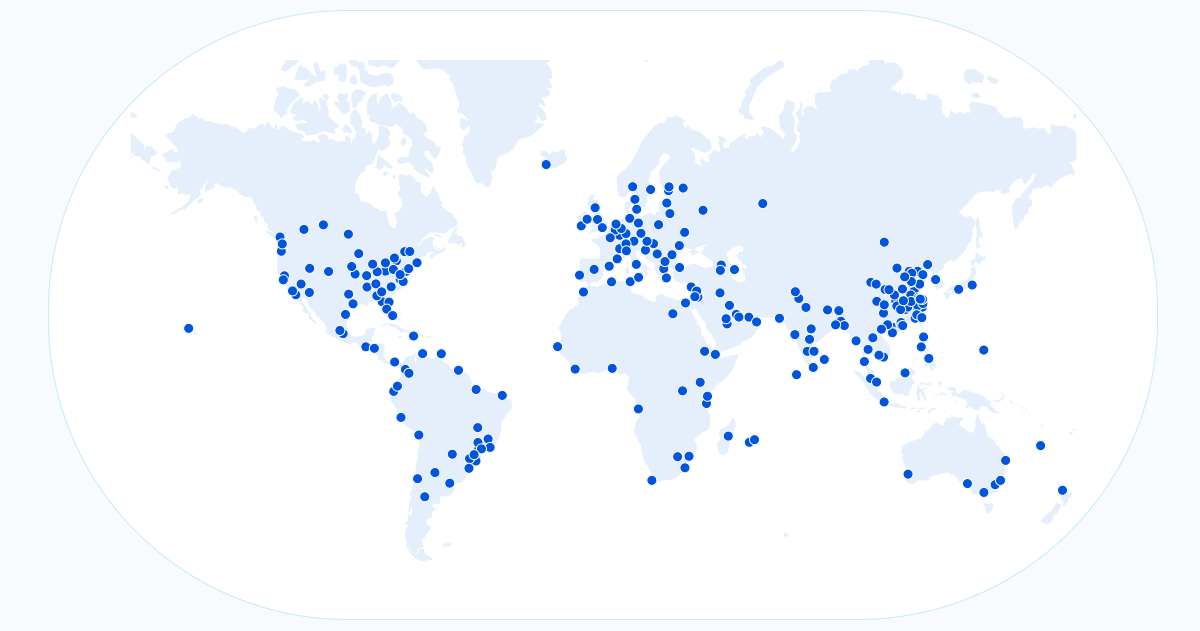
As one of the world’s largest content delivery networks, Cloudflare handles millions of requests per second across thousands of websites. A minor internal disruption often cascades widely, affecting businesses that rely on Cloudflare for improved security, speed, and reliability.
During the outage, several users searching for why LinkedIn is showing a 500 error today or Canva is not loading due to a Cloudflare issue found themselves unable to access any part of the services. Reports surged on DownDetector, with spikes indicating outages in the U.S., India, Europe, and parts of Southeast Asia.
Cloudflare confirmed that a technical issue in one of its core systems triggered the anomalies. While the company has experienced outages before, they tend to resolve quickly due to its robust mitigation processes. Nevertheless, even a short disruption can create significant digital traffic jams.
Businesses and Creators Hit by Temporary Downtime
Among the affected platforms, Canva users saw error pages preventing them from accessing ongoing design projects. LinkedIn’s professional network also went partially offline, with users unable to view posts, send messages, or edit profiles. SaaS companies, digital agencies, and e-commerce stores felt the impact as cloud-hosted dashboards failed to load.

Cloudflare Responds Quickly to Restore Services
Cloudflare engineers acted swiftly to mitigate the disruption. Within a short period, service stability began returning across the affected platforms. The company explained that the outage was not a security breach but a technical malfunction within part of its network routing layer.
Industry experts said such outages, though rare, are an inevitable part of managing global internet-scale infrastructure. Still, the incident reinforces the importance of diversification for businesses relying heavily on single-provider ecosystems.
Users gradually regained access to LinkedIn and Canva, though some continued seeing residual delays as DNS propagation and cache restoration completed.
Growing Concerns Over Centralized Internet Infrastructure
The incident reignited debates about what many call the “centralization risk” of the modern internet. With services like Cloudflare, AWS, and Google Cloud supporting a massive portion of online traffic, any outage creates ripple effects across multiple industries simultaneously.
For businesses dependent on consistent uptime, this outage serves as a reminder to implement redundancy plans, including multi-CDN setups and backup routing solutions.
FAQs
1. Why were LinkedIn and Canva showing 500 errors today?
The 500 errors were caused by a temporary Cloudflare outage that disrupted its CDN and DNS functionalities, affecting multiple global platforms.
2. Was this Cloudflare outage due to a cyberattack?
No. Cloudflare has confirmed the issue was a technical malfunction, not a security breach.
3. How long did the Cloudflare outage last?
The disruption lasted a short period, though some users experienced lingering access issues as systems stabilized.
4. Can businesses prevent outages like this?
While no system is fully outage-proof, businesses can minimize risks by using multi-CDN architecture, distributed hosting, and backup DNS solutions.
5. Which regions were most affected?
Users in the U.S., India, Europe, and Southeast Asia reported the highest number of disruptions.