Ripple scored a major regulatory milestone this week. Ripple’s RLUSD secures Abu Dhabi green light, paving way for institutional rollout in UAE, as the Abu Dhabi Global Market’s (ADGM) Financial Services Regulatory Authority (FSRA) designated its U.S. dollar-pegged stablecoin, RLUSD, as an Accepted Fiat-Referenced Token. This move clears the path for FSRA-licensed institutions to integrate the token into regulated financial services across Abu Dhabi’s international finance center. Ripple’s RLUSD secures Abu Dhabi green light paving way for institutional rollout in UAE, signaling a significant step forward for cryptocurrency adoption.
The FSRA recognition lets banks, payment firms, and other regulated providers inside ADGM use RLUSD. They can use it for activities such as cross-border settlement, collateral management, and institutional payments, subject to existing compliance and custody rules. Industry observers say the decision reinforces the UAE’s emerging role as a regional hub for regulated stablecoin activity. It will also accelerate enterprise adoption of on-chain dollar liquidity, as Ripple’s RLUSD secures Abu Dhabi green light paving way for institutional rollout in UAE.
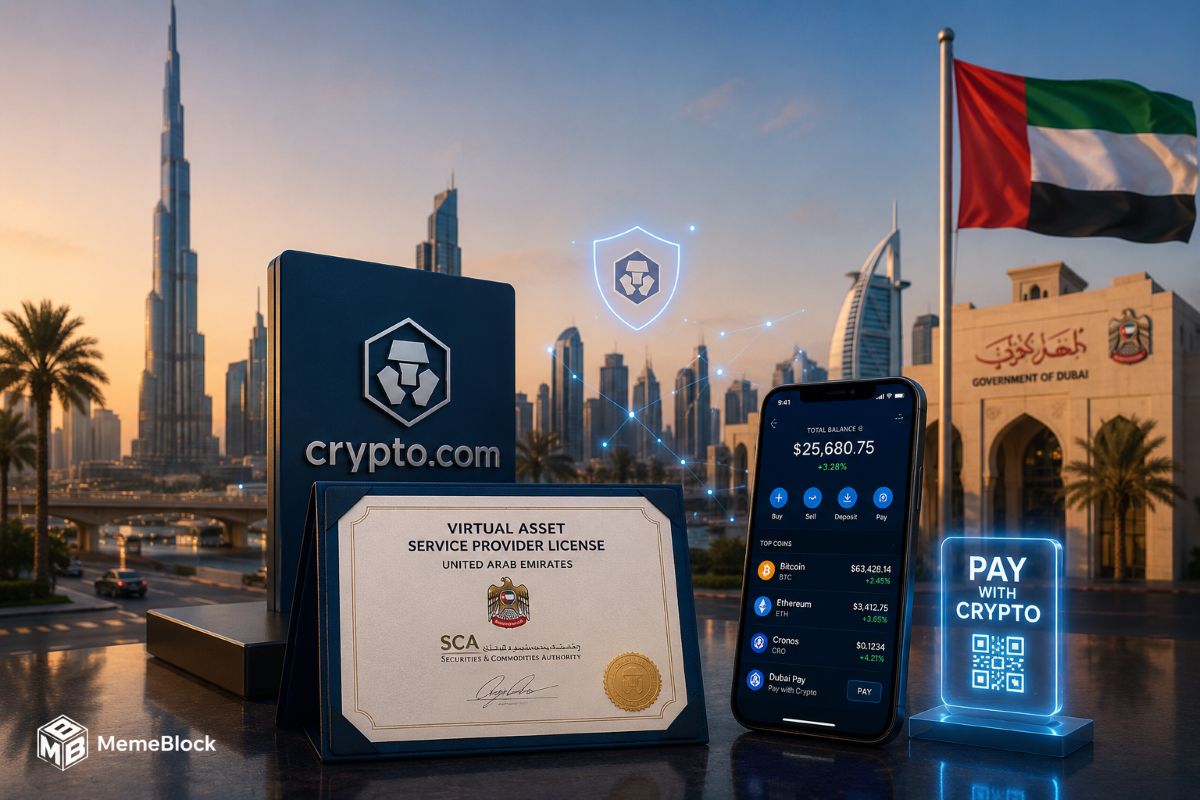
This Abu Dhabi approval follows earlier regulatory wins for RLUSD in the UAE. Ripple secured authorization to offer crypto payment services in the Dubai International Financial Centre (DIFC). Additionally, they obtained DFSA recognition for RLUSD earlier in 2025. These moves positioned the company to roll out enterprise payment use cases across the broader Emirates. Together, the approvals create a regulatory corridor for RLUSD adoption among DIFC- and ADGM-licensed entities, ensuring Ripple’s RLUSD secures Abu Dhabi green light paving way for institutional rollout in UAE.
Ripple executives framed the FSRA designation as validation of RLUSD’s design. It’s a 1:1 USD-backed token built with a “regulation-first” approach and transparent reserve arrangements. Market participants say institutional confidence in stablecoins hinges on such regulatory clarity. They are watching whether regional banks and correspondent networks will integrate RLUSD into liquidity rails to lower costs and speed up settlements.
Analysts caution that broader uptake will depend on operational integrations such as custody and KYC/AML processes. Also, they suggest competition from established dollar stablecoins plays a role. Nevertheless, the ADGM green light gives Ripple a regulatory playbook in two of the UAE’s major financial free zones. It increases the likelihood that RLUSD will be used for large-scale corporate treasury flows. Furthermore, cross-border business payments across the Middle East may also increase as Ripple’s RLUSD secures Abu Dhabi green light paving way for institutional rollout in UAE.
What this means for the market: RLUSD’s legal recognition inside regulated UAE hubs lowers barriers for institutional experimentation with on-chain dollar liquidity. It could accelerate partnerships between fintechs, banks, and payment processors. These entities seek compliant stablecoin rails for international transfers.
FAQs
Q: Does the FSRA approval let anyone in the UAE use RLUSD?
A: No, the FSRA designation permits FSRA-licensed firms operating in ADGM to use RLUSD for regulated activities. Broader use outside regulated entities remains subject to local rules.
Q: Has RLUSD been approved elsewhere in the UAE?
A: Yes. Ripple previously secured DFSA recognition for RLUSD in the Dubai International Financial Centre (DIFC) earlier in 2025. This creates regulatory coverage across both DIFC and ADGM.
Q: Will RLUSD displace other dollar stablecoins?
A: Displacement isn’t guaranteed. Adoption will depend on integrations, network effects, counterparty preferences, and regulatory trust. The ADGM approval improves RLUSD’s institutional case, but competition remains strong.
Q: When can banks and payment firms start using RLUSD in ADGM?
A: Licensed firms can begin integrating RLUSD upon satisfying ADGM/FSRA compliance and custody requirements. Rollout timing will vary by provider as they complete technical and regulatory checks.