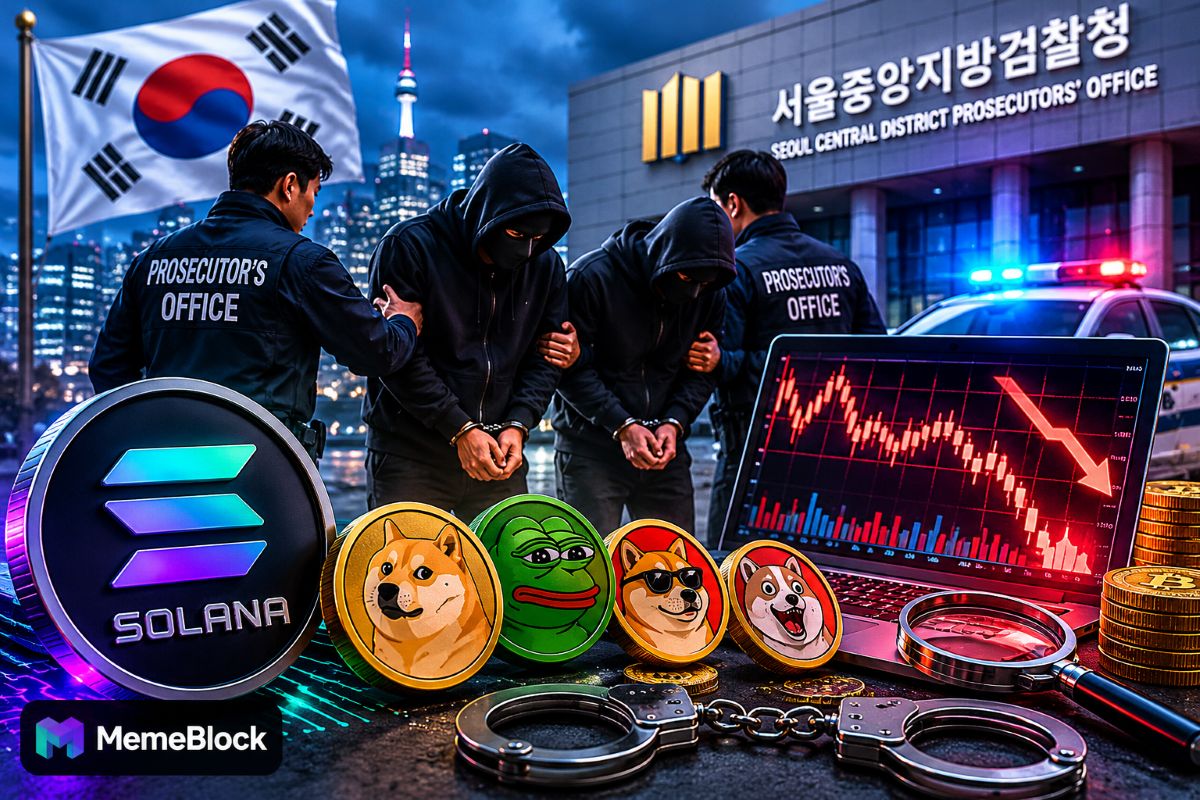
South Korean prosecutors have made a landmark arrest tied to an alleged Solana-based memecoin pump-and-dump scheme. This marks one of the country’s most aggressive crackdowns yet on crypto market manipulation. The case is being described by legal analysts as a historic moment for South Korea’s rapidly evolving digital asset regulatory framework.
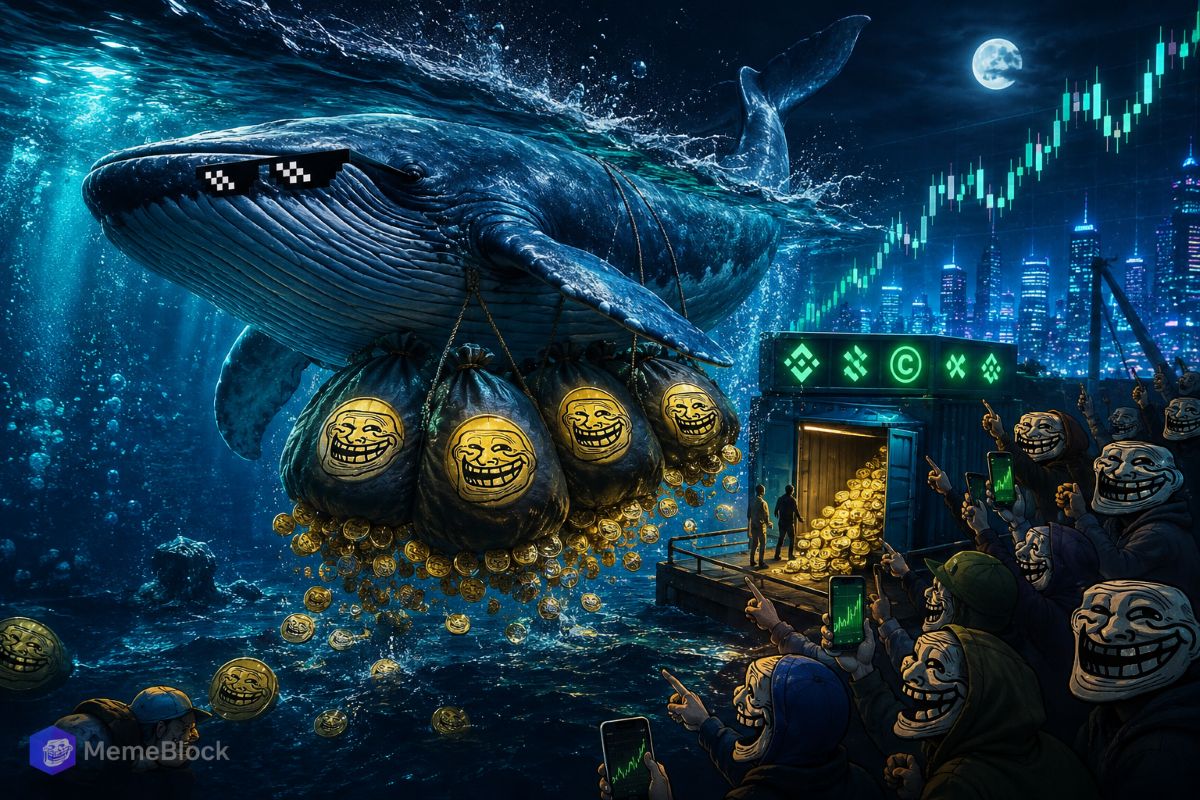
Authorities confirmed that the suspects allegedly orchestrated a coordinated “rug pull” involving a Solana memecoin project. They artificially inflated token prices before insiders dumped their holdings on retail investors. The investigation is reportedly the first major decentralized exchange-related prosecution tied specifically to memecoin fraud under South Korea’s strengthened virtual asset laws.
South Korea Intensifies Crypto Enforcement Efforts
The arrests come as South Korea continues tightening oversight of the cryptocurrency sector. This follows several high-profile digital asset collapses over the past few years. Regulators have faced growing public pressure to combat market manipulation, insider trading, and fraudulent token launches that have increasingly targeted retail traders.
South Korea’s Virtual Asset User Protection Act, which came into effect in 2024, gave prosecutors and financial regulators broader authority to investigate suspicious trading activity. As a result, they can pursue criminal charges against crypto manipulators. Earlier enforcement actions already targeted pump-and-dump activity involving rapid buy orders designed to artificially inflate token prices before coordinated selloffs.
According to local reports, prosecutors believe the suspects behind the Solana memecoin project used social media hype, influencer marketing, and coordinated wallet activity to create false trading momentum. Once the token price surged, insiders allegedly liquidated large portions of their holdings. Therefore, the project’s value collapsed within hours.
Solana Memecoin Scams Draw Global Attention
The incident highlights growing concerns surrounding speculative memecoin trading on the Solana blockchain. Solana has become one of the most active networks for memecoin launches because of its low transaction fees and high-speed processing capabilities. However, the same accessibility has also made the ecosystem vulnerable to fraudulent projects and coordinated manipulation schemes.
Crypto analysts say pump-and-dump operations have become increasingly sophisticated in 2026. Many schemes leverage Telegram groups, viral X campaigns, and automated trading bots to attract retail investors quickly.
South Korean authorities reportedly traced blockchain transactions connected to the suspects and identified suspicious trading patterns before making the arrests. Investigators are also examining whether additional accomplices or overseas participants were involved in the operation.
Historic Case Could Shape Future Crypto Regulations
Legal experts believe the case could establish an important precedent for how decentralized finance-related crimes are prosecuted in South Korea moving forward. The country has emerged as one of Asia’s strictest crypto regulatory jurisdictions following major scandals involving digital assets.
The collapse of Terraform Labs and the legal fallout surrounding founder Do Kwon significantly changed South Korea’s approach to crypto oversight. This pushed regulators to introduce stronger consumer protection laws and more aggressive enforcement measures.
Financial authorities have repeatedly warned investors about sudden price spikes in low-liquidity cryptocurrencies and memecoins. They note that manipulated tokens often display rapid surges followed by immediate crashes. Regulators say these warning signs were evident in the Solana memecoin case currently under investigation.
Global Crypto Markets Watching Closely
The arrests are already drawing international attention from crypto exchanges, blockchain developers, and market watchdogs. Analysts believe South Korea’s aggressive legal approach could influence how other countries handle decentralized exchange fraud. It could also shape future memecoin manipulation cases in the future.
Industry observers also warn that the crackdown may lead to stricter listing requirements for emerging tokens. There may also be greater scrutiny of anonymous development teams launching memecoins across blockchain ecosystems.
Despite the enforcement action, Solana remains one of the largest blockchain ecosystems globally, with continued growth in decentralized finance, NFT trading, and meme-based token activity. However, the latest scandal reinforces concerns that speculative crypto trends continue to outpace regulatory safeguards in many jurisdictions.
As prosecutors continue their investigation, additional arrests and financial penalties could follow. This could potentially make this one of South Korea’s most significant crypto fraud prosecutions to date.