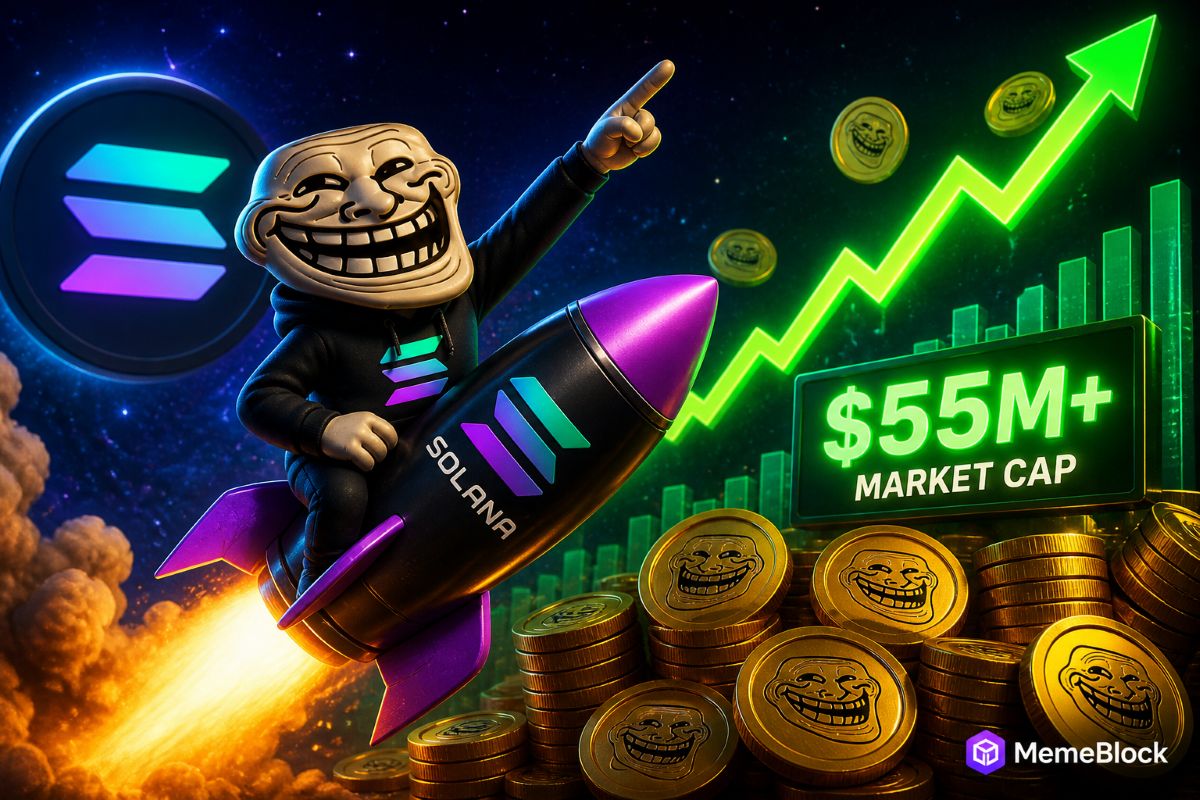
In a market already known for absurdity, Solana’s satirical token USOR (U.S. Oil Reserve) has taken 2026 by storm, becoming the most viral joke-with-a-wallet the crypto world has seen this year. What started as a tongue-in-cheek parody of geopolitical narratives has snowballed into a full-blown social media phenomenon, fuelled by meme culture, fast-moving traders, and Solana’s lightning-speed infrastructure.
While USOR carries no claim to real oil, reserves, or government backing, that hasn’t stopped it from dominating crypto timelines, Telegram rooms, and on-chain analytics dashboards worldwide.
What Is USOR and Why Is It Everywhere?
USOR, short for “U.S. Oil Reserve,” launched as a satire token on the Solana blockchain in early 2026. Its branding riffs on strategic oil reserves, energy politics, and the idea that everything, yes, even oil, can be “tokenized.”
The project’s creators made no promises of utility, dividends, or governance. Instead, they leaned fully into transparency, labelling USOR as a meme-driven satire play from day one. That honesty appears to be a key reason behind its rapid adoption.
Within days of launch, USOR-related memes flooded X (formerly Twitter), Reddit, and TikTok, often poking fun at macroeconomics, inflation hedges, and the crypto industry’s obsession with narratives.
Solana’s Speed Turns Satire Into a Trading Frenzy
USOR’s viral rise is closely tied to Solana’s ecosystem. Low transaction fees and near-instant settlement allowed thousands of retail traders to jump in without the friction seen on older blockchains.
On-chain data shows USOR reaching tens of thousands of unique wallet holders in a matter of weeks, a pace typically reserved for top-tier memecoins. Decentralized exchanges on Solana reported sharp spikes in volume as traders rotated out of more “serious” tokens into what many described as a pure vibes trade.
Crypto influencers amplified the trend, framing USOR as a cultural bet rather than a financial one an important distinction that resonated with Gen Z traders in particular.
Satire Tokens Are Becoming a 2026 Market Narrative
USOR’s success highlights a broader shift in crypto markets. In 2026, satire tokens are no longer niche jokes; they’re becoming a recognizable asset class within the memecoin sector.
Unlike traditional memecoins that rely on mascots or animals, satire tokens anchor themselves to real-world themes, politics, commodities, or institutions while exaggerating them to absurd extremes. USOR’s mockery of oil-backed value narratives hit a nerve during a year marked by energy market uncertainty and renewed inflation debates.
Market analysts say these tokens thrive because they offer commentary as much as speculation, making them highly shareable and algorithm-friendly.
Risks Remain Despite the Hype
Despite its viral status, USOR remains highly speculative. Price swings of 20% to 40% in a single day have been common, and liquidity can shift quickly as attention moves elsewhere.
Developers behind the token have repeatedly reminded users that USOR is satire, not a financial product. There is no roadmap promising long-term development, and no mechanisms designed to stabilize prices.
Still, that hasn’t slowed demand. For many traders, the risk is part of the appeal.
Why USOR Matters Beyond the Meme
USOR’s breakout moment signals how fast crypto culture evolves. In 2026, attention is currency, and projects that understand internet humour often outperform those with complex whitepapers.
Whether USOR fades as quickly as it rose or cements itself as a defining meme of the year, its impact is already clear: satire, speed, and storytelling now drive market momentum as much as fundamentals.
For better or worse, USOR proves that in crypto, even fake oil can pump if the joke lands at the right time.