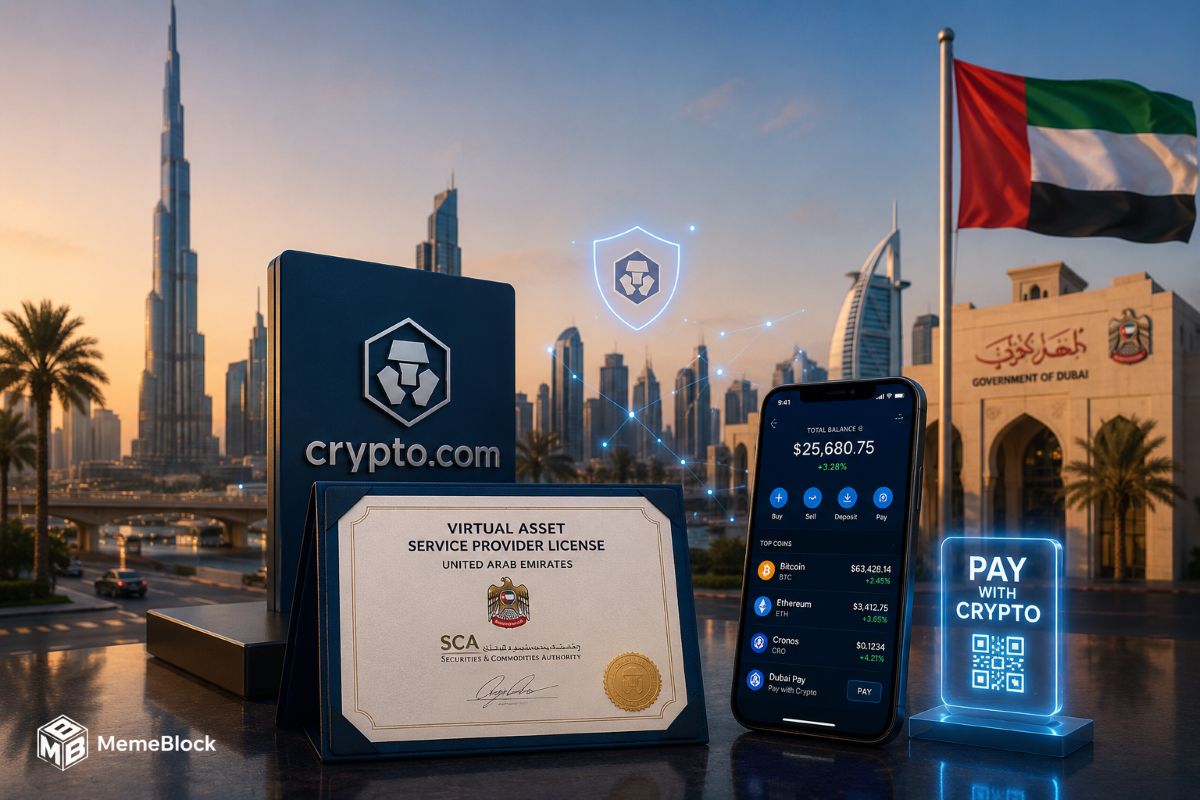
The United Arab Emirates has steadily moved from regional growth leader to a global powerhouse. This progress is driven by strong macroeconomic performance, strategic diversification, and rising influence in technology, finance, and soft power. Recent international reports and rankings show the UAE consolidating gains across growth forecasts, competitiveness, passport strength, and talent attraction. This combination is reshaping how governments and businesses view the Gulf hub.
Economic momentum: resilient growth and diversification
The UAE’s economy is posting above-average expansion for 2025 as oil output rebounds. Meanwhile, non-hydrocarbon sectors, tourism, logistics, finance, and technology, continue to scale. Multilateral institutions and central bank updates project growth in the mid-to-high single digits for the medium term. This trend reflects the country’s ability to translate fiscal headroom and sovereign investment into private-sector dynamism and export diversification. These forecasts underpin investor confidence and are central to claims that the UAE now ranks among the world’s economic power centers.
From passport power to soft-power influence
Beyond GDP, the UAE’s global footprint is widening through diplomacy, major events, and people-to-people links. International passport indexes again place the UAE at or near the top globally. This eases business travel and strengthens mobility for citizens and residents. It is a practical advantage when competing for talent and capital. At the same time, Brand Finance and other reputation measures place the UAE firmly inside the top tier of national brands, signaling growing trust and international clout.
Tech, AI, and digital finance: building future readiness
Strategic investments in artificial intelligence, cloud infrastructure, and a pro-innovation regulatory environment have pushed the UAE into global conversations about AI talent and digital asset adoption. Recent indexes show the UAE ranking among the world’s leaders for AI talent density and rapid crypto and tokenization adoption. These are indicators that the country is not just consuming technology but shaping market structures and governance for new industries. That ecosystem effect is a major reason analysts now refer to the UAE as a technological and financial powerhouse.
Investment climate and competitiveness gains
Competitiveness surveys and government data highlight structural reforms. From business-friendly corporate rules to free-zone expansion and public investment vehicles, these make the UAE attractive for multinational headquarters, sovereign, and private investment. The country’s climb in global competitiveness rankings has coincided with policies aimed at improving the ease of doing business. This includes regulatory clarity for emerging sectors and incentives that lower operating friction for international firms.
Challenges and the path ahead
Being a “global powerhouse” is not without challenges. The UAE must manage geopolitical risks, sustain social inclusion amid rapid labor market shifts, and ensure regulatory frameworks keep pace with new technologies. In addition, maintaining financial stability is crucial. Continued success will depend on balancing growth with resilience. This involves investing in human capital, strengthening institutional transparency, and deepening regional and global economic ties.
What this means for readers and investors
For businesses and investors, the UAE’s multi-vector rise suggests more opportunities in regional hub strategies, tech partnerships, and new financial products. For policymakers, the UAE offers a case study in rapid transformation. Coordinated public investment, liberalized mobility, and targeted regulatory openness can accelerate a small state’s global influence.