The world of cryptocurrency continues to evolve, and XRP, developed by Ripple Labs, stands out as one of the most discussed and innovative digital assets. Designed to make international payments faster, cheaper, and more efficient, XRP has positioned itself as a leading blockchain solution for financial institutions worldwide. This article will guide you through everything you need to know to learn XRP, from its origin and technology to its use cases and future potential.
What Is XRP?
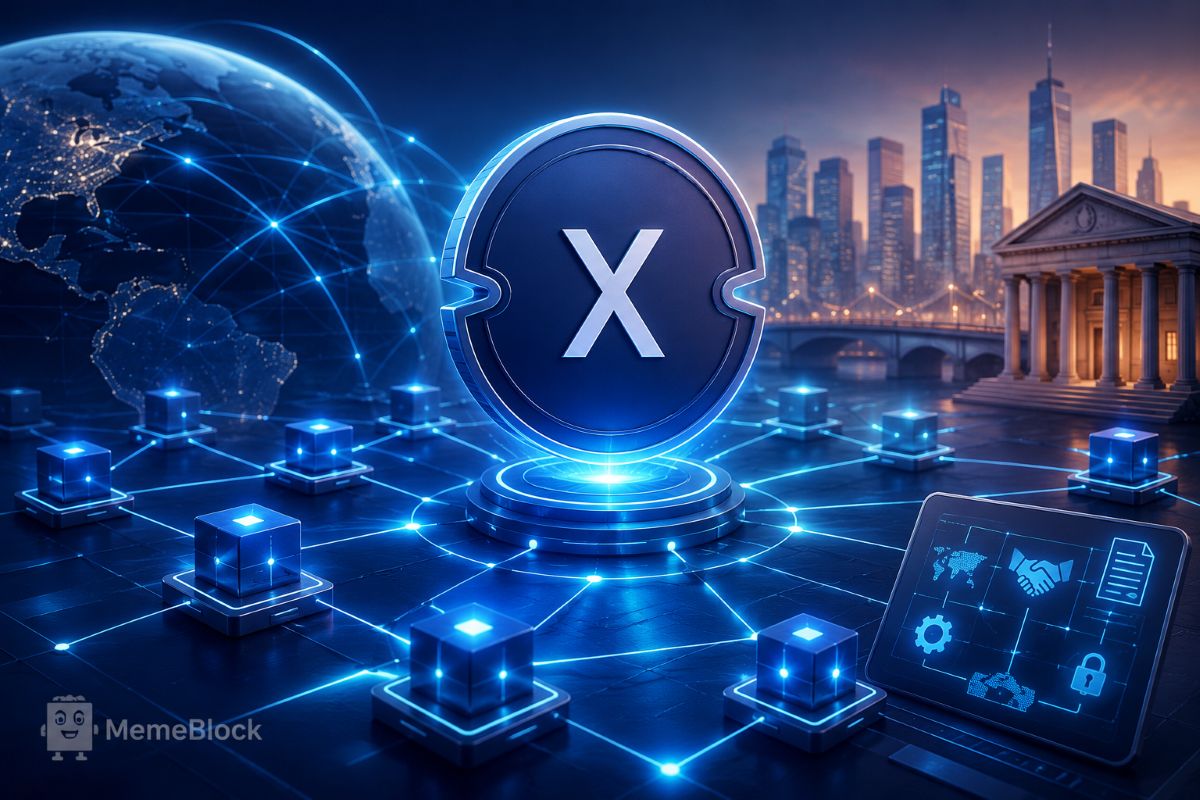
XRP is a digital currency created by Ripple Labs in 2012 to facilitate instant cross-border money transfers. Unlike Bitcoin and Ethereum, which rely on proof-of-work or proof-of-stake systems, XRP operates on a consensus ledger verified by independent validators. This design makes it faster, more scalable, and energy-efficient compared to many other cryptocurrencies.
The XRP Ledger (XRPL) is open-source and decentralized, meaning anyone can participate in the network, verify transactions, or build on its ecosystem. Its key function is to act as a bridge currency that enables financial institutions to settle international transactions in seconds.
How XRP Works
The XRP Ledger validates transactions through a consensus protocol, confirming transactions within 3 to 5 seconds. This allows for ultra-fast settlement times and low transaction fees, often costing less than $0.01 per transfer.
When two banks need to send money internationally, instead of relying on traditional SWIFT systems that take days and incur high fees, they can use XRP as an intermediary currency. For example, Bank A in the U.S. can convert USD to XRP, send it to Bank B in Japan, which then converts XRP to JPY, all within seconds.
This efficient process reduces liquidity costs, enhances transparency, and improves cash flow management for banks and businesses.
Key Features of XRP
- Speed: Transactions finalize in under 5 seconds.
- Scalability: The network can handle over 1,500 transactions per second.
- Energy Efficiency: XRP consumes significantly less energy than Bitcoin or Ethereum.
- Low Cost: Transaction fees are among the lowest in the crypto industry.
- Liquidity Bridge: XRP acts as a bridge asset between multiple fiat currencies.
These attributes make XRP ideal for cross-border payments, remittances, and real-time settlements.
Use Cases of XRP
- Banking and Financial Institutions:
Ripple’s On-Demand Liquidity (ODL) service uses XRP to settle international payments instantly, reducing reliance on pre-funded accounts. - Remittance Services:
Companies like Tranglo and SBI Remit leverage XRP to cut remittance costs, making it a popular tool in the global payments industry. - Developers and Enterprises:
The XRPL enables developers to build decentralized applications (dApps) and issue custom tokens, expanding XRP’s utility beyond payments.
XRP vs. Bitcoin and Ethereum
| Feature | XRP | Bitcoin | Ethereum |
|---|---|---|---|
| Transaction Speed | 3–5 seconds | 10 minutes | 15 seconds |
| Transaction Cost | <$0.01 | $1–$5 | $0.50–$2 |
| Consensus Mechanism | Consensus Ledger | Proof of Work | Proof of Stake |
| Primary Use Case | Cross-border payments | Digital currency | Smart contracts |
As seen above, XRP’s primary advantage lies in speed, cost efficiency, and scalability, making it more suitable for financial settlements than Bitcoin or Ethereum.
Despite regulatory challenges, including the U.S. SEC vs. Ripple case, which largely concluded in Ripple’s favor, XRP continues to gain adoption across global financial institutions. With growing interest in central bank digital currencies (CBDCs) and tokenized finance, XRP could play a crucial role in connecting traditional banking systems with blockchain technology.
As cross-border payments become more digitalized, learning about XRP is vital for anyone interested in how blockchain is reshaping global finance.
Conclusion:
XRP continues to be a powerful tool for transforming global payments. Its speed, low cost, and scalability make it a standout digital asset in the cryptocurrency market. For those wanting to learn XRP and its real-world use cases, now is the perfect time to explore how it’s redefining the future of international finance.
FAQs
1. What makes XRP different from Bitcoin?
Unlike Bitcoin, which was designed as a decentralized currency, XRP focuses on facilitating fast and affordable international money transfers through Ripple’s network.
2. Is XRP decentralized?
Yes. While Ripple Labs develops on the XRP Ledger, the ledger itself is decentralized, maintained by a network of validators across the globe.
3. Can individuals use XRP?
Absolutely. Anyone can buy, sell, or transfer XRP using crypto exchanges or wallets that support the asset.
4. Is XRP a good investment in 2025?
While XRP has strong utility in the financial sector, investors should research and understand market risks before investing.
5. What wallets support XRP?
Popular wallets include Ledger Nano X, XUMM, and Trust Wallet, all supporting secure XRP storage and transactions.