In the fast-evolving world of cryptocurrencies, Tether (USDT) has emerged as one of the most trusted and widely used digital assets. As the first and most popular stablecoin, Tether bridges the gap between traditional finance and blockchain technology, providing stability in a market known for its volatility. This article explores what Tether is, how it works, its benefits, and why it plays a crucial role in the crypto ecosystem.
What is Tether (USDT)?
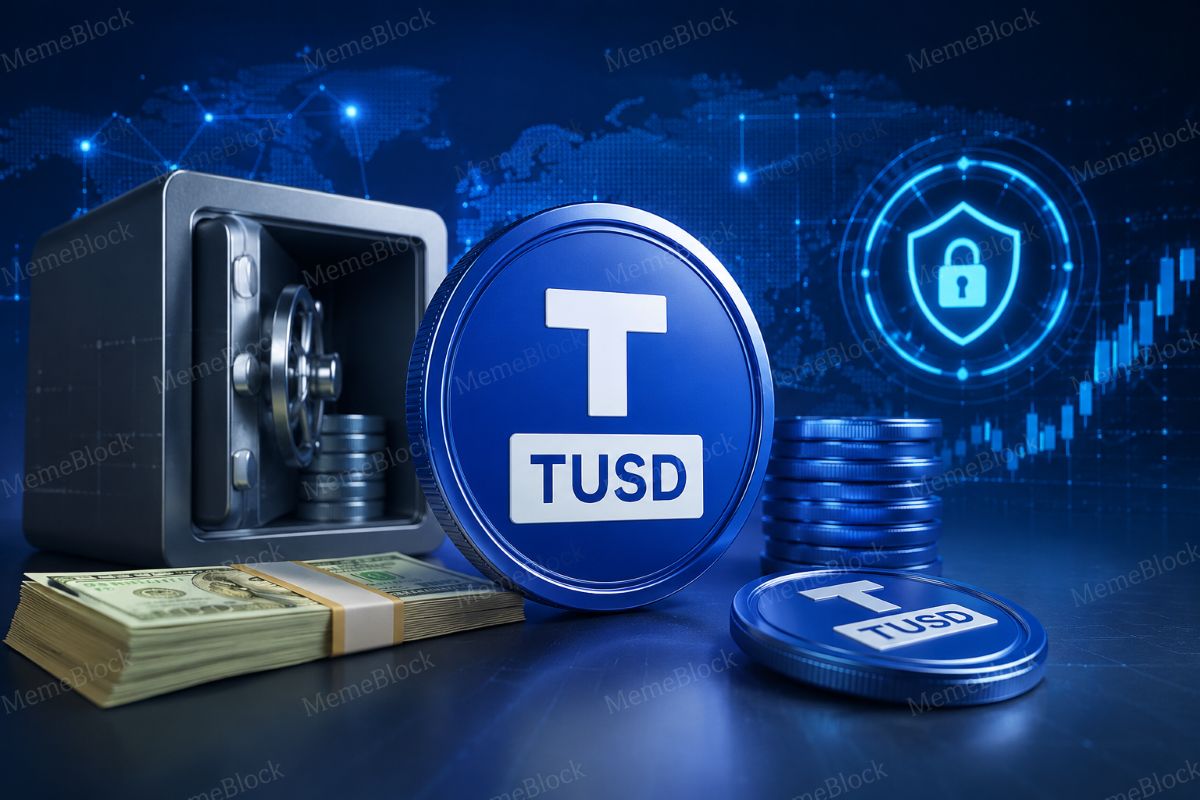
Tether (USDT) is a stablecoin designed to maintain a 1:1 value with the U.S. dollar. Unlike volatile cryptocurrencies such as Bitcoin or Ethereum, USDT’s value remains stable because it is pegged to fiat currency. This means for every USDT issued, there is an equivalent amount of real-world assets, such as cash or cash equivalents, held in reserve by Tether Limited.
Launched in 2014, Tether was built on the Omni Layer of the Bitcoin blockchain but has since expanded across multiple networks, including Ethereum (ERC-20), Tron (TRC-20), Solana, and Polygon, making it one of the most versatile digital currencies available.
How Does Tether (USDT) Work?
The key principle behind USDT is price stability. Each Tether token is backed by reserves that include fiat currency, treasury bills, and other cash equivalents. This reserve backing ensures that USDT maintains its peg to the U.S. dollar.
When users deposit dollars into Tether Limited, new USDT tokens are created and added to circulation. Conversely, when USDT tokens are redeemed, they are removed from circulation, maintaining the 1:1 ratio.
This mechanism has made Tether an essential tool for crypto traders, exchanges, and DeFi platforms, where stability and liquidity are crucial.
Why Tether (USDT) Matters in the Crypto Market
- Liquidity Provider:
Tether is widely used as a trading pair on major exchanges, allowing traders to move funds quickly between cryptocurrencies without converting back to fiat. - Price Stability:
In periods of market volatility, investors often convert volatile assets into USDT to hedge against price fluctuations. - Cross-Border Transactions:
USDT enables fast, low-cost international payments without relying on banks or centralized systems. - Integration with DeFi:
Decentralized finance (DeFi) platforms frequently use USDT for lending, borrowing, and yield farming, given its predictable value. - Mainstream Adoption:
Many businesses now accept USDT for payments, marking its growing presence beyond trading platforms.
Tether’s Transparency and Regulation
Tether has faced scrutiny in the past regarding its reserve transparency. However, the company now publishes regular attestation reports by third-party accounting firms, confirming that each USDT is fully backed by its reserves.
In 2025, Tether reported holding a significant portion of its reserves in U.S. Treasury bills, making it one of the largest non-government holders globally. This increasing transparency has strengthened confidence among investors and regulators.
Pros and Cons of Using Tether (USDT)
Pros:
- Stable value pegged to USD
- High liquidity across exchanges
- Fast and affordable transactions
- Widely supported across blockchains
- Useful for trading, payments, and DeFi
Cons:
- Centralized control under Tether Limited
- Potential regulatory challenges
- Dependence on reserve management transparency
How to Buy and Use Tether (USDT)
You can buy USDT through major cryptocurrency exchanges such as Binance, Coinbase, Kraken, and Bitfinex. After purchase, USDT can be stored in wallets compatible with its blockchain version, such as MetaMask, Trust Wallet, or Ledger.
Users can:
- Trade USDT against other cryptocurrencies
- Transfer funds globally within minutes
- Participate in DeFi applications for passive income
The Future of Tether (USDT)
As the stablecoin market grows, Tether remains a dominant force. With increasing transparency and global adoption, USDT continues to play a vital role in bridging the gap between traditional finance and decentralized ecosystems. Future developments may include enhanced regulatory compliance and integration with real-world assets (RWA), further solidifying its position as the leading stablecoin.
FAQs About Tether (USDT)
1. Is Tether (USDT) safe to use?
Yes, Tether is considered safe when used on reputable exchanges and wallets. However, always verify the contract address on your chosen blockchain to avoid scams.
2. How does Tether maintain its value?
Tether maintains its 1:1 peg with the U.S. dollar through reserves consisting of fiat currency and other cash-equivalent assets.
3. Can I earn interest with Tether?
Yes, many DeFi platforms allow users to stake or lend USDT to earn interest or yield.
4. What’s the difference between USDT and USDC?
While both are stablecoins pegged to the U.S. dollar, USDT is managed by Tether Limited, whereas USDC is issued by Circle, a U.S.-regulated company.
5. Is Tether available on multiple blockchains?
Yes, Tether is available on Ethereum, Tron, Solana, Polygon, and several others, offering flexibility for users.
Final Thoughts
Tether (USDT) remains the backbone of the crypto economy, enabling stability, liquidity, and trust in an otherwise volatile market. For both beginners and seasoned investors, learning how to use and manage Tether safely is a crucial step toward mastering the world of digital finance.