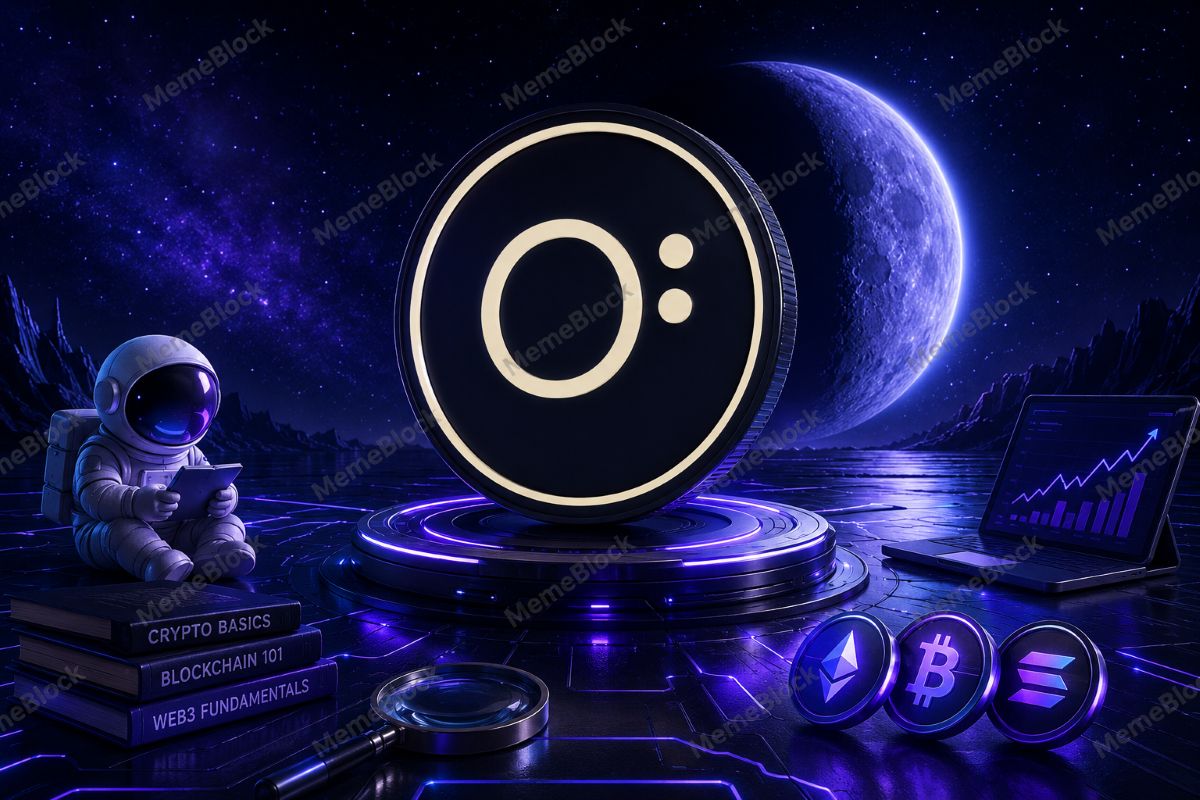
In a fast-moving crypto market where exchange tokens play a major role, OKB has quietly become one of the most established names in the space. Issued by OKX, OKB is designed as a utility token that powers the broader OKX ecosystem, offering trading perks, platform incentives, and long-term value mechanics.
This Learn Crypto explainer breaks down what OKB is, how it works, and why it continues to matter for both retail and institutional crypto users.
What Is OKB?
OKB is a utility token launched in 2018 by OKX, one of the world’s largest centralized cryptocurrency exchanges by trading volume. Originally issued as an ERC-20 token on Ethereum, OKB later expanded to OKX’s own blockchain infrastructure to support broader use cases.
At its core, OKB is built to reward users for participating in the OKX ecosystem. Think of it as a loyalty-and-utility token rolled into one, giving holders tangible benefits across trading, investing, and blockchain services.
How OKB Is Used on OKX
The primary use case for OKB is inside the OKX platform itself. Users who hold OKB can unlock lower trading fees across spot, margin, and derivatives markets. For active traders, these fee discounts can add up fast, making OKB a practical tool rather than just a speculative asset.
OKB is also used for:
- Participation in token sales and launchpad-style offerings
- Access to exclusive promotions and airdrops
- Payment for certain on-chain services within the OKX ecosystem
These built-in utilities give OKB consistent demand beyond simple market speculation.
OKB Tokenomics Explained
One of the biggest reasons OKB has held long-term relevance is its supply structure. OKB has a fixed maximum supply of 300 million tokens, and OKX runs a regular buyback-and-burn program funded by platform revenue.
This deflationary model gradually reduces circulating supply over time, which can support price stability during broader market cycles. Burn events are publicly disclosed, adding a layer of transparency that traders and investors tend to respect.
OKB’s Role Beyond the Exchange
OKB isn’t limited to just trading discounts. The token plays a growing role in OKX’s broader Web3 push, including wallets, decentralized applications, and blockchain infrastructure. OKB can be used in certain DeFi protocols, staking opportunities, and ecosystem partnerships supported by OKX.
As exchanges race to become full-stack crypto platforms, OKB functions as a connective asset tying centralized trading to decentralized services.
Is OKB a Security or Utility Token?
From a regulatory standpoint, OKB is positioned as a utility token rather than an investment contract. Its primary value comes from platform usage, fee reductions, and ecosystem access, not revenue-sharing or dividends.
That distinction matters, especially as global regulators tighten oversight on crypto assets. While regulations vary by jurisdiction, OKB’s structure aligns with how major exchange tokens are typically classified.
Why OKB Matters in Today’s Crypto Market
In a crowded market full of short-lived tokens, OKB stands out due to longevity, real-world utility, and consistent platform integration. OKX remains one of the most liquid exchanges globally, and OKB benefits directly from that scale.
For users who actively trade or engage with crypto services, OKB isn’t just another coin; it’s infrastructure. Its value is closely tied to OKX’s growth, innovation, and ability to stay competitive in an increasingly regulated environment.
Final Thoughts on OKB
So, what is OKB? It’s a utility-driven exchange token built for real usage, not hype. With clear tokenomics, platform demand, and expanding Web3 integration, OKB continues to play a meaningful role in the crypto ecosystem.
As always, users should do their own research and stay updated on market conditions, but OKB remains one of the more practical tokens in the exchange-token category.