Ethereum remains the world’s leading smart contract blockchain, but high gas fees and network congestion have pushed developers toward Layer-2 scaling solutions. One of the biggest names in this space is Arbitrum, along with its governance token, ARB. The network has become a major force in decentralized finance (DeFi), gaming, NFTs, and Web3 infrastructure thanks to faster speeds and lower costs.
What Is Arbitrum?
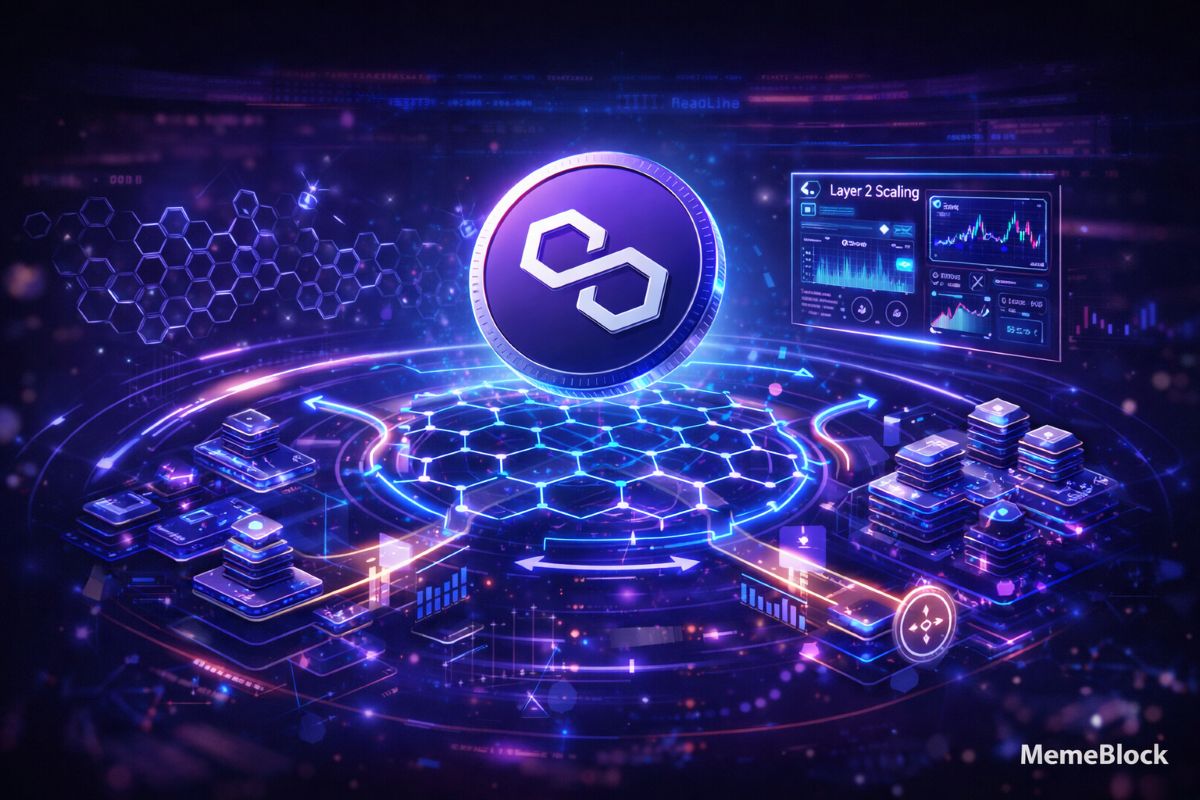
Arbitrum is an Ethereum Layer-2 scaling solution developed by Offchain Labs. It was designed to improve Ethereum’s scalability without sacrificing security. Instead of processing every transaction directly on Ethereum’s main chain, Arbitrum handles transactions off-chain and later settles them on Ethereum.
The project officially launched in 2021 and quickly became one of the largest Layer-2 ecosystems by total value locked (TVL). According to L2BEAT, Arbitrum remains among the most widely used optimistic rollups in the crypto market.
How Does Arbitrum Work?
Arbitrum uses a technology called an optimistic rollup. The system bundles thousands of transactions into a single batch before submitting them to Ethereum. This reduces congestion and significantly lowers gas fees for users.
The term “optimistic” means transactions are assumed to be valid unless someone challenges them during a fraud-proof period.
Here is the core concept behind optimistic rollups:
If fraudulent activity is detected, Ethereum validators can verify and reject invalid transactions. This process allows Arbitrum to inherit Ethereum-level security while delivering faster performance.
Why Is Arbitrum Popular?
One major reason behind Arbitrum’s growth is lower transaction costs. Ethereum gas fees can become expensive during periods of heavy activity, while Arbitrum transactions often cost only a fraction of the price.
Another advantage is compatibility with Ethereum-based applications. Developers can deploy Ethereum smart contracts on Arbitrum with minimal changes because the network supports the Ethereum Virtual Machine (EVM).
Popular DeFi platforms, decentralized exchanges, and blockchain games now operate on Arbitrum because of its scalability and strong liquidity ecosystem.
What Is the ARB Token?
ARB is the governance token of the Arbitrum ecosystem. It does not function as the gas token for transactions, since users still pay fees using ETH.
Instead, ARB gives holders voting rights within the Arbitrum DAO. Token holders can vote on upgrades, treasury allocations, and ecosystem development proposals.
The token launched in 2023 through one of the crypto industry’s largest airdrops. Since then, ARB has become a key governance asset within Ethereum’s Layer-2 economy.
Arbitrum One, Nova, and Orbit Explained
Arbitrum now includes several products within its ecosystem:
- Arbitrum One: The primary optimistic rollup network focused on DeFi and smart contracts.
- Arbitrum Nova: Built for gaming and social applications with lower fees.
- Arbitrum Orbit: Allows developers to launch custom Layer-3 chains on top of the Arbitrum infrastructure.
These solutions help businesses and developers create scalable blockchain applications without relying entirely on Ethereum’s base layer.
Challenges Facing Arbitrum
Despite its success, Arbitrum still faces competition from Layer-2 rivals like Optimism, zkSync, and Starknet.
Withdrawal times can also be slower than expected because optimistic rollups use a challenge period that may last around seven days. Some critics have additionally raised concerns about governance centralization and sequencer control.
Final Thoughts
Arbitrum has become one of the most important Ethereum Layer-2 networks in the blockchain industry. By combining lower fees, faster transaction speeds, and Ethereum-grade security, it provides a practical solution for scaling decentralized applications.
As Ethereum adoption continues growing, Layer-2 technologies like Arbitrum are expected to play an even larger role in the future of crypto infrastructure. For investors, developers, and Web3 users, understanding how Arbitrum works is becoming increasingly important in 2026.