Smart contracts are one of the most important ideas in blockchain, and honestly, one of the most misunderstood. If you’ve heard people say “code is law” or that blockchain can replace middlemen, smart contracts are the reason why. This guide breaks down what a smart contract is, how it works, and why it matters without the tech headache.
What Is a Smart Contract?
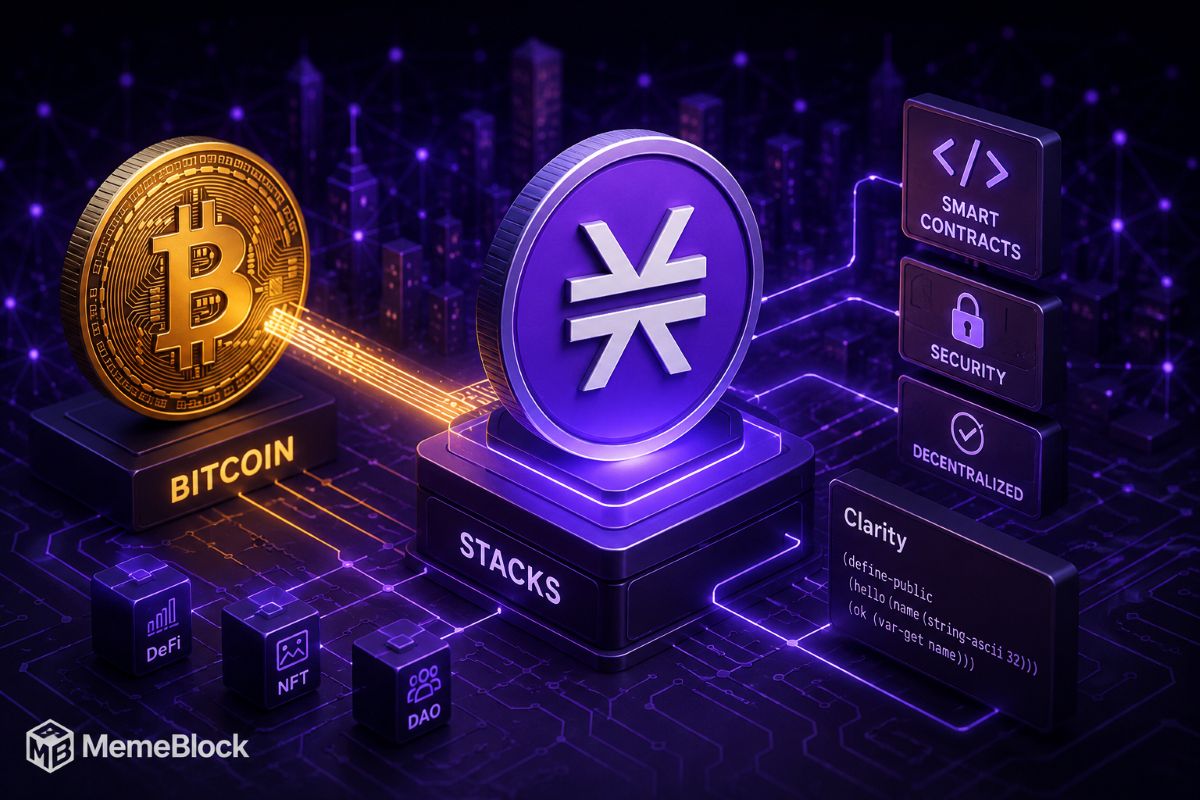
A smart contract is a self-executing digital agreement written in code and stored on a blockchain. Instead of relying on lawyers, banks, or escrow services, smart contracts automatically enforce the terms of an agreement when predefined conditions are met.
Think of it like a vending machine. You put in money, choose a snack, and the machine delivers, no cashier needed. Smart contracts work the same way, but for digital assets, payments, and agreements.
Once deployed on a blockchain, a smart contract runs exactly as programmed. No one can change it, pause it, or mess with the outcome unless the code allows it.
How Smart Contracts Actually Work
Smart contracts follow simple “if-this-then-that” logic:
- If payment is received
- Then ownership of an asset is transferred
The contract lives on a blockchain network, which verifies transactions and executes the contract automatically. Because blockchains are decentralized, thousands of computers confirm the result, making fraud or tampering extremely difficult.


Once triggered, the contract completes instantly and records the result permanently on the blockchain. That’s speed, transparency, and trust baked into code.
Key Features of Smart Contracts
Smart contracts stand out because they offer benefits that traditional contracts just can’t match:
- Automation: No manual approval or paperwork
- Trustless execution: No need to trust the other party
- Transparency: Anyone can audit public smart contracts
- Immutability: Code can’t be altered after deployment
- Cost efficiency: Fewer intermediaries, lower fees
These features are why smart contracts are the backbone of modern blockchain applications.
Real-World Uses of Smart Contracts
Smart contracts aren’t just theory; they’re already powering major industries:
Decentralized Finance (DeFi):
Smart contracts handle lending, borrowing, staking, and trading without banks.
NFTs and Digital Ownership:
Royalties, ownership transfers, and authenticity checks are automated.
Gaming and Metaverse Projects:
In-game assets and rewards are managed transparently.
Supply Chain Tracking:
Goods can be tracked and verified from origin to delivery.
Insurance Payouts:
Claims can be paid automatically when conditions are met, like flight delays or weather events.
These real-world smart contracts use cases show how code can replace slow, expensive systems.
Are Smart Contracts Safe?
Smart contracts are secure by design, but they’re not flawless. The biggest risk isn’t the blockchain; it’s bad code. If a smart contract has bugs or logic errors, hackers can exploit them.
That’s why reputable projects invest heavily in:
- Code audits
- Bug bounties
- Formal verification
Once deployed, a flawed contract is hard or impossible to fix. In blockchain, mistakes can be permanent.
Smart Contracts vs Traditional Contracts
Traditional contracts depend on courts and enforcement. Smart contracts depend on math and code.
| Traditional Contract | Smart Contract |
| Requires intermediaries | Runs automatically |
| Slow execution | Instant settlement |
| Can be disputed | Executes as written |
| Paper-based | Fully digital |
This doesn’t mean smart contracts replace lawyers entire but they dramatically reduce friction.
Why Smart Contracts Matter for the Future
Smart contracts are a core building block of Web3, decentralized apps, and the future of finance. They enable faster transactions, global access, and systems that don’t rely on centralized control.
As blockchain adoption grows, understanding smart contracts isn’t optional; it’s essential.
Smart contracts turn trust into code. And once you get that, blockchain finally makes sense.