Memecoins have become one of the most talked-about and misunderstood segments of the cryptocurrency market. From viral jokes to billion-dollar market capitalizations, these tokens blend internet culture with blockchain technology. This Learn Crypto guide explains what a memecoin is, how it works, its risks, and why it continues to attract global attention.
What Is a Memecoin in Crypto?
A memecoin is a type of cryptocurrency inspired by internet memes, pop culture references, or online communities rather than a traditional technological use case. Unlike Bitcoin or Ethereum, which were created to solve specific financial or computational problems, memecoins often start as jokes or social experiments.
The most well-known example is Dogecoin (DOGE), launched in 2013 as a parody of Bitcoin using the Shiba Inu “Doge” meme. Despite its humorous origin, Dogecoin gained massive popularity and mainstream recognition, especially after endorsements from public figures.
How Do Memecoins Work?
Technically, memecoins function like other cryptocurrencies. They are built on blockchain networks such as Ethereum, BNB Chain, Solana, or their own native chains. Many memecoins are created using existing token standards like ERC-20 or SPL, making them easy and inexpensive to launch.
Key characteristics include:
- Large or unlimited token supply
- Low per-token price
- Community-driven marketing
- Heavy reliance on social media trends
Most memecoins do not offer staking, governance, or utility at launch, though some later evolve to include decentralized finance (DeFi), NFTs, or gaming integrations.
Why Are Memecoins So Popular?
Memecoins thrive on community enthusiasm and viral momentum. Platforms like X (formerly Twitter), Reddit, Telegram, and TikTok play a major role in driving hype. When a memecoin trends online, trading volume can spike rapidly.
Other reasons for popularity include:
- Low entry barrier for retail investors
- High volatility and short-term profit potential
- Strong meme culture and relatability
- Celebrity mentions and influencer promotion
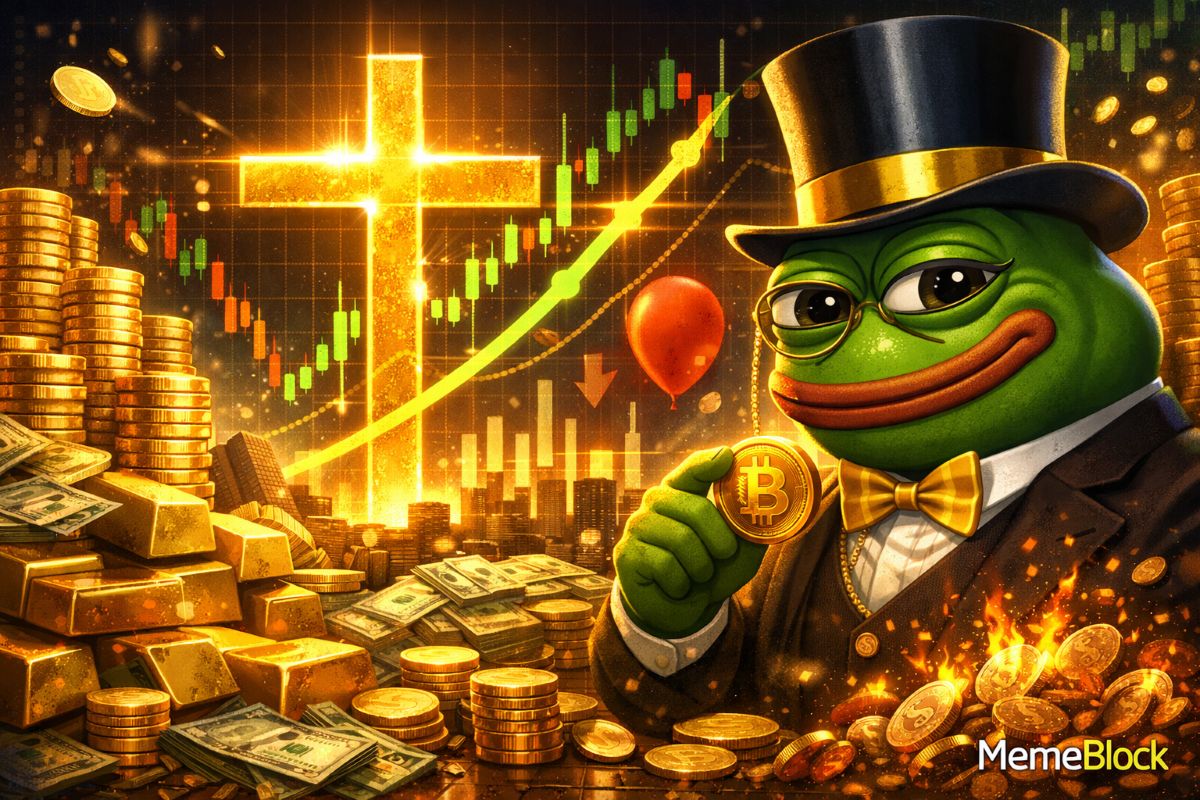
In recent years, memecoins like Shiba Inu (SHIB), Pepe (PEPE), and BONK have demonstrated how internet-driven narratives can translate into real market value.
Are Memecoins a Good Investment?
Memecoins are considered high-risk, speculative assets. While some early investors have seen massive gains, many memecoins experience extreme price volatility and rapid declines once hype fades.
Potential risks include:
- Lack of intrinsic utility
- Rug pulls and scam projects
- Whale-controlled token supplies
- No long-term development roadmap
However, not all memecoins are scams. Some projects have matured by building ecosystems, partnerships, and real-world use cases. Still, memecoins should generally be approached as short-term speculative plays rather than long-term investments.
Memecoins vs Traditional Cryptocurrencies
The main difference between memecoins and traditional cryptocurrencies lies in purpose and fundamentals. Bitcoin focuses on decentralization and scarcity, Ethereum enables smart contracts, while memecoins prioritize community engagement and entertainment value.
That said, market trends show that sentiment and attention can sometimes outweigh fundamentals, especially in bull markets.
Final Thoughts: Should Beginners Learn About Memecoins?
Understanding memecoins is essential for anyone learning crypto today. They reflect how culture, technology, and finance intersect in the digital age. While they can offer opportunities, they also demand caution, research, and disciplined risk management.
For beginners, memecoins are best explored as an educational tool, not a primary investment strategy. Always research the project, verify token details, and never invest more than you can afford to lose.