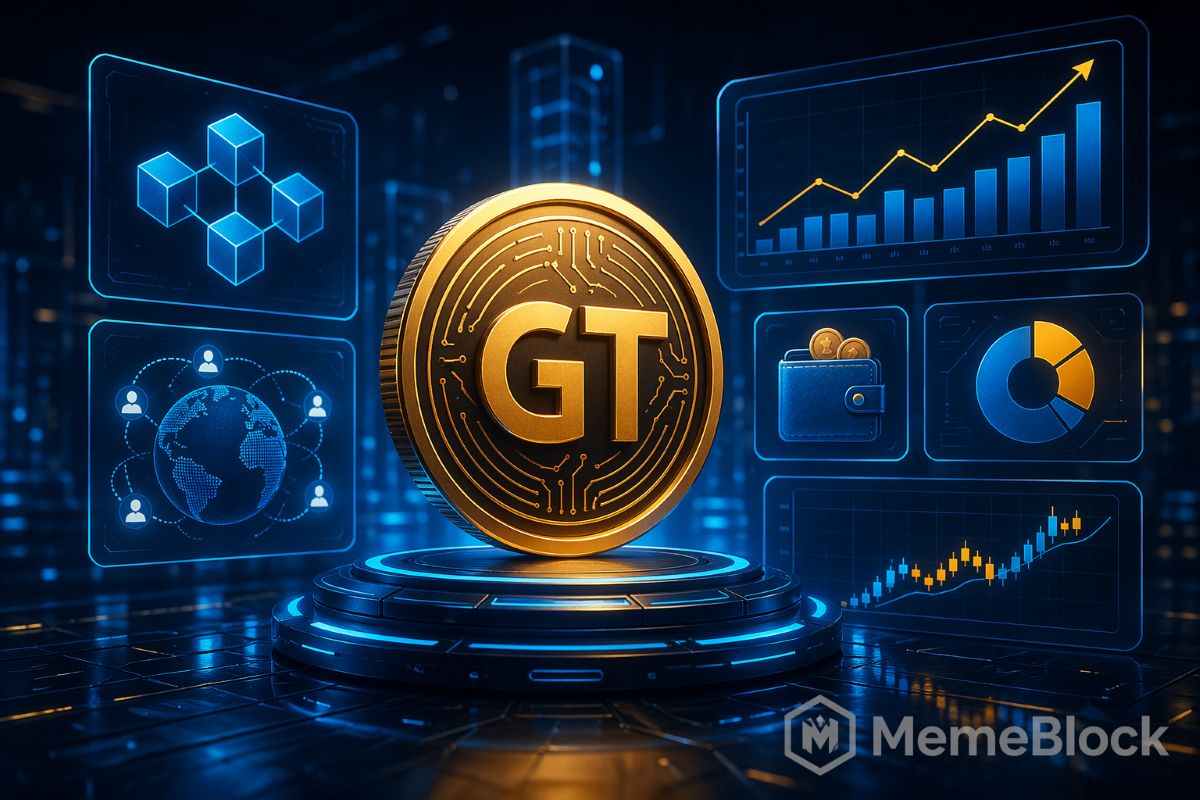
GateToken ($GT) has emerged as one of the most talked-about exchange tokens in the evolving cryptocurrency market. As the native digital asset of Gate.io, GT plays a critical role in powering a growing Web3 ecosystem. This article explores GateToken in detail, including its utility, tokenomics, latest developments, and future potential.
What Is GateToken ($GT)?
GateToken ($GT) is the native utility token of the Gate.io exchange and its underlying blockchain, GateChain. It functions as both a platform token and a blockchain asset, offering users multiple benefits across trading, staking, and decentralized applications.
Originally launched in 2019, GT was designed to create a seamless connection between centralized exchange services and decentralized blockchain infrastructure. It is now widely used for transaction fees, governance, and participation in ecosystem activities.
Key Features of GateToken GT
1. Utility Across Gate.io Ecosystem
GT provides trading fee discounts, VIP membership upgrades, and access to exclusive token sales and launchpad events. This makes it highly valuable for frequent traders.
2. Role in GateChain Blockchain
GateToken is the primary gas token used on GateChain, meaning it powers transactions and supports network operations such as staking and validation.
3. Governance and Rewards
Holders of GT can participate in governance decisions and earn rewards through staking programs, enhancing user engagement within the ecosystem.
GateToken Tokenomics and Supply Model
One of the most important aspects of GateToken is its deflationary model. The initial supply was around 300 million tokens, but a significant portion has been permanently burned over time.
Gate.io regularly conducts buyback and burn programs using a share of its revenue, reducing circulating supply and potentially increasing scarcity. This mechanism is often seen as a positive factor for long-term value growth.
Recent Developments (2026)
As of 2026, GateToken continues to evolve alongside the expansion of Gate.io’s Web3 ecosystem. A key development is the growth of Gate Layer, a Layer 2 solution designed for faster transactions and lower fees. GT acts as the mandatory gas token for this network as well.
However, market analysts note short-term volatility due to token unlock events and broader crypto market conditions. For example, a notable token unlock in April 2026 introduced temporary selling pressure.
Advantages and Risks of GateToken
Advantages
- Strong integration within a major crypto exchange ecosystem
- Multiple use cases, including trading, staking, and governance
- Deflationary model supporting long-term value
Risks
- Price volatility due to market trends and token unlocks
- Dependence on the growth and regulatory status of Gate.io
- Competition from other exchange tokens like OKB or KCS
Future Outlook of GateToken ($GT)
The future of GateToken largely depends on the continued expansion of Gate.io and its blockchain infrastructure. Increased adoption of GateChain and Layer 2 solutions could drive demand for GT, especially as Web3 applications grow.
At the same time, investors should remain cautious of regulatory changes and market cycles that can impact price performance. Analysts suggest that GT’s long-term success will depend on ecosystem innovation and sustained user growth.
Conclusion
GateToken ($GT) stands out as a multifunctional cryptocurrency that bridges centralized and decentralized finance. With strong utility, a deflationary model, and ongoing ecosystem development, it remains a notable player in the crypto market. While it offers promising opportunities, understanding its risks and market dynamics is essential for informed decision-making.