If you’re looking to understand Cronos (CRO) cryptocurrency, this guide breaks down everything from its core fundamentals to real-world utility and future growth potential. Whether you’re new to crypto or exploring altcoins beyond Bitcoin and Ethereum, this article will provide clear insights into Cronos and why it matters in the evolving Web3 ecosystem.
What Is Cronos (CRO)? A Beginner-Friendly Explanation
Cronos (CRO) is the native utility token of the Cronos blockchain, a layer-1 smart contract platform developed by Crypto.com. The network is designed to support decentralized applications (dApps), decentralized finance (DeFi), and tokenized assets securely and efficiently. It’s EVM-compatible, which means it uses the same architecture as Ethereum, allowing developers to deploy Ethereum-based apps easily.
Cronos aims to become a core infrastructure provider in the future Web3 economy, including AI-powered finance and cross-chain interoperability.
Key Uses of CRO Token: Utility & Real World Demand
1. Transaction Fees and Network Utility
CRO is used to pay transaction fees on the Cronos blockchain, similar to how ETH is used on Ethereum. This means every action on the Cronos platform, like sending tokens or interacting with DeFi protocols, requires CRO as “gas.”
2. Staking & Earning Rewards
Investors can stake CRO to secure the network and earn passive income. Staking mechanisms help reduce circulating supply and encourage long-term holding.
3. DeFi, DeFi Lending & Borrowing
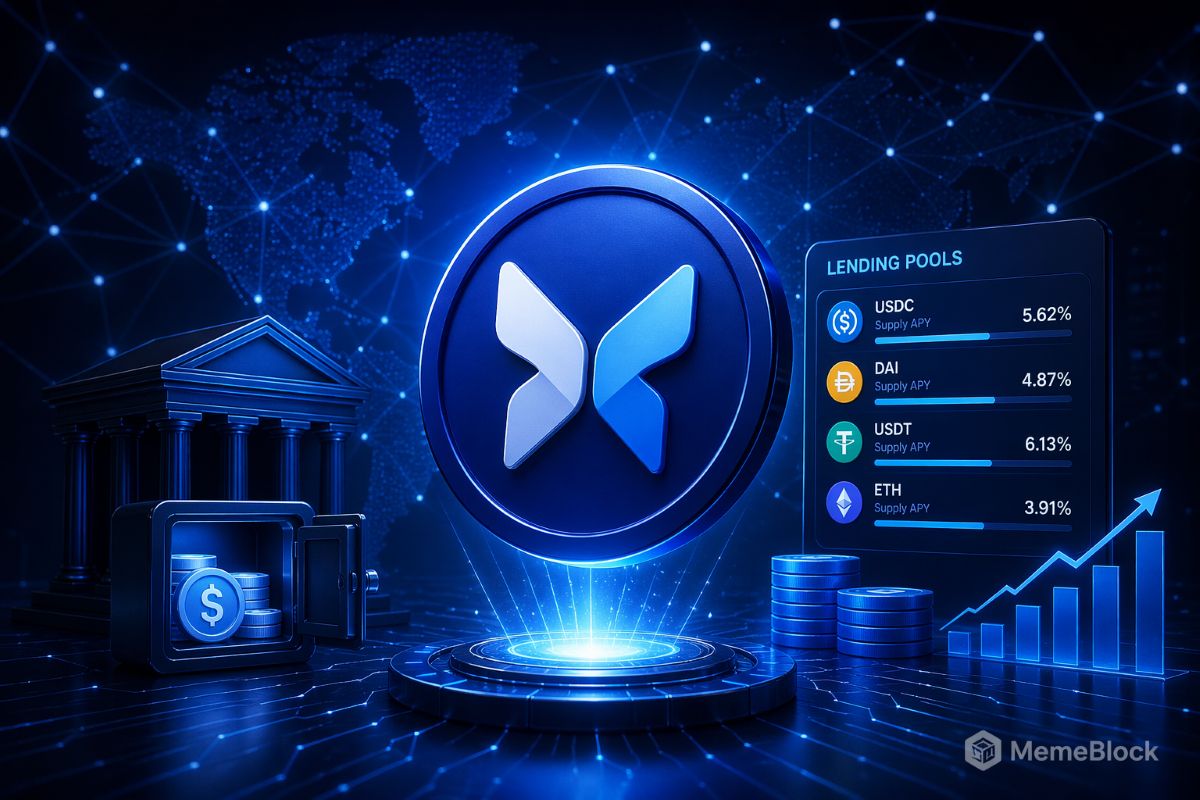
Cronos integrates with DeFi platforms, allowing users to borrow, lend, and earn yield. Projects like Morpho bring lending markets to Cronos with significant Total Value Locked (TVL).
4. Real-World Integrations & Partnerships
Recent developments include collaborations with Amazon Web Services (AWS) to push institutional tokenization and adoption of real-world assets (RWA).
Cronos Price & Market Overview (2025–2026)
Cronos has shown periods of high volatility and strong investor interest:
- In 2025, CRO experienced rallies and retracements, with key Fibonacci support levels acting as price anchors.
- Institutional interest from large treasury initiatives linked with major partners has boosted demand.
- Price predictions vary widely, with some models projecting moderate gains, while others suggest CRO could trade higher during bullish market cycles.
Note: Crypto markets remain highly volatile. Price forecasts are speculative and not financial advice.
Long-Term Growth Indicators for CRO
1. Strategic Partnerships
The formation of a high-profile treasury company involving Crypto.com and Trump Media signals growing institutional appeal and utility for CRO beyond standard exchange usage.
2. Tokenomics & Supply Dynamics
Recent token burns (like the ~183 million CRO burned) help reduce supply and can positively affect scarcity.
3. Development Roadmap
Cronos continues to update its roadmap with ambitious goals for expansion through 2026, including scaling dApps, tokenization infrastructure, and ecosystem tools.
How Does Cronos Compare to Other Blockchains?
Unlike some mme-driven cryptos that rely mostly on social buzz, analysts often highlight Cronos’ hybrid model, focusing on EVM compatibility, DeFi growth, and real-world use cases as a foundation for longer-term adoption.
This structural difference matters because networks with real developer activity and utility often see more sustainable demand compared to tokens driven mostly by speculation.
Conclusion: Why Cronos Matters in 2026
Cronos (CRO) stands out as more than just another altcoin it is a utility token powering a growing blockchain ecosystem with real use cases in DeFi, staking, tokenization, and cross-chain finance. With strategic partnerships, evolving infrastructure, and developer-friendly features, CRO remains a compelling project for those exploring the broader crypto market.
However, always remember that cryptocurrency investment carries risk, and you should do your own research before making decisions.