Chainlink has grown into one of the most influential blockchain projects in the crypto ecosystem, powering data connectivity for thousands of decentralized applications. As blockchain adoption accelerates, the demand for reliable real-world data within smart contracts is rising, and Chainlink sits at the center of that movement.
What Is Chainlink?
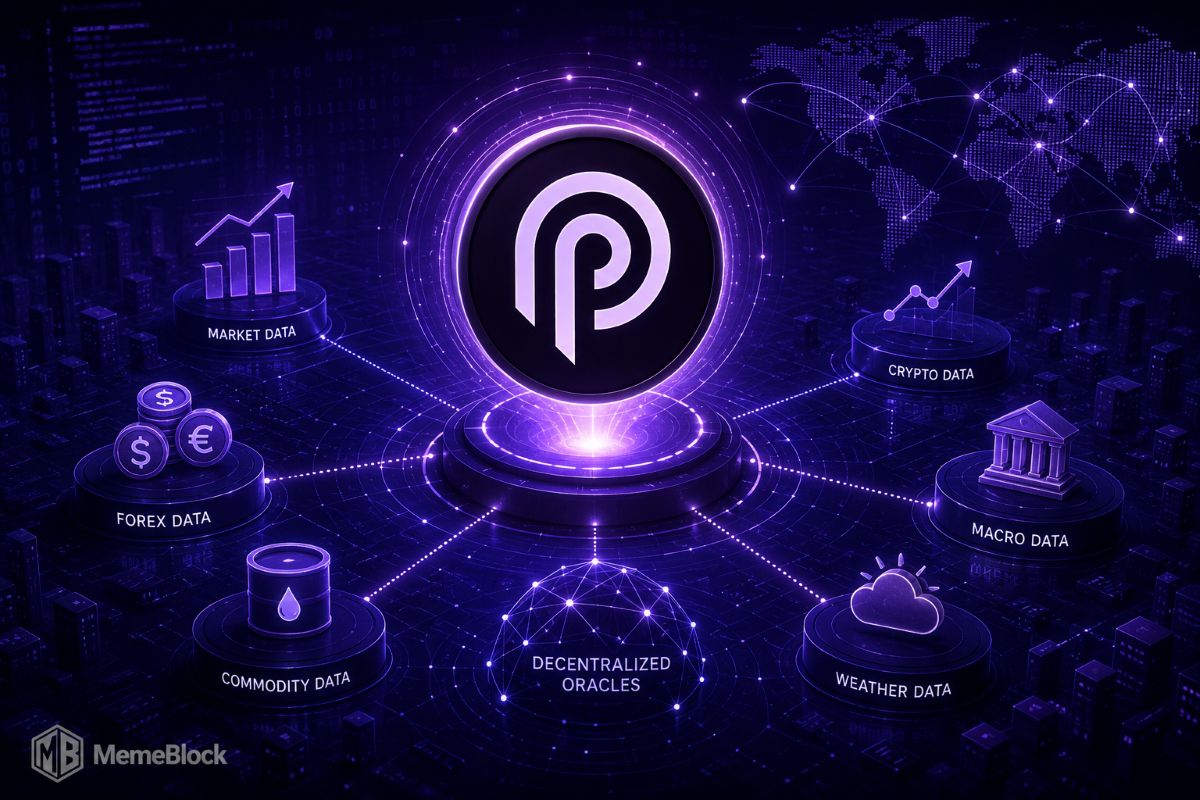
Chainlink is a decentralized oracle network that connects blockchains with real-world data. While blockchains can securely store and process information, they cannot natively access external data sources such as market prices, weather updates, sports scores, or payment systems. This limitation restricts the potential of smart contracts.
Chainlink solves this problem by providing secure, tamper-proof data feeds for smart contracts, enabling decentralized applications to interact with real-world data in a trust-minimized manner. Its native token, LINK, powers the network by incentivizing node operators who deliver accurate data.
Why Chainlink Matters in the Crypto Ecosystem
Over the years, Chainlink has become a critical infrastructure layer for DeFi, gaming, insurance, real estate tokenization, and more. Projects rely on Chainlink for reliable price feeds, which ensure fairness, accuracy, and security in smart contract executions.
Key benefits of Chainlink include:
- Decentralization: Data is sourced from multiple independent nodes to prevent manipulation.
- Security: Chainlink uses cryptographic proofs and reputation systems to ensure high-quality data.
- Scalability: The network supports thousands of decentralized apps (dApps), making it one of the most adopted oracle solutions.
- Flexibility: Chainlink offers a broad suite of services beyond price feeds, including randomness generation (VRF), cross-chain communication (CCIP), and automation tools.
How Chainlink Works: A Simple Breakdown
Chainlink operates through a network of independent node operators who fetch, verify, and deliver external data to blockchains. Here’s how it works:
- Smart Contract Requests Data
A decentralized application submits a request for real-time information, such as the price of Bitcoin. - Chainlink Nodes Retrieve Data
Multiple nodes gather data from verified external sources, ensuring decentralization. - Aggregation and Validation
Chainlink’s protocol aggregates the data, filters out anomalies, and delivers a final trusted value to the smart contract. - Smart Contract Executes
Once the contract receives reliable data, it executes its functions automatically.
This structure eliminates single points of failure, making Chainlink highly reliable.
Popular Use Cases of Chainlink
1. Decentralized Finance (DeFi)
Chainlink Price Feeds power lending protocols, derivatives platforms, and stablecoin systems. Services like Aave, Synthetix, and Curve depend on Chainlink to prevent manipulation and liquidation errors.
2. Gaming and NFTs
Chainlink VRF provides verifiable randomness, ensuring fairness in blockchain gaming, loot drops, and NFT minting.
3. Insurance Protocols
Smart insurance contracts use Chainlink weather and flight data feeds to automate payouts.
4. Tokenization & Real-World Assets (RWA)
Chainlink CCIP enables secure cross-chain communication, supporting real-world asset settlement across multiple blockchains.
FAQs
What is the LINK token used for?
LINK is the utility token of the Chainlink network. It compensates node operators for retrieving, validating, and delivering off-chain data.
Is Chainlink a blockchain?
No. Chainlink is a decentralized oracle network that works alongside blockchains by feeding them accurate real-world data.
Why is Chainlink important for DeFi?
DeFi relies on accurate market data. Chainlink’s reliable price feeds prevent manipulation, making platforms safer and more trustworthy.
Can Chainlink work with multiple blockchains?
Yes. Chainlink is blockchain-agnostic and supports Ethereum, Solana, Polygon, BNB Chain, and many others.
Is Chainlink still relevant in 2025?
Absolutely. With rising demand for real-world asset tokenization and cross-chain interoperability, Chainlink remains a core Web3 infrastructure provider.