What is USDC?
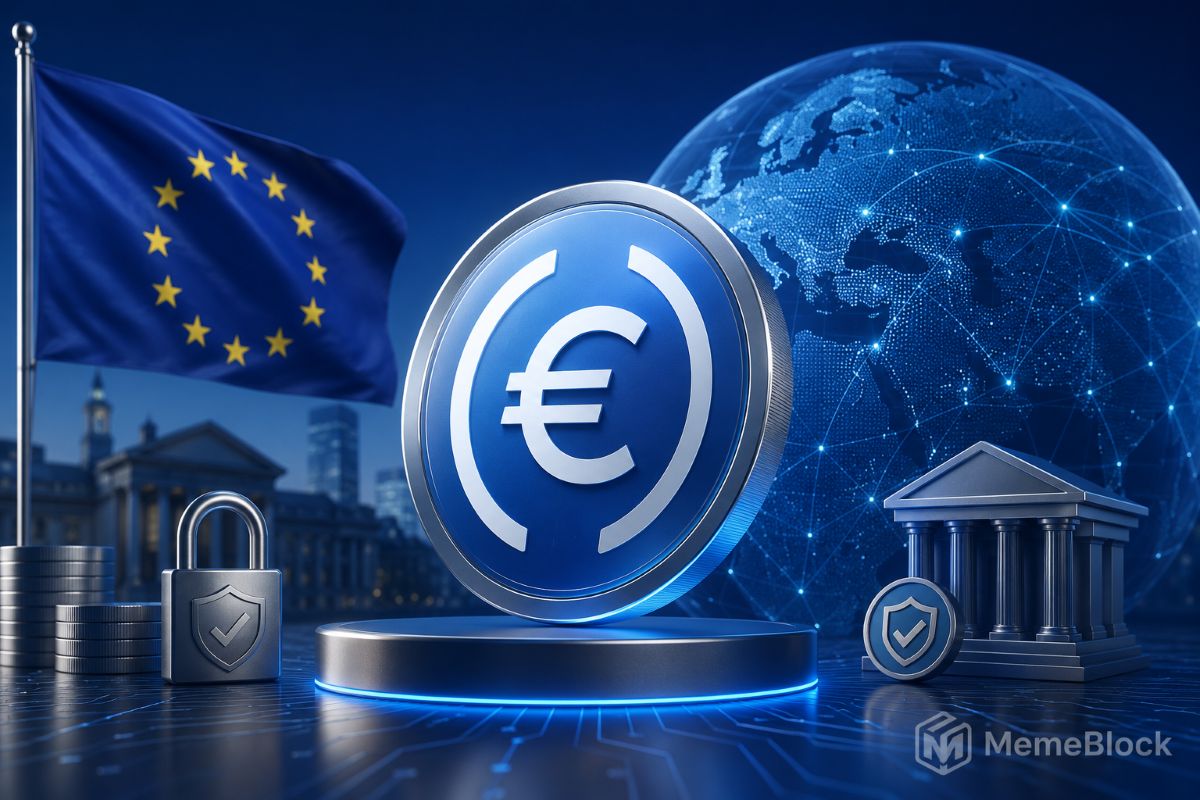
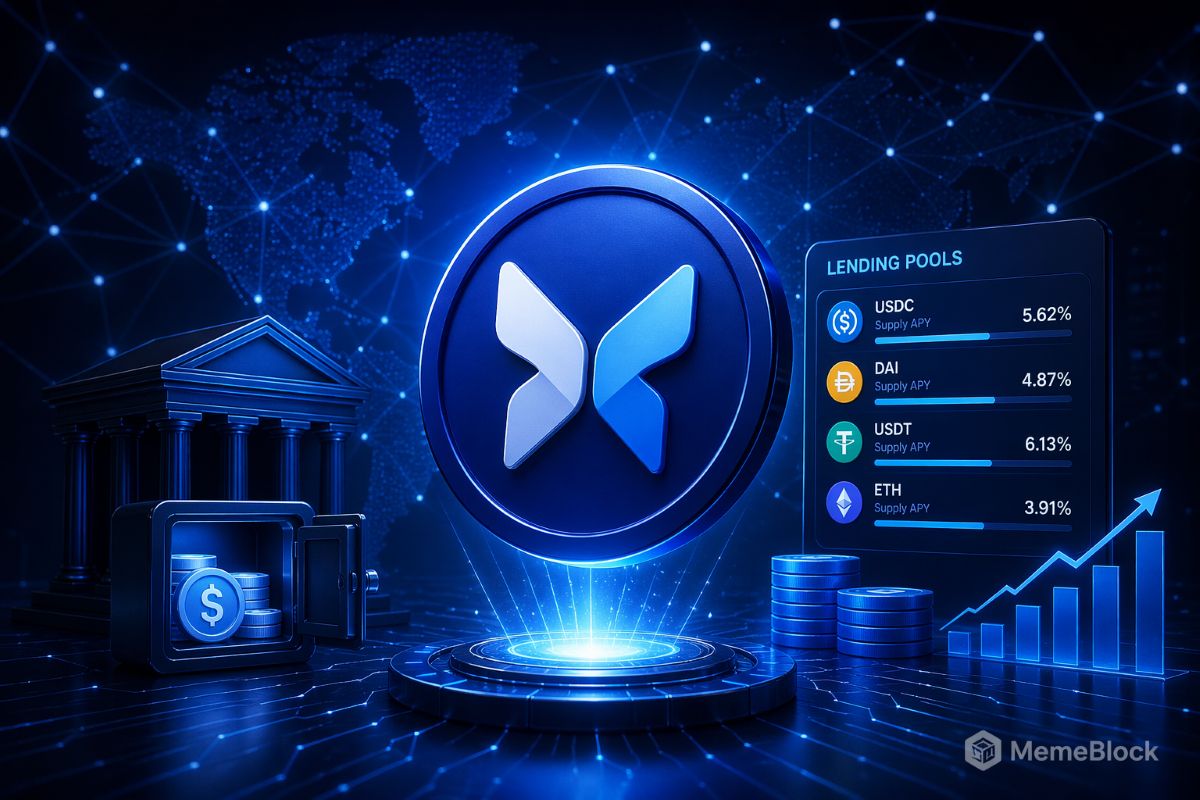
USD Coin (ticker USDC) is a fiat-backed stablecoin pegged 1:1 to the U.S. dollar. Unlike more volatile cryptocurrencies (e.g., Bitcoin or Ethereum) whose prices can swing widely, USDC is designed to maintain stable value by being fully backed by cash and cash-equivalent assets.
It was launched in September 2018 via the consortium Centre (founded by Circle Internet Group and Coinbase Global).
How USDC Works: Key Mechanics
- Issuance and backing: For every USDC token issued, there is an equivalent amount in U.S. dollar-denominated reserves (cash or cash-equivalent securities) held in regulated financial institutions, making it redeemable 1:1 for USD.
- Blockchain interoperability: USDC exists on multiple blockchain networks (e.g., Ethereum as ERC-20, plus others), so you can send, receive, and transact it like other tokens.
- Use cases: Because of its stability, USDC supports global payments, remittances, decentralized finance (DeFi) applications, trading pair usage, and cross-border transfers with near-instant settlement.
Why USDC Matters in Crypto & Finance
- Lower volatility: Crypto markets are often volatile. A stablecoin like USDC offers a less risky holding, acting as a “digital dollar” in crypto ecosystems.
- Transparency and regulation: The issuer emphasises transparency and regulatory compliance, which is often a key concern for stablecoin users.
- Financial interoperability: USDC bridges the fiat and crypto worlds, enabling digital value movement across borders and platforms more easily than traditional systems.
Potential Risks & Considerations
While USDC is designed for stability, there are still risks you should know:
- Issuer/Reserve risk: Although reserves are held and attested monthly, some historical events (e.g., banking issues) show stablecoins are not completely risk-free.
- Regulatory risk: Stablecoins face evolving regulation globally — changes in laws may impact how USDC operates, its backing requirements, or redemption mechanisms.
- Network/Blockchain risk: Because USDC runs on blockchains, issues like network congestion, interoperability limits, or deprecated networks may impact usability. For example, USDC stopped issuing new tokens on the TRON network in 2024.
How to Use USDC: Practical Tips
- Hold as a digital dollar proxy: Use USDC in your crypto wallet to reduce exposure to high volatility while staying in the crypto ecosystem.
- Send money internationally: You can transfer USDC across borders faster and at a lower cost compared with traditional bank wires (depending on blockchain fees).
- DeFi participation: USDC is often used as a base stablecoin for yield-farming, lending, or trading. But always assess platform risk separately.
- Redemption: If you hold USDC through a wallet/exchange, ensure you understand how to redeem tokens for USD (or equivalent) if needed. The issuer claims 1:1 redemption.
Summary
In short, USDC offers a regulated, dollar-backed stablecoin option within the crypto world. It provides an anchor of value amidst highly volatile assets, supports global digital payments, and acts as a bridge between fiat and crypto. That said, like all digital assets, it comes with its own set of risks, chiefly tied to reserve transparency, regulatory shifts, and network infrastructure. If you’re exploring crypto with a more conservative mindset or need a utility token for payments/remittances, USDC is a key coin to be aware of.
FAQs
Q1: Is USDC a cryptocurrency?
Yes, USDC is a cryptocurrency token (a stablecoin) that runs on blockchain networks, but unlike many cryptos, it is designed to maintain a stable value pegged to the U.S. dollar.
Q2: How is USDC different from a central bank digital currency (CBDC)?
USDC is issued by a private company (Circle) and functions on public blockchains; a CBDC would be issued by a government’s central bank.
Q3: Can I redeem USDC for US dollars anytime?
The issuer claims each USDC is redeemable 1:1 for U.S. dollars, supported by reserves. However, actual redemption may depend on the wallet/exchange you use and any jurisdictional restrictions.
Q4: Are there fees or risks when moving USDC?
Yes, while the token value is stable, you still may pay blockchain transaction fees (“gas”), network delays, or encounter risk if moving across less supported blockchain networks.
Q5: Should I replace all my crypto holdings with USDC?
That depends on your investment goals. USDC offers stability, but lacks the upside growth potential of high-volatility crypto assets. It may be suitable for preservation, payments, or risk management rather than speculative gains.