The frenzy surrounding SpaceX’s historic public market debut has exposed a crucial lesson for crypto investors. Owning a token linked to a stock is not the same as owning the stock itself.
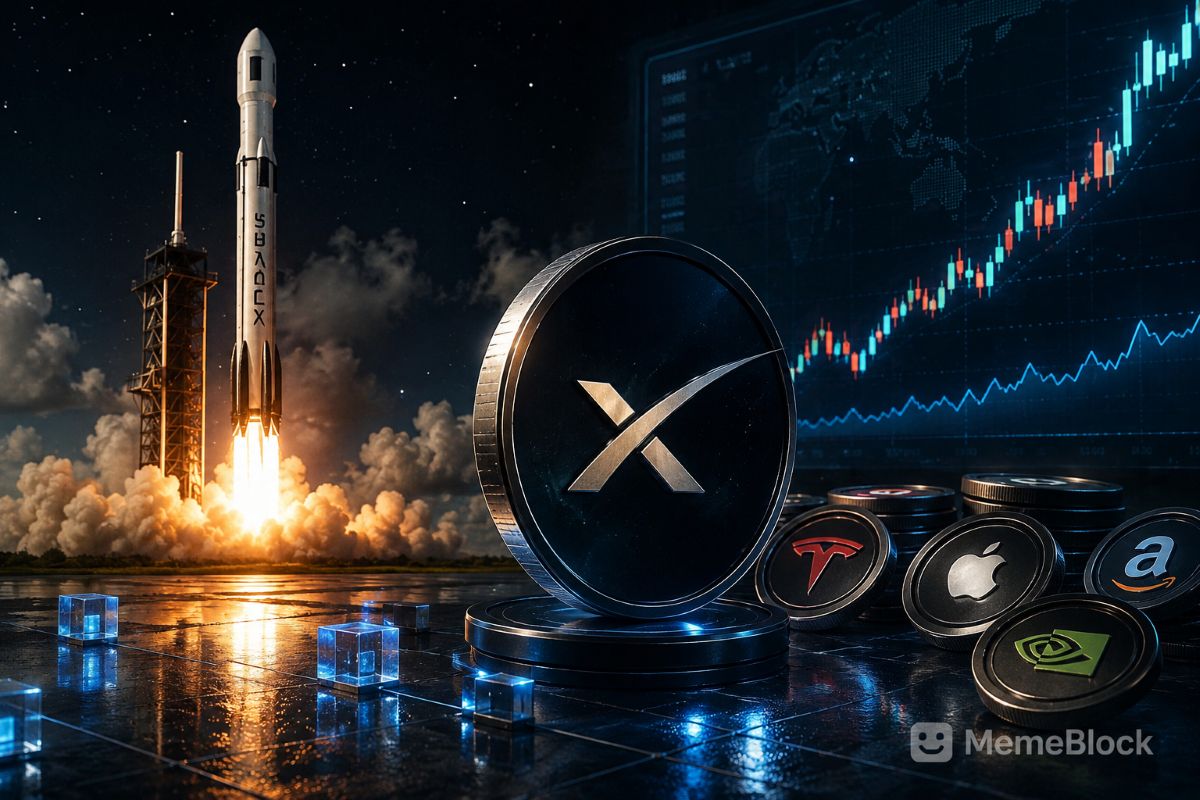
As demand for SpaceX shares surged ahead of its record-breaking IPO, several crypto platforms promoted tokenized versions of the company’s stock. These platforms promised easier access for global investors. However, when demand overwhelmed supply, many buyers discovered significant limitations with tokenized stock products. This was especially true when the underlying shares were scarce.
The situation has sparked renewed debate about the future of tokenized equities. It also raised questions about whether investors fully understand the difference between blockchain-based stock exposure and actual ownership.
SpaceX IPO Demand Creates a Stress Test for Tokenized Stocks
SpaceX’s long-awaited market debut generated unprecedented investor interest. Reports indicated that demand for tokenized SpaceX shares exceeded available supply by a massive margin. As a result, some crypto exchanges were forced to refund customer orders after failing to secure enough underlying SpaceX shares to back the tokens they planned to issue.
The event quickly became one of the most significant real-world tests of tokenized equity infrastructure.
Many investors believed purchasing a tokenized SpaceX asset would provide direct access to the IPO. Instead, they learned that tokenization cannot create stock ownership where no stock exists. If a platform cannot acquire the underlying shares, the token product cannot be fully backed as intended.
What Is a Tokenized Stock?
A tokenized stock is a blockchain-based digital asset designed to track the value of a publicly traded or private company’s shares.
These tokens are typically issued by a third-party platform that either holds the underlying stock or creates a financial structure tied to the stock’s performance. Investors can trade the token around the clock on supported crypto platforms. This is often with lower barriers to entry than traditional brokerage accounts.
However, tokenized stocks generally provide economic exposure rather than direct ownership. In many cases, holders do not receive voting rights, shareholder privileges, or direct legal claims to the underlying company shares.
Why Real Stock Ownership Still Matters
The SpaceX episode demonstrated that direct stock ownership carries benefits that tokenized products cannot always replicate.
Traditional shareholders are recognized owners of company equity. They may receive voting rights, access to shareholder communications, and direct participation in corporate actions, depending on the stock and jurisdiction.
By contrast, token holders often rely on intermediaries to manage the underlying assets. This introduces additional counterparty risk. Investors must trust that the issuing platform actually possesses and properly manages the shares backing the tokens.
When demand spikes during a highly anticipated IPO, access to actual shares becomes the critical factor. Blockchain technology can streamline trading and settlement, but it cannot eliminate the need to obtain the underlying asset.
The Future of Tokenized Equities Remains Bright
Despite the recent controversy, industry participants argue that the SpaceX situation should not be viewed as a failure of tokenization itself.
Supporters believe tokenized equities can expand market access, reduce settlement times, and allow investors worldwide to gain exposure to assets that were previously difficult to access. Furthermore, they argue that the technology may also improve liquidity and enable fractional ownership opportunities.
The challenge lies in ensuring transparency around what investors are actually buying. Clear disclosures about ownership rights, backing mechanisms, and redemption policies will likely become increasingly important as tokenized financial products gain mainstream adoption.
Market Takeaway for Crypto Investors
The SpaceX IPO scramble delivered a valuable lesson for both retail and institutional investors. Tokenization can make financial markets more accessible, but it does not automatically grant ownership of the underlying asset.
As tokenized stocks continue to gain traction across the crypto industry, investors should carefully examine whether a product represents true equity ownership or simply tracks the value of a stock. Understanding that distinction could prove crucial during future high-demand offerings.
For now, the SpaceX rush has underscored a simple reality: blockchain can tokenize access, but it cannot manufacture shares that do not exist.