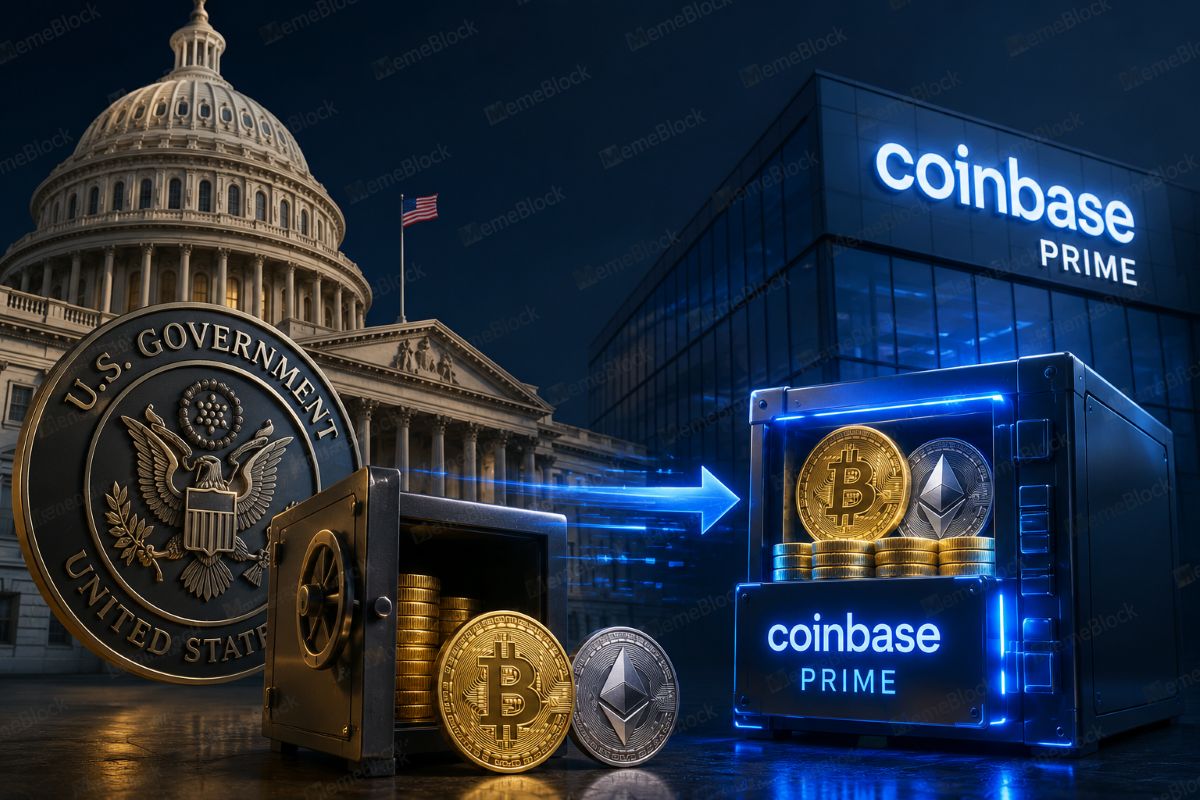
Fresh concerns over a potential Bitcoin sell-off from MicroStrategy, now operating under the Strategy brand, quickly faded after the company withdrew 411.5 BTC from Coinbase Prime just hours after depositing the same amount. The transfer, valued at roughly $30 million at prevailing market prices, had sparked speculation across the crypto market. Many believed that the firm’s long-standing Bitcoin accumulation strategy could be shifting. However, the rapid reversal cooled bearish sentiment and reassured investors. As a result, they believed the transaction was likely operational rather than a sign of liquidation.
MicroStrategy Bitcoin Transfer Sparks Market Speculation
Large Bitcoin transfers involving Strategy have historically attracted significant attention due to the company’s status as the world’s largest corporate Bitcoin holder. The firm, founded by executive chairman Michael Saylor, has built its reputation around aggressive BTC accumulation. Furthermore, it has consistently promoted Bitcoin as a long-term treasury reserve asset.
When blockchain trackers identified approximately 411.5 BTC moving to Coinbase Prime, traders immediately questioned whether the company was preparing to sell part of its holdings. Such concerns emerged amid heightened volatility across the broader cryptocurrency market. In such markets, large institutional transactions can influence short-term sentiment.
However, the fears proved short-lived. Within hours, the Bitcoin was reportedly withdrawn from Coinbase Prime. This suggested the transfer may have been related to custody management, collateral adjustments, or internal treasury operations. Moreover, it appeared it was not an outright sale.
Bitcoin Market Sentiment Stabilizes
The reversal helped stabilize market sentiment as investors interpreted the move as a continuation of Strategy’s long-standing commitment to holding Bitcoin. They viewed it as holding rather than distributing it into the market.
The company has repeatedly emphasized its Bitcoin-first corporate strategy over the past several years. As a result, any indication of selling activity tends to generate outsized reactions among traders and analysts. The latest episode demonstrated how sensitive the market remains to wallet movements linked to major institutional holders.
Bitcoin prices remained relatively resilient after the clarification emerged. Consequently, traders shifted their focus back toward broader macroeconomic factors and spot market demand.
BitMine Seizes Opportunity With $50 Million Ethereum Purchase
While Bitcoin-related speculation dominated headlines, another institutional player made a significant move in the Ethereum market.
BitMine reportedly acquired more than $50 million worth of ETH during the recent market dip. This signals growing confidence among institutional investors in Ethereum’s long-term prospects. The purchase comes at a time when Ethereum has faced pressure from broader market weakness. Nevertheless, Ethereum continues to attract attention from companies seeking exposure to digital assets beyond Bitcoin.
The transaction highlights a developing trend in which institutional buyers are increasingly diversifying crypto treasury strategies. While Bitcoin remains the dominant reserve asset for many corporations, Ethereum’s expanding role in decentralized finance, tokenization, and blockchain infrastructure is making it an attractive alternative for long-term investors.
Institutional Crypto Demand Remains Strong
The contrasting developments surrounding Strategy and BitMine underscore an important theme in today’s cryptocurrency market: institutional demand remains active despite short-term volatility.
Rather than signaling a reduction in exposure, Strategy’s Bitcoin withdrawal effectively reinforced confidence in its treasury approach. At the same time, BitMine’s sizable Ethereum purchase demonstrated that institutional investors continue to view market pullbacks as buying opportunities.
As the digital asset sector matures, large corporate transactions are likely to remain a key driver of sentiment. Investors will continue monitoring wallet activity, exchange flows, and treasury allocations for clues about where institutional capital is moving next.