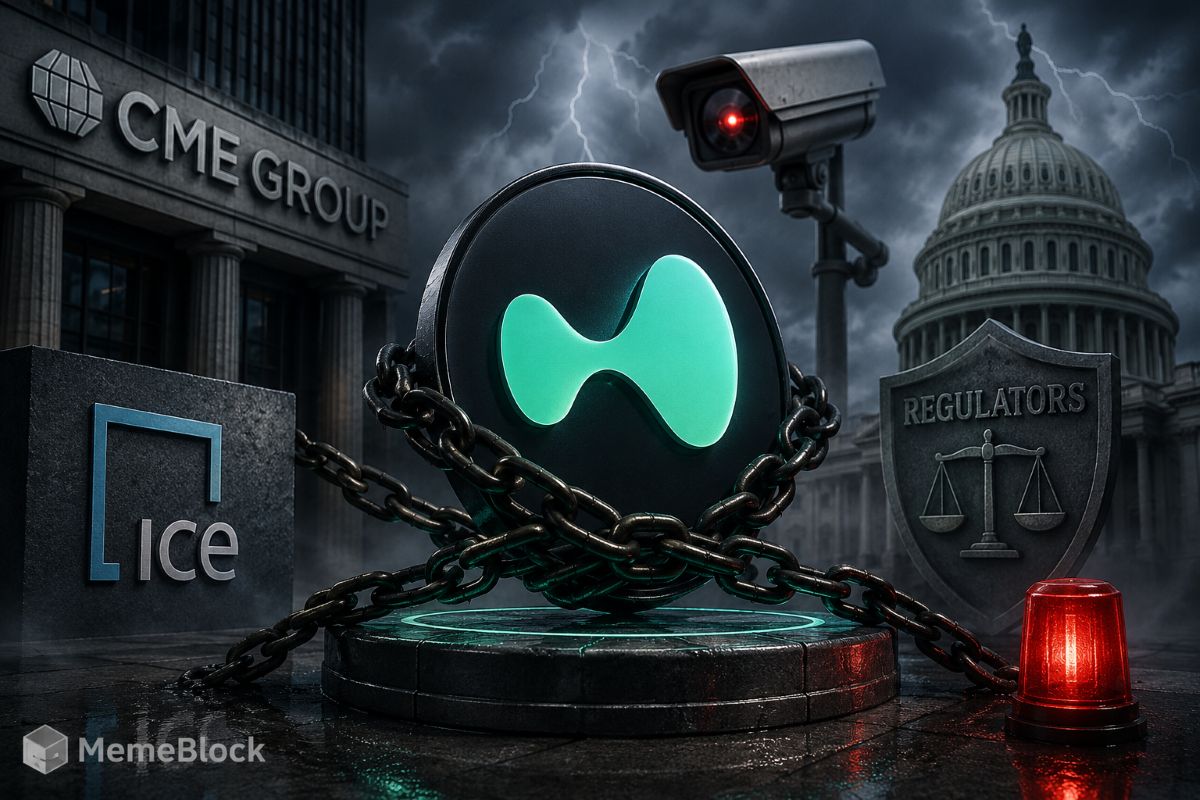
Controversy is erupting across the Bitcoin community after Lava, a once-trusted mobile wallet, quietly pushed an app update that removed several decentralization features without notifying users. The update, discovered by independent developers and power users, has ignited fears that Lava may be shifting toward a custodial or surveillance-friendly model, contradicting the ethos that helped build its original user base.
The update disabled critical functions such as peer-to-peer broadcasting, manual node selection, and the ability to verify transactions independently. These changes were not included in the app’s patch notes, raising concerns about transparency, security, and potential regulatory pressure behind the scenes.
Silent Update, Major Functional Changes
Users began noticing unusual behavior after updating to version 3.8.1 of Lava Wallet. Transactions were being routed through Lava’s servers, and the app no longer allowed connections to self-hosted Bitcoin nodes. Offline signing workflows appeared altered, and wallet metadata was now automatically synced to Lava’s cloud infrastructure.
Key decentralization removals include:
- No more manual node selection: users must rely on Lava-approved nodes
- Removal of peer-to-peer transaction broadcasting
- Cloud-based metadata syncing is enabled by default
- No option to disable Lava’s proprietary routing layer
- Reduced visibility into raw transaction data
User Backlash: “This Is Not What We Signed Up For”
The community’s response has been swift and fierce. Lava’s decision to make such fundamental changes, while burying them behind minor UI improvements in the changelog, has been labeled deceptive by many long-time users.
Common concerns voiced by the community include:
- Potential exposure of user metadata
- Transaction routing through centralized infrastructure
- Loss of sovereignty over node connections
- Fear that Lava may integrate KYC or compliance surveillance
- Possible pivot toward a custodial business model
Some users have already begun migrating to alternative Bitcoin wallets such as Sparrow, Electrum, Phoenix, and Nunchuk.
Speculation Surrounds Lava’s Motives
Several theories have emerged about why Lava made the change, none of which have been confirmed:
1. Regulatory Pressure:
Some users fear that Lava received legal notices requiring centralized monitoring to comply with new digital-asset regulations.
2. Acquisition by a Larger Tech Firm
A sudden push toward cloud-based features and data collection often precedes acquisition negotiations.
3. Monetization Strategy Shift
Centralized routing may enable new revenue models, such as transaction processing fees or targeted financial services.
4. Internal Security Overhaul
Lava may argue that centralizing routing reduces user error, though critics say this undermines Bitcoin’s decentralization principles.
Lava has not released an official statement addressing the concerns.
Bitcoin Developers Call for Wallet Transparency Standards
In response to the uproar, several Bitcoin developers are calling for an industry-wide Wallet Transparency Standard that requires:
- Full disclosure of decentralization-reducing changes
- Open-source audits
- User consent for server-based routing
- Public warnings before enabling cloud-dependent features
Such a framework, they argue, is necessary to maintain Bitcoin’s self-custodial values in an era of growing corporate and regulatory influence.
What Happens Next?
Lava now faces a critical crossroads:
- Issue a public explanation and restore decentralization features.
- Continue down a more centralized path and risk losing its entire Bitcoin-native user base.
Unless corrected, this moment may become a case study on how quickly trust can evaporate in the world of self-custody crypto tools.
FAQs
Q1: What did Lava change in its latest update?
It removed manual node selection, peer-to-peer broadcasting, and offline signing options and added forced centralized routing.
Q2: Why are users upset?
Because the update reduces decentralization and privacy, and Lava did not disclose these changes.
Q3: Is Lava becoming custodial?
Not officially, but the shift toward centralized infrastructure raises concerns about future custodial behavior.
Q4: Can users revert the update?
Only by sideloading older versions, which is not recommended for security reasons.
Q5: What are alternatives to Lava?
Popular non-custodial wallets include Sparrow, Electrum, Samourai, Nunchuk, and Phoenix.