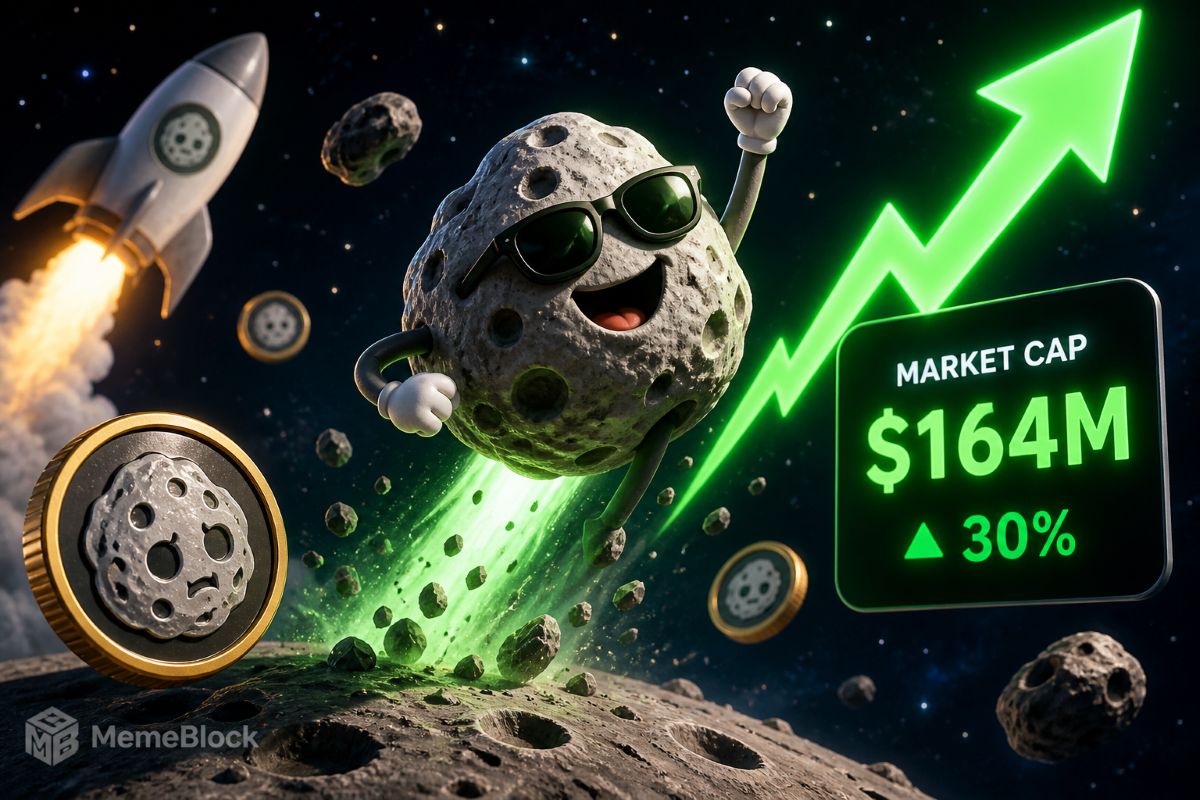
The memecoin market is heating up again, and ASTEROID has quickly become one of the biggest breakout tokens in the crypto sector this week. The Ethereum-based memecoin surged nearly 30% in the past 24 hours, pushing its market capitalization to approximately $164 million as speculative traders rushed into the fast-rising token.
ASTEROID’s rally reflects the growing appetite for high-risk meme assets in 2026, especially tokens tied to viral internet narratives and influential personalities. Crypto analysts say the latest surge was fuelled by renewed social media attention, increased whale activity, and rising trading volume across decentralized exchanges.
ASTEROID Becomes One of Crypto’s Fastest-Rising Memecoins
The ASTEROID token has seen explosive growth over the past several weeks. Earlier in April, the token traded at a much smaller valuation before rapidly climbing into nine-figure territory. Reports show the memecoin briefly touched a $164 million market cap before stabilizing near the $130 million to $160 million range.
According to market data, ASTEROID trading volume crossed tens of millions of dollars during the rally, signalling strong retail participation and aggressive short-term speculation.
The project has attracted attention because of its emotional backstory connected to a Shiba Inu plush toy called “Asteroid.” The story gained traction online after media personality Glenn Beck highlighted the story involving 15-year-old Liv Perrotto, whose dream was connected to SpaceX and Elon Musk. Musk later acknowledged the story publicly, which helped ignite viral momentum around the token.
Elon Musk Connection Fuels Viral Memecoin Momentum
Like many successful meme cryptocurrencies, ASTEROID’s rally appears heavily driven by internet culture and celebrity influence rather than traditional blockchain fundamentals.
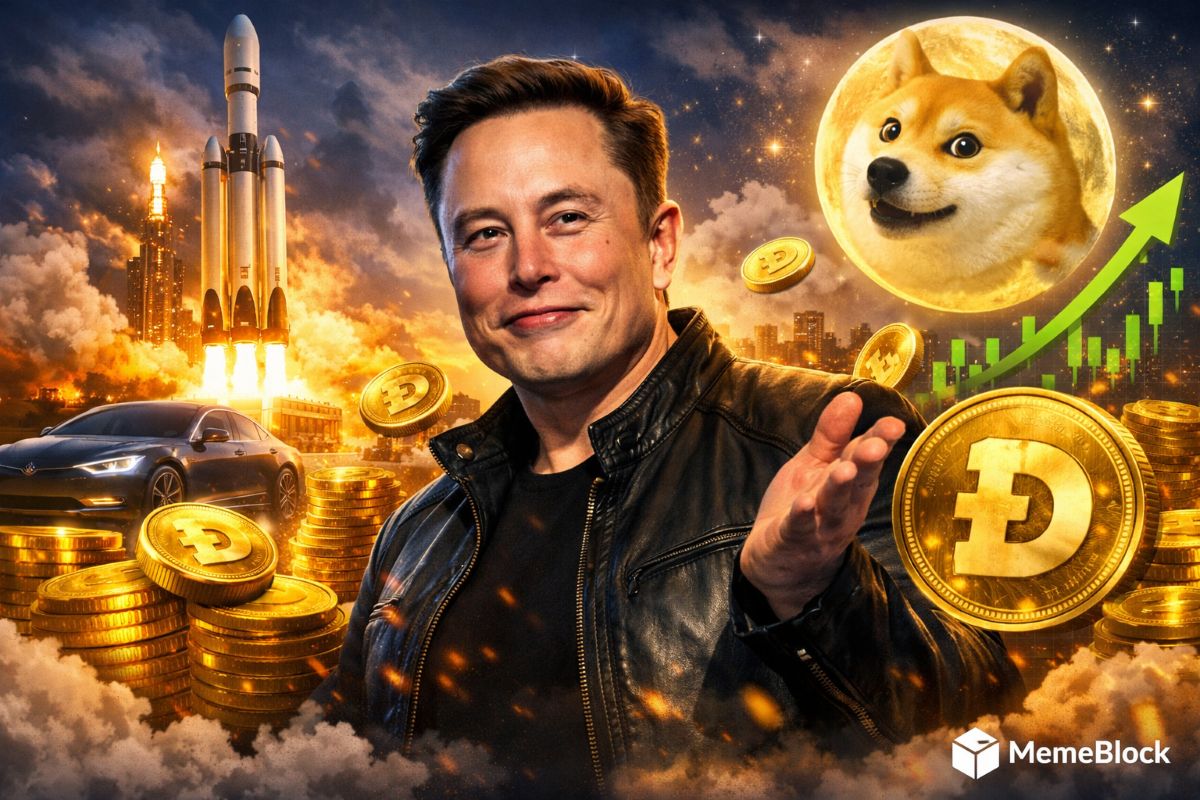
The token exploded after Elon Musk reportedly responded to online discussions surrounding the ASTEROID mascot narrative. Following the interaction, traders flooded into both Ethereum and Solana-based ASTEROID-themed tokens.
Memecoins linked to Musk have historically experienced major volatility spikes, with Dogecoin remaining the most famous example. Crypto traders often monitor Musk’s public comments and social media activity for potential market-moving trends.
Industry watchers note that ASTEROID’s price action mirrors previous speculative meme rallies where emotional storytelling and online virality became stronger catalysts than utility or adoption metrics.
Whale Activity and Trading Volume Continue Rising
Blockchain tracking services also detected major whale accumulation during the rally. Some early ASTEROID holders reportedly turned relatively small investments into six-figure unrealized profits after the token’s meteoric rise.
On-chain data suggests liquidity remains highly active, with traders rapidly rotating capital into trending memecoins. Analysts say this kind of behaviour typically appears during renewed retail speculation cycles in crypto markets.
However, volatility remains extremely high. Some reports recorded intraday price swings exceeding 40%, highlighting the risky nature of meme token trading.
Despite the massive gains, market experts continue warning investors that memecoins often lack intrinsic value and can experience sharp corrections once hype fades.
Memecoin Market Rebounds in 2026
The broader memecoin sector has shown renewed strength in recent weeks as traders search for high-upside opportunities beyond Bitcoin and Ethereum. Several low-cap meme projects have posted triple-digit gains throughout April 2026.
ASTEROID now joins the growing list of viral cryptocurrencies benefiting from social media-driven momentum, speculative buying pressure, and celebrity-related narratives. Analysts believe the token could remain highly volatile as traders continue chasing short-term profits.
Still, investors are being urged to exercise caution. Multiple exchanges and crypto news platforms have reminded traders that memecoins remain highly speculative assets influenced primarily by sentiment rather than long-term utility.