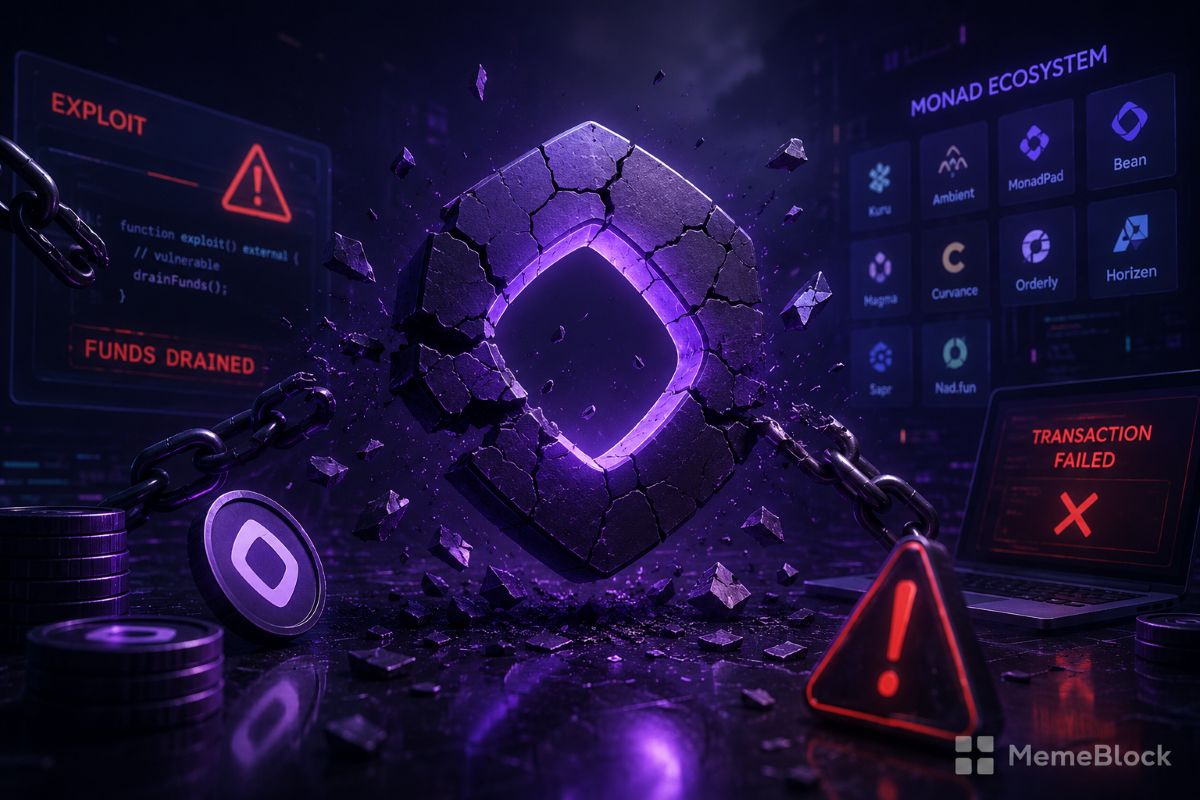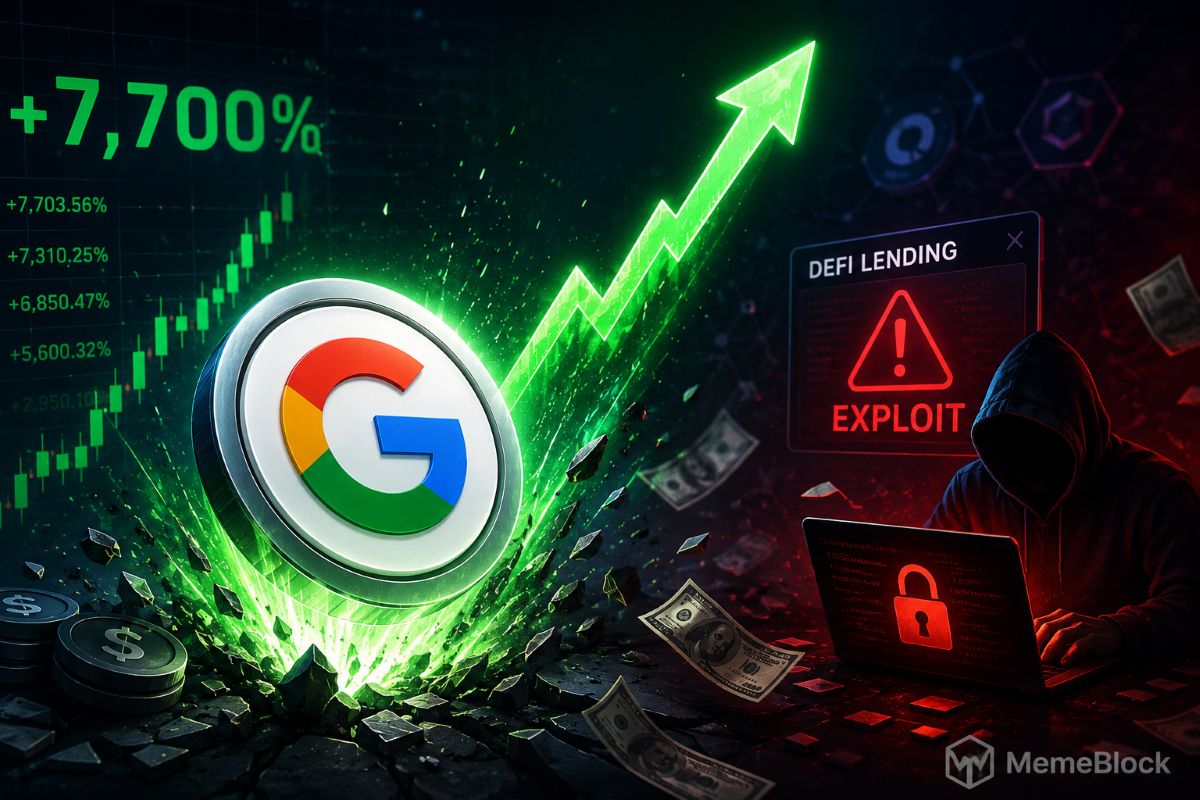
A tokenized version of Google stock briefly surged by nearly 7,700% after a decentralized finance (DeFi) lending exploit manipulated on-chain pricing. This exposed fresh risks in the rapidly expanding tokenized real-world asset (RWA) market. The abnormal price movement did not reflect the actual market value of Alphabet shares. Instead, it resulted from an exploit that distorted the protocol’s pricing mechanism and collateral calculations.
The incident highlights a growing concern among developers and institutional investors as tokenized stocks continue to gain traction across blockchain ecosystems. While tokenized equities promise around-the-clock trading and broader accessibility, they also introduce new attack surfaces. Traditional financial markets do not face these risks.
How the Exploit Triggered a Massive Price Spike
According to early investigations, the attacker manipulated the valuation of the tokenized Google stock used within a DeFi lending protocol. By exploiting weaknesses in the platform’s pricing logic or oracle design, the attacker artificially inflated the token’s reported value. It was increased by roughly 7,700%.
Instead of representing the real price of Alphabet’s publicly traded shares, the manipulated valuation allowed the attacker to borrow assets against highly overvalued collateral before the protocol could detect the anomaly. Security researchers noted that the exploit was limited to the DeFi protocol’s internal pricing system. It did not affect Alphabet stock traded on traditional exchanges.
The event demonstrates how inaccurate pricing feeds can create significant financial risks. This is especially true when tokenized assets are accepted as collateral in decentralized lending markets.
Tokenized Stocks Face Growing Security Challenges
Tokenized stocks have become one of the fastest-growing segments of the tokenized real-world asset industry. They allow blockchain users to gain exposure to traditional equities through digital tokens that track underlying securities.
However, unlike regulated stock exchanges, many DeFi protocols rely on smart contracts, automated market makers, and decentralized oracles to determine asset prices. If any of these components fail or are manipulated, the entire lending system can become vulnerable.
Industry analysts have repeatedly warned that tokenized securities require stronger safeguards, especially as institutional participation increases. Oracle security, collateral management, and real-time monitoring remain among the biggest priorities for developers building DeFi lending platforms.
Real-World Asset Tokenization Continues to Expand
Despite the exploit, the broader tokenization market continues to attract substantial investment. Financial institutions, blockchain companies, and asset managers have accelerated efforts to tokenize stocks, bonds, money market funds, and other real-world assets.
Supporters argue that tokenization can improve settlement efficiency, increase market accessibility, and enable programmable financial products. At the same time, experts caution that the infrastructure supporting these assets must mature before tokenized securities can achieve widespread adoption.
Recent research also suggests that liquidity and reliable price discovery remain uneven across tokenized real-world assets. As a result, robust market infrastructure is becoming increasingly important as adoption grows.
Security Becomes the Top Priority for DeFi Lending
The exploit adds to a series of security incidents that have affected decentralized finance over the past year. Although DeFi security has improved significantly compared with previous market cycles, sophisticated attackers continue targeting protocols with weak oracle protections or vulnerable smart contracts.
Research published in 2026 shows that major exploits have contributed to reduced lending activity and temporary capital outflows from several decentralized lending platforms. Developers have responded by strengthening risk controls, improving collateral requirements, and implementing additional circuit breakers to reduce future attacks.
Many protocols are also adopting multi-source oracle systems and enhanced governance procedures to minimize the possibility of price manipulation.
What Comes Next
The tokenized Google stock exploit serves as another reminder that the future of tokenized finance depends not only on innovation but also on resilient infrastructure. As decentralized lending expands beyond cryptocurrencies into tokenized equities and other traditional assets, secure pricing mechanisms will become essential. These will be necessary for maintaining market confidence.
While the exploit temporarily distorted on-chain valuations, it did not impact Alphabet’s actual share price or broader equity markets. Instead, the incident underscores the importance of robust oracle design, comprehensive smart contract audits, and stronger risk management. These are all needed as tokenized real-world assets continue moving into the financial mainstream.