Bolivia’s proposal to tokenize gold reserves on the Ethereum blockchain has ignited a fresh global political debate at the intersection of technology, governance, and corruption. Marketed as a transparency-first reform, the initiative aims to track gold from extraction to state custody using blockchain records. While the idea aligns with global trends in asset tokenization, it also exposes deeper structural and political realities that technology alone cannot fix.
The Political Context Behind Bolivia’s Gold Problem
Gold has long been a sensitive asset in Bolivia’s political economy. Informal mining networks, weak oversight, and allegations of underreported production have repeatedly undermined state revenues. The government’s broader push to strengthen gold-backed reserves and stabilize foreign currency holdings has made transparency a political priority.
Against this backdrop, gold tokenization on Ethereum is being framed as an anti-corruption tool—one that could create a public, immutable record of gold ownership and movement. In theory, this would reduce manipulation, smuggling, and reserve misreporting.
How Gold Tokenization Is Supposed to Work
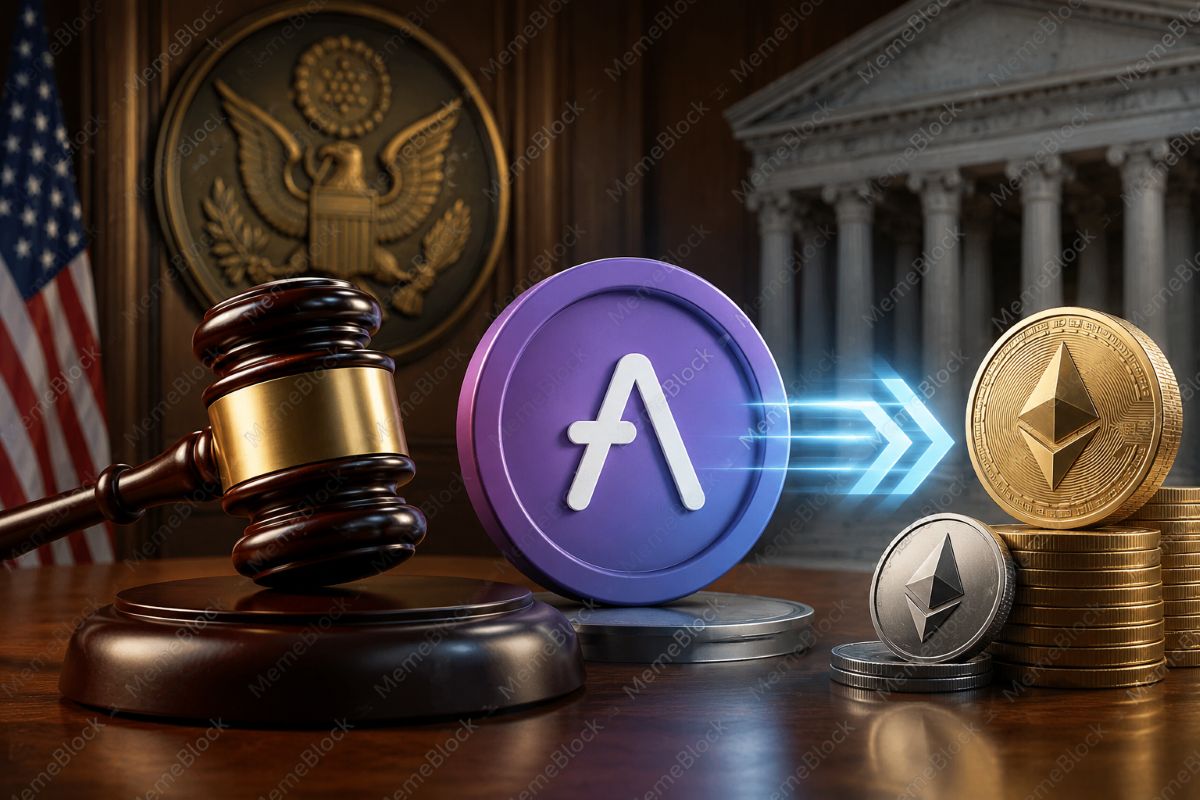
Under the proposal, each token issued on Ethereum would represent a specific quantity of physical gold. Data such as origin, certification, and transfer history would be recorded on-chain, allowing auditors and regulators to verify transactions in near real time.
Supporters argue this approach could:
- Improve traceability across the gold supply chain
- Reduce opportunities for off-book transactions
- Strengthen confidence in state-held reserves
- Align Bolivia with global blockchain-based financial reforms
From a purely technical perspective, the model is viable. Ethereum already supports asset-backed tokens and smart contracts at scale.
The Core Flaw: Blockchain Can’t Fix Bad Inputs
The central weakness of Bolivia’s proposal lies in a familiar blockchain paradox: “garbage in, garbage out.” If corrupt actors manipulate assay reports, mining data, or certification documents before they are uploaded, the blockchain will permanently record false information.
Tokenization does not eliminate corruption; it digitizes whatever system already exists. Without independent audits, legally enforced verification standards, and real penalties for falsification, tokenized gold risks becoming a sophisticated façade rather than a solution.
Sovereignty, Ethereum, and Strategic Risks
Choosing Ethereum raises additional political concerns. As a public, permissionless blockchain, Ethereum exposes transaction data to global scrutiny and subjects the system to network congestion and fluctuating fees. For a sovereign asset like gold, this raises questions about data sensitivity and control.
A hybrid or permissioned blockchain model might better balance transparency with national sovereignty. Relying entirely on a public chain could undermine the very stability the reform seeks to achieve.
Tokenization Without Reform Is Political Theatre
Bolivia’s corruption challenges are institutional, not technological. Weak enforcement, informal mining structures, and political interference cannot be solved by smart contracts alone. Without parallel reforms in governance, law enforcement, and regulatory capacity, gold tokenization risks becoming symbolic rather than transformative.
For the proposal to succeed, the government must define clear benchmarks: independent audits, public reporting standards, measurable reductions in unregistered gold, and transparent redemption mechanisms
FAQs
What is Bolivia proposing with gold tokenization?
Bolivia is considering issuing blockchain-based tokens that represent physical gold, using Ethereum to track provenance and ownership.
Will tokenizing gold eliminate corruption?
No. Blockchain improves transparency, but corruption can persist if off-chain data and institutions remain compromised.
Why is Ethereum controversial for sovereign assets?
Ethereum is public and decentralized, which raises concerns around data exposure, transaction costs, and national control over strategic reserves.
Are other countries doing this?
Several countries and institutions have tested asset tokenization, but full-scale sovereign gold tokenization remains experimental.
What must Bolivia do for this to work?
Pair blockchain technology with legal reform, independent audits, enforcement mechanisms, and clear governance standards.