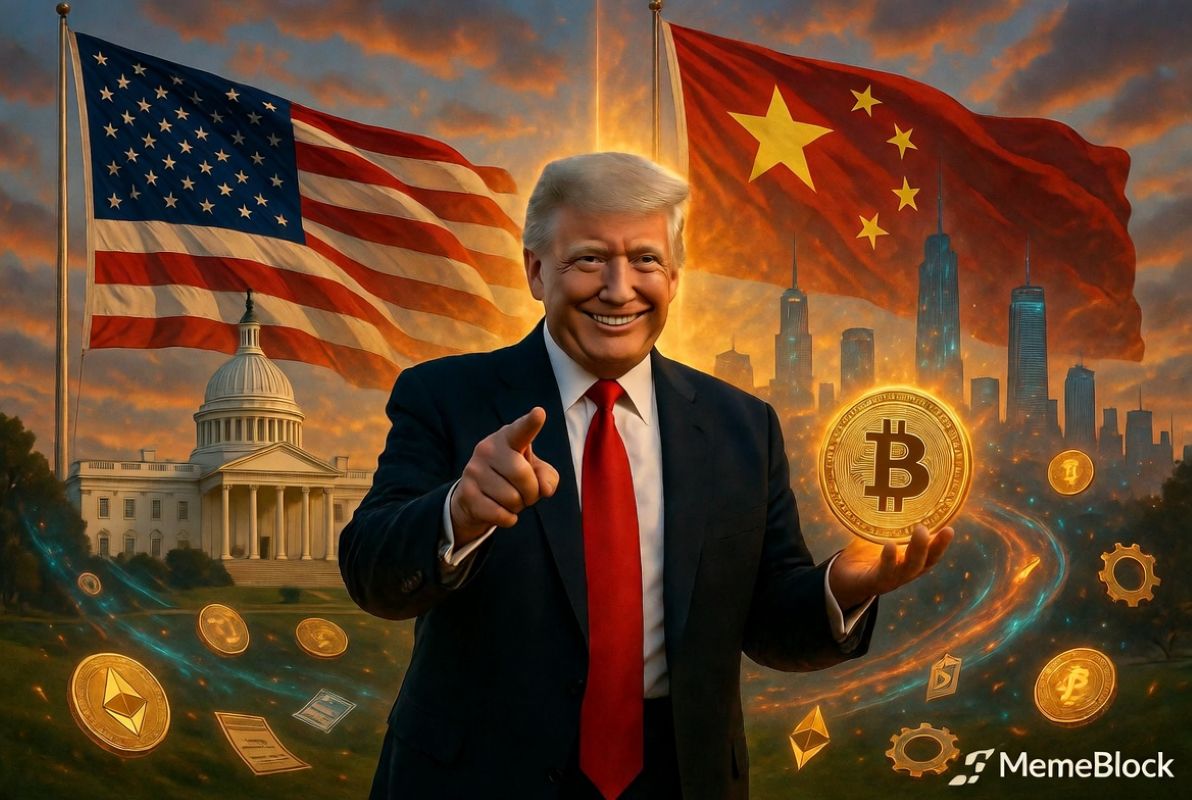
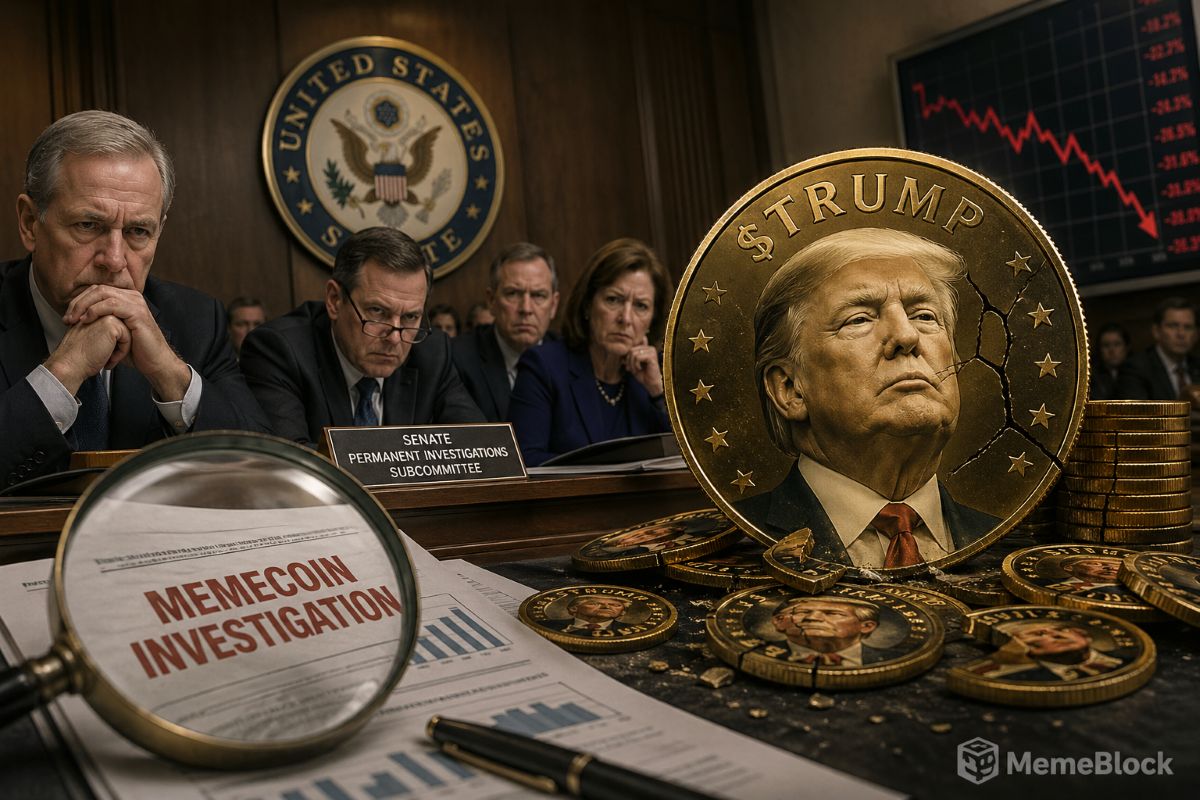
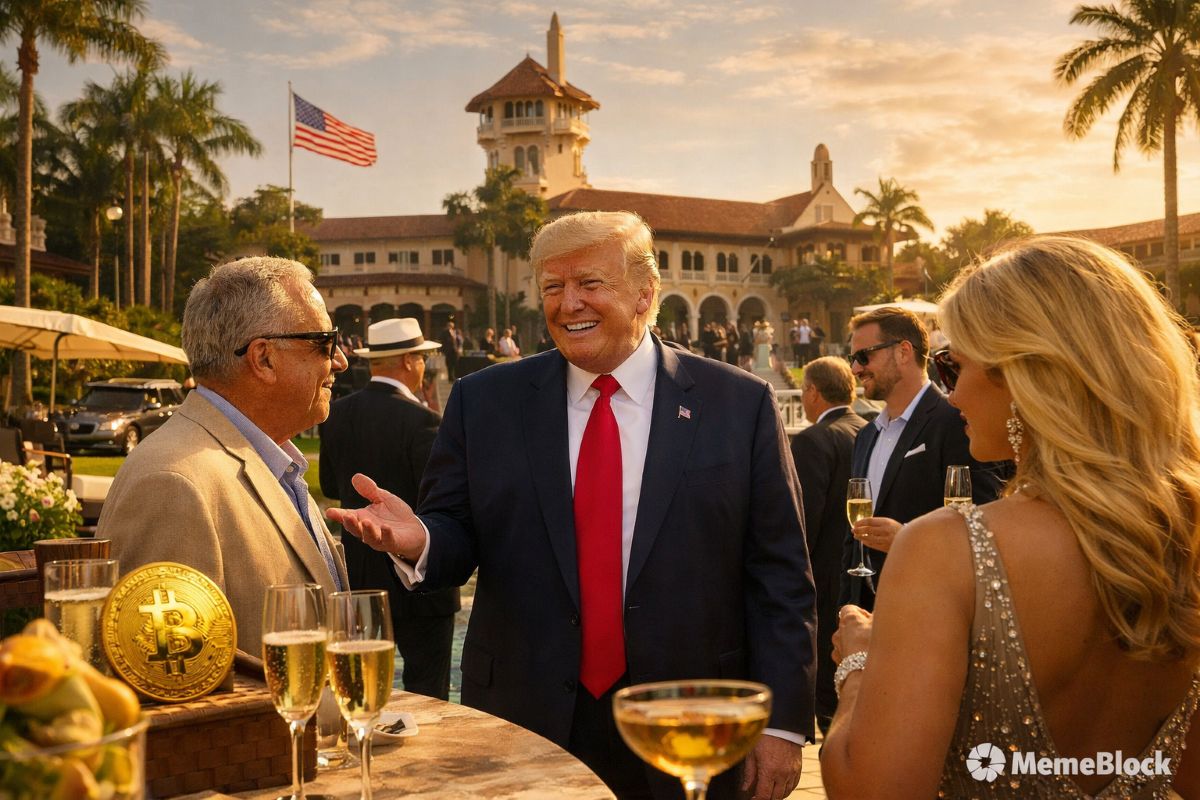
What began as another chapter in the long-running drama of politics and finance has escalated into a concentrated push by Democratic lawmakers to probe the Trump family’s crypto venture, World Liberty Financial (WLFI). Lawmakers are not simply objecting to cozy industry ties; they’re asking federal regulators to preserve records and investigate whether WLFI’s operations may have skirted U.S. sanctions or created extraordinary conflicts of interest.
At the center of the controversy is a pattern: a high-profile presidential embrace of crypto-friendly policy and business relationships that critics say blur the lines between public office and private gain. Senators and House Democrats have publicly pressed the Securities and Exchange Commission and other agencies to preserve documents and answer whether proper oversight was avoided or politically influenced. Those requests underscore concerns about regulatory capture at a moment when the federal approach to digital assets is still being written.
The stakes are more than procedural. Recent reporting and congressional letters allege WLFI may have financial links or token arrangements tied to actors or intermediaries in jurisdictions of national-security concern, a red flag for sanctions enforcement. If true, the implications range from civil penalties to potential criminal exposure for firms that facilitate transactions with sanctioned entities. Democrats argue that these are precisely the kinds of risks regulators exist to catch before markets and political insiders exploit them.
Public outrage intensified after revelations about a controversial presidential pardon and sizable deals with crypto executives that critics say could amount to quid pro quo or, at a minimum, the appearance of self-dealing. Observers note that when the executive branch takes action, such as clemency decisions, tied closely in time or substance to business relationships involving the president’s circle, it deepens the ethical questions and undermines public trust.
Beyond headlines and legal formalities lies a broader policy debate. Should regulators craft rules with clear firewalls that prevent public officials from benefiting from fast-moving financial experiments? Or should innovation receive a lighter touch even when it intersects with political power? Democrats pushing this investigation answer firmly: guardrails first. Their campaign combines legal pressure (letters, records preservation requests) with political messaging aimed at keeping sanctions enforcement and securities protections robust and apolitical.
This episode also spotlights a larger global political drama: how democracies regulate emerging technologies when influential political figures have skin in the game. The WLFI controversy is a cautionary tale about the reputational and systemic risks that follow when family interests and state authority tangle, risks that can chill investor confidence, complicate diplomacy, and invite regulatory backlash. For watchdogs and markets alike, the coming weeks will test whether U.S. institutions can investigate, reveal, and, if necessary, hold powerful actors to account.
FAQs
Q: Who is calling for the investigation into the Trump family’s crypto venture?
A: Senior Democratic lawmakers, including senators and House members concerned about regulatory conflicts and potential sanctions exposure, have requested records preservation and probes by agencies such as the SEC and Treasury.
Q: What specific risks are Democrats alleging?
A: Lawmakers point to possible violations of sanctions rules, conflicts of interest, and the appearance that regulatory decisions could be influenced by personal financial ties.
Q: Could this lead to legal penalties?
A: If investigations find facilitation of transactions with sanctioned entities or regulatory violations, firms could face civil fines or criminal referrals, depending on the findings and evidence.
Q: Why did the pardon of a crypto executive matter in this debate?
A: Critics say the pardon raised questions about timing and whether executive actions intersected with business arrangements that benefited the president’s associates, intensifying scrutiny of WLFI relationships.