A deep editorial analysis of the 2025 crypto crash, why it happened, how bad it could get, and whether digital assets are facing their most critical collapse yet.
The 2025 crypto market has entered one of the most turbulent periods in its history. Bitcoin, Ethereum, Solana, and dozens of top-tier altcoins are trading at levels not seen since mid-2023. Billions wiped out. Sentiment collapsing. Liquidity is drying up. This raises the question many fear to ask aloud:
Is this the most critical collapse crypto has ever faced?
Unlike previous downturns, this one isn’t the result of a single catastrophic event. It is the culmination of economic tightening, regulatory clampdowns, overleveraged speculation, and geopolitical tensions converging at the worst possible moment.
The Multi-Layered Crisis Behind the Crash
1. Global Economic Tightening
The U.S. Federal Reserve’s aggressive stance on interest rates is hitting risk markets hard. Higher borrowing costs push investors away from speculative assets like crypto and toward safer alternatives. The result is widespread sell-offs and evaporating liquidity.
2. Regulatory Pressure
From the EU’s MiCA framework to the U.S. SEC’s enforcement blitz, the industry is facing unprecedented scrutiny. While regulation brings long-term clarity, the short-term effect is brutal. Exchanges are restructuring, altcoins are reassessed, and investor confidence is shaken.
3. Over-Speculation and Leverage Meltdowns
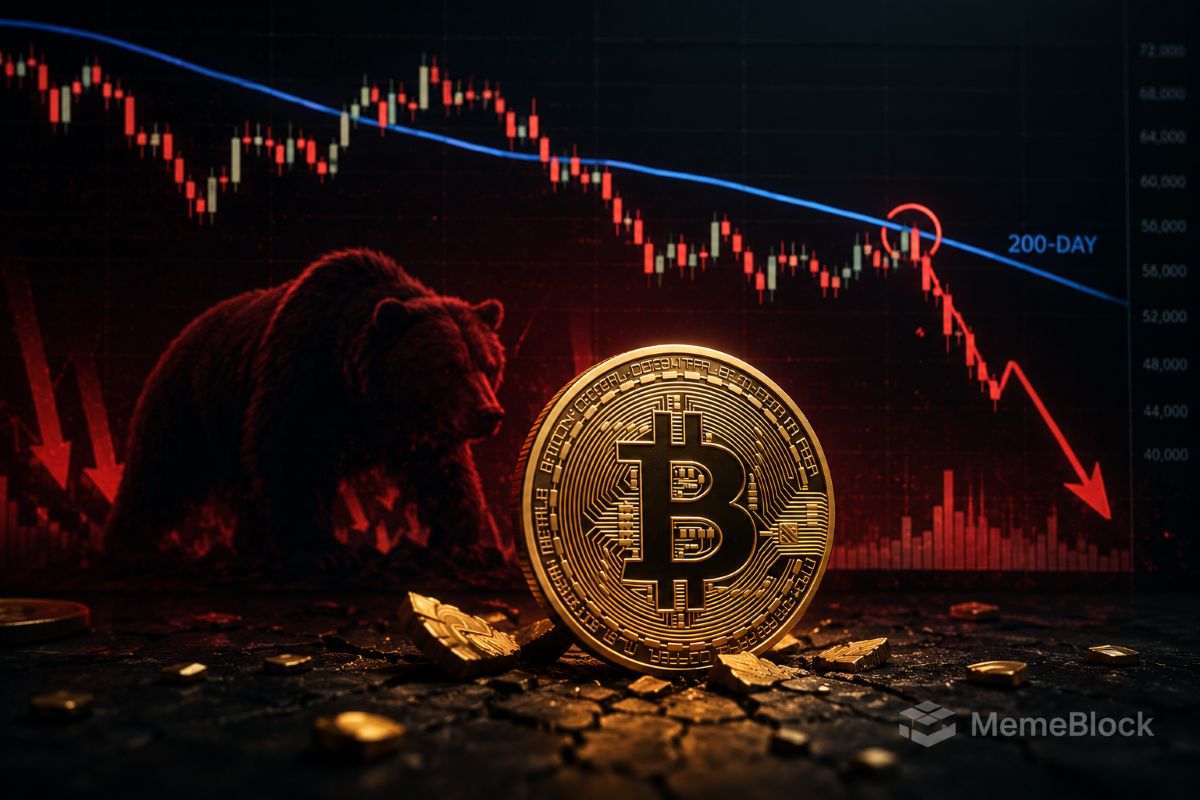
The late-2024 rally created massive leverage positions. As prices fell, liquidations triggered cascade effects , pushing Bitcoin from the $80K range to the $50K zone in a matter of weeks. Ethereum and Solana suffered similar capitulation waves.
4. Institutional Hesitation
Institutions that once drove momentum are now reducing exposure, adopting a “wait and see” strategy. When big money pauses, retail fear accelerates.
Is This the Worst Collapse Ever?
Analysts argue that this downturn feels different because crypto is now intertwined with traditional finance. Gone are the days when Bitcoin moved independently of macroeconomic cycles.
With institutional ETFs, corporate treasuries, sovereign funds, and Wall Street exposure, crypto is no longer a niche market; it’s part of the global financial bloodstream. But that also means crypto’s survival odds are stronger today than during previous crashes.
Reasons the Market Won’t Stay Down Forever
- Blockchain adoption is still climbing.
- Tokenization of real-world assets is accelerating.
- AI-driven blockchain ecosystems are attracting new investment.
- Governments are integrating digital currencies into payment frameworks.
- Institutional accumulation during dips is historically a bullish signal.
In other words, while the bubble may be deflating, the technology is not dying.
Why Investors Shouldn’t Panic, Yet
This collapse, while brutal, mirrors previous market resets that paved the way for new peaks. After each major crash, 2014, 2018, 2022, crypto emerged stronger, more mature, and more widely adopted.
This one may simply be another necessary purge.
Weak projects will vanish. Strong ecosystems with real utility will survive, and lead the next bull cycle.
For seasoned investors, this moment is less about fear and more about positioning.
FAQs
Q1. What triggered the latest crypto crash?
The crash came from a mix of economic tightening, heavy regulation, leverage liquidations, and global uncertainty.
Q2. Is this the worst collapse in crypto history?
While one of the most severe, it’s not necessarily the worst. Unlike past crashes, today’s crypto ecosystem has stronger institutional foundations.
Q3. Will Bitcoin recover from this downturn?
Most analysts believe Bitcoin will recover as macroeconomic pressures ease in late 2025, though volatility will continue.
Q4. Are altcoins at risk of total collapse?
High-utility altcoins are likely to survive. Over-hyped projects without strong fundamentals may disappear entirely.
Q5. Should investors buy during the crash?
Only if they understand risk. Historically, crashes became strong accumulation zones — but timing remains uncertain.
Q6. Is crypto still a long-term investment opportunity?
Yes. The long-term trend of blockchain adoption remains intact despite short-term chaos.