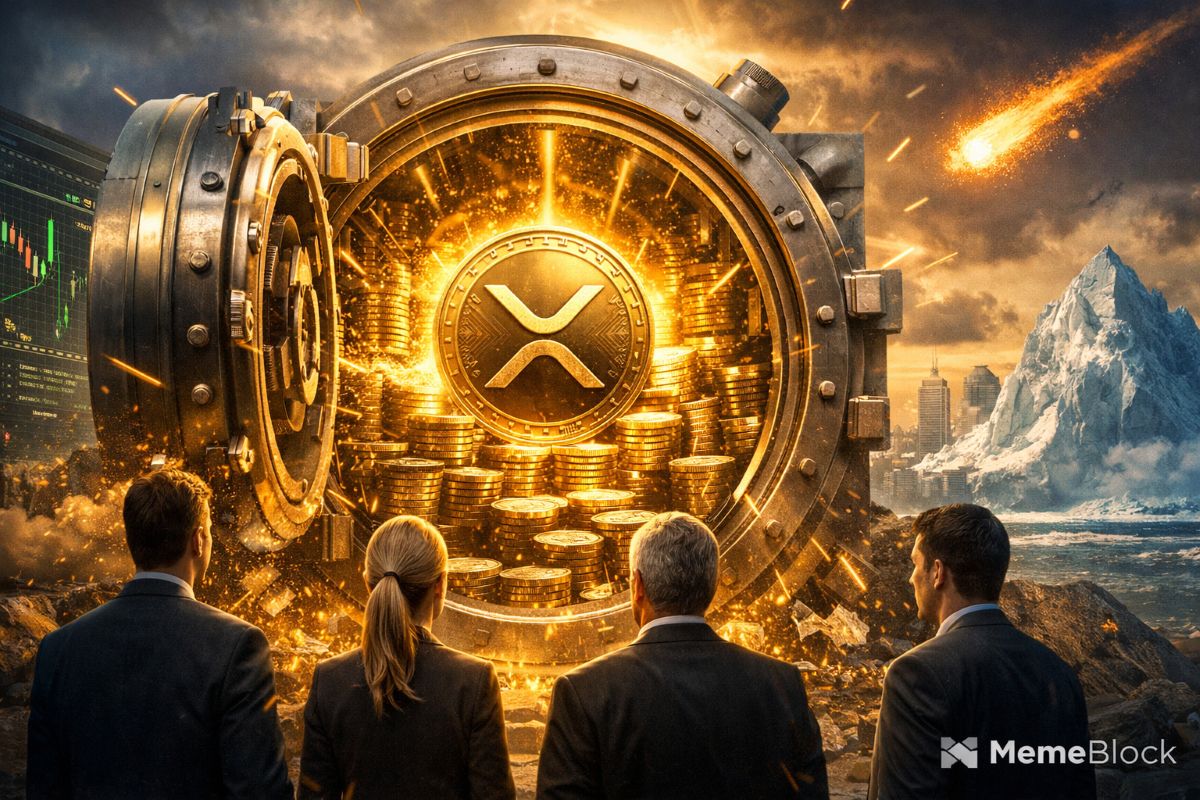
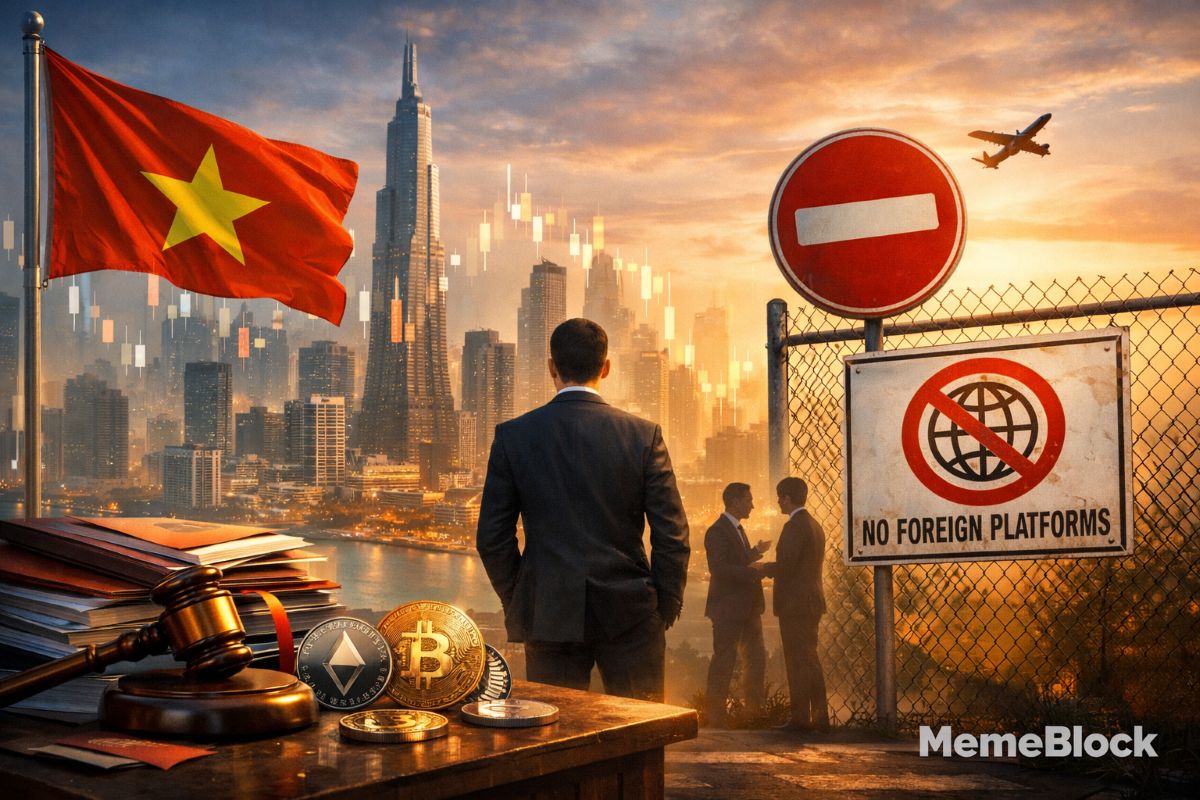
Discover how global politics, regulations, and economic tensions continue to disrupt the crypto market, and what it will take for digital assets to finally break free.
In 2025, the cryptocurrency market is no longer just a tech story; it’s a political battlefield. From Washington to Brussels, Beijing to Moscow, the future of digital assets now depends as much on foreign policy and regulation as it does on innovation and demand.
As governments grapple with inflation, sanctions, and the digitalization of money, cryptocurrencies have become both a symbol of freedom and a target of control. The question many investors are asking is: How long will global politics continue to disrupt the crypto market?
The Political Chokehold on Digital Assets
Since its inception, the crypto market has been driven by ideals of decentralization and independence from traditional financial systems. Yet over the past few years, political agendas have increasingly dictated its fate.
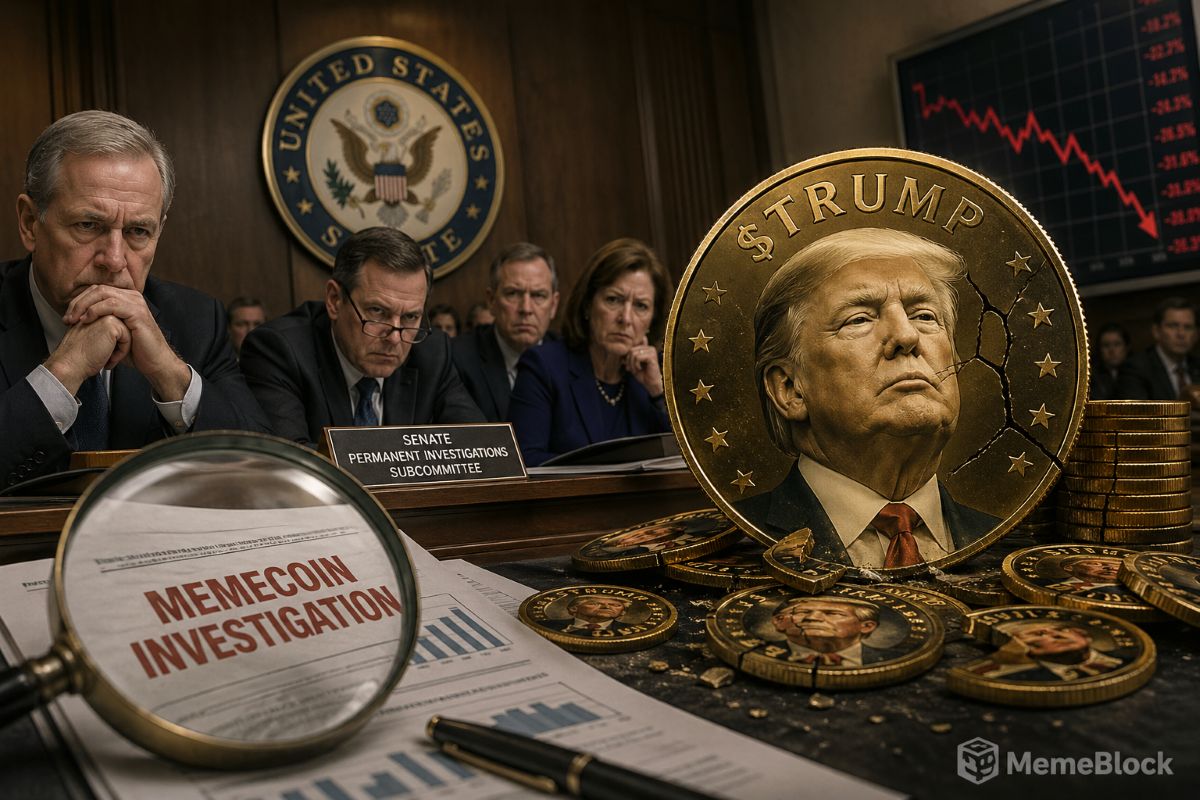
The United States, once seen as the global hub for crypto innovation, has become a regulatory minefield. While lawmakers debate frameworks for stablecoins and exchange licensing, uncertainty continues to spook investors and developers. Each time a policy shifts, billions in market value can vanish overnight.
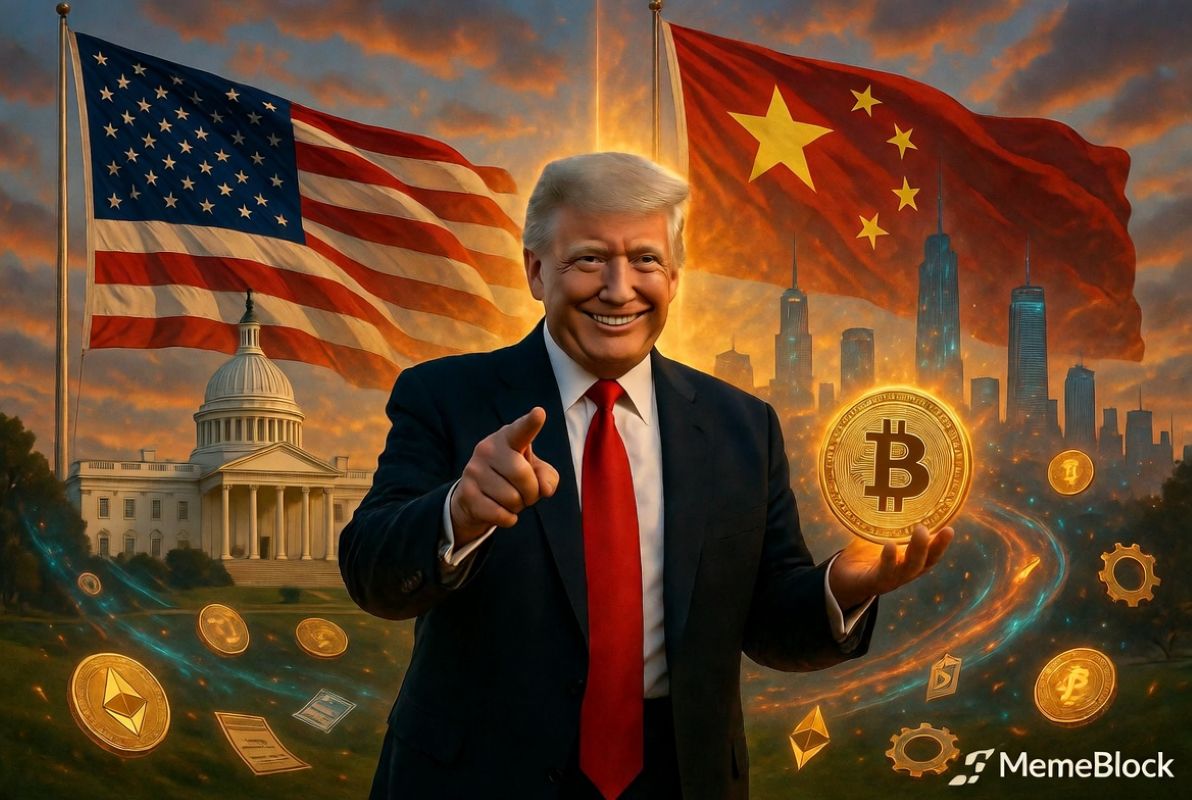
Meanwhile, geopolitical rivalries, especially between the U.S., China, and the BRICS bloc, have added another layer of complexity. Sanctions, trade disputes, and the race for digital currencies (like China’s e-yuan or Russia’s digital ruble) are reshaping global liquidity and market access. The result? A market constantly on edge, reacting more to political headlines than to innovation.
Regulatory Tug-of-War: Power vs. Progress
Governments around the world are wrestling for control over crypto. Some see it as a national threat; others view it as an opportunity for global leadership.
- The U.S. focuses on investor protection but risks pushing innovation offshore with unclear laws.
- The European Union has introduced structured regulation (MiCA), aiming for a balance between innovation and safety.
- China and Russia maintain strict control, promoting state-backed digital currencies instead of decentralized assets.
This fragmented approach has created a regulatory tug-of-war that hinders global adoption. Instead of fostering a unified digital economy, politics has created fragmented markets, where the rules differ drastically depending on geography and ideology.
Until major economies align on baseline standards, the crypto industry will remain at the mercy of political power plays.
The Economic Fallout: Inflation, Sanctions, and Uncertainty
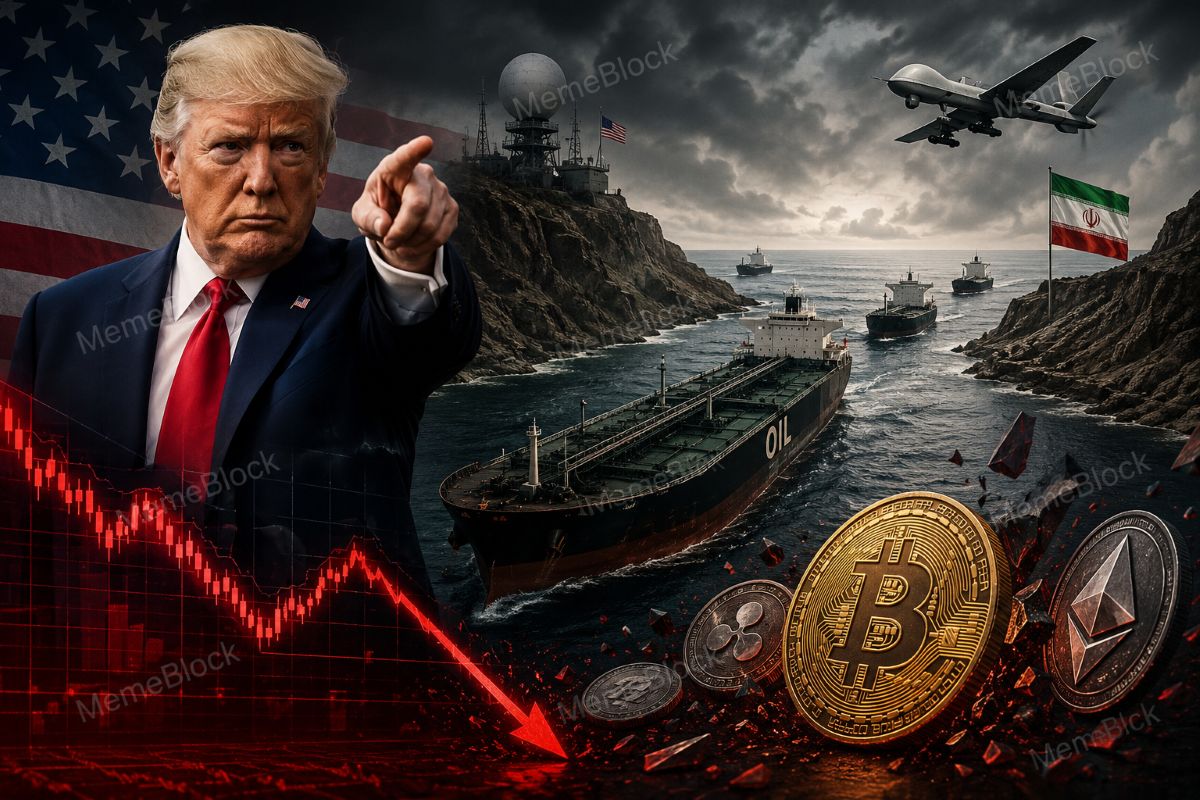
Global politics doesn’t just regulate crypto; it destabilizes it. Wars, sanctions, and trade restrictions constantly ripple through digital markets. For example, global inflation spikes and central bank interventions often push investors toward, or away from, Bitcoin and stablecoins.
Every time a new conflict or policy decision surfaces, the crypto market reacts immediately. Political instability increases volatility, driving retail traders to panic and institutional investors to retreat. Ironically, the very systems crypto was built to escape are now its biggest source of instability.
Is There a Way Out?
The path forward depends on regulatory clarity and international cooperation. As digital finance becomes mainstream, governments can no longer afford to treat crypto as a threat. Instead, they must integrate it responsibly with frameworks that protect consumers without crushing innovation.
Industry experts predict that by 2026–2027, we’ll see a clearer global standard emerge. The Financial Stability Board, IMF, and G20 nations are already working toward unified digital asset guidelines. Once that happens, the crypto market could finally enter a new era, one defined by stability and legitimacy, not political chaos.
FAQs
Q1: How do global political tensions impact the crypto market?
Political tensions affect investor confidence, trade restrictions, and regulatory decisions — all of which directly influence cryptocurrency prices and adoption rates.
Q2: Why do governments regulate crypto so heavily?
Governments regulate crypto to prevent fraud, money laundering, and capital flight — but excessive control often stifles innovation and decentralization.
Q3: How have recent conflicts affected crypto markets?
Wars, sanctions, and financial restrictions have led to unpredictable spikes and crashes, as investors treat crypto alternately as a safe haven or a high-risk asset.
Q4: When will crypto regulation become stable worldwide?
Experts expect more consistent frameworks between 2026 and 2027, as international agencies work toward common standards for digital assets.
Q5: Can crypto survive political manipulation?
Yes. As blockchain technology becomes integral to global finance, political influence will weaken over time, especially with decentralized networks gaining global traction.
Q6: What can investors do to protect themselves?
Diversifying across assets, following global regulatory trends, and investing in credible projects with strong fundamentals can help navigate politically driven volatility.