A string of reports showing Trump allies’ involvement in multi-billion-dollar semiconductor and cryptocurrency arrangements has ignited fresh ethics questions about influence, national security, and regulatory capture. Critics say the union of high-value AI-capable chip access and opaque crypto fundraising, tied to persons close to the president, looks less like ordinary business and more like a new model of governance-by-deal.
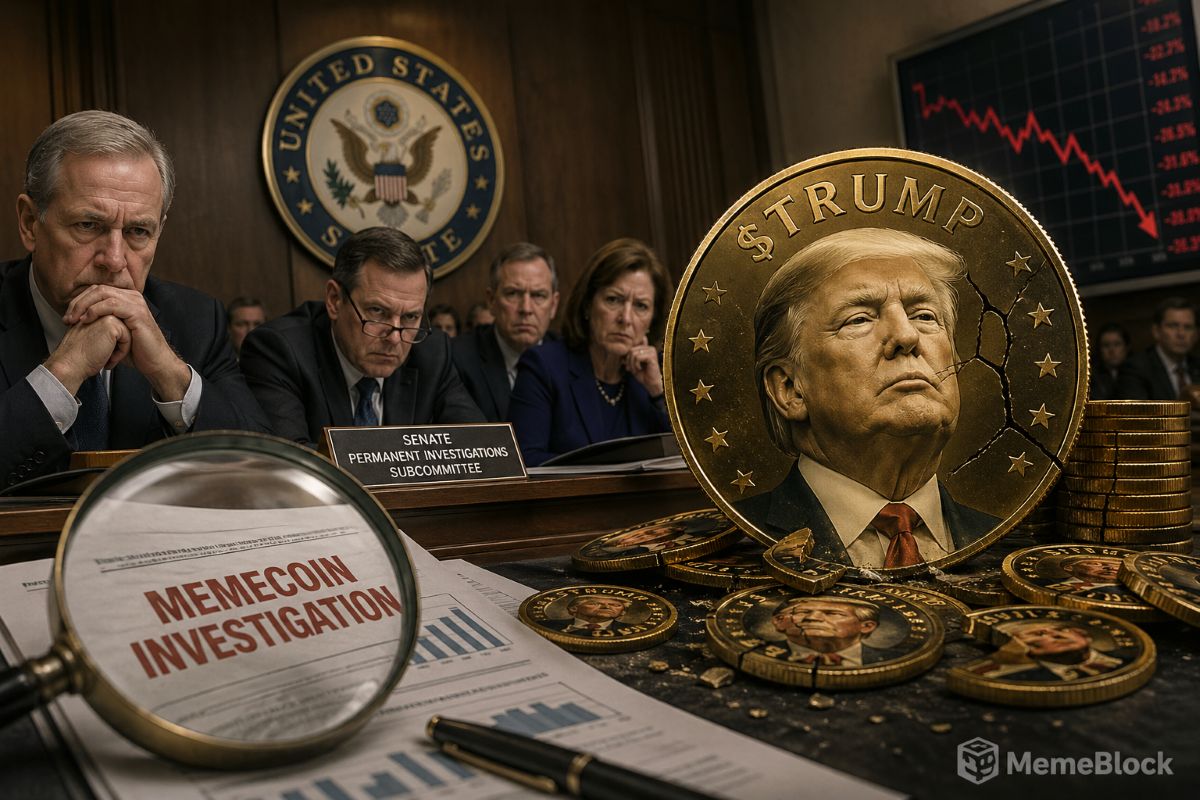
Investigations and congressional inquiries have followed. Senators and watchdogs have demanded documents after reporting suggested foreign investments linked to crypto ventures were followed closely in timing by policy shifts easing chip and export restrictions, raising alarms about conflicts of interest and possible national-security tradeoffs.
Why this matters: Access to advanced AI chips is a strategic resource. When the same networks that funnel capital into private crypto projects also appear to influence export approvals or permissions around semiconductors, the risk is twofold: private enrichment at public expense, and the potential transfer of sensitive computing capabilities to geopolitical competitors. Observers warn that normalizing such deals could weaken long-standing guardrails that separate foreign economic influence from national security decisions.
The crypto dimension compounds the problem. High-profile fundraising events and token launches tied to the administration’s allies have raised questions about whether political access or policy favors are being implicitly sold. Even before recent revelations, regulators and ethics experts flagged the rapid rise of presidential-adjacent crypto ventures as a conflict risk, an issue that has only intensified with evidence of overlapping timelines between fundraising and policy gestures.
Defenders argue that private sector deals and policy reforms can coincide without impropriety, and that innovation requires engagement across government, capital, and industry. But transparency is the baseline. Critics call for emergency disclosure rules, independent ethics reviews, and a halt to any export or contract approvals where proximate financial interests exist, until investigators can determine whether proper recusal and safeguards were followed. Several legal scholars say current statutes may not fully anticipate this hybrid of crypto capital and national-security technology and urge legislative clarification.
What to watch next: Ongoing congressional probes and newsroom investigations will likely release detailed timelines and financial records. If inquiries show that policy concessions systematically followed investments or fundraising, the political and legal consequences could be profound, from fines and new restrictions to reforms that overhaul how administrations manage private financial entanglements. For now, the episode has already reshaped the debate on how to protect national tech assets while preserving legitimate commercial engagement.
FAQs
Q: Are there formal investigations into these chip and crypto deals?
A: Yes, multiple congressional inquiries and watchdog requests for documents have been reported, and lawmakers have publicly called for investigations into ties between foreign investment, crypto fundraising, and export decisions.
Q: Do these reports prove wrongdoing or illegal activity?
A: Public reporting has raised red flags and prompted investigations, but proving criminal wrongdoing requires detailed evidence and legal processes. Journalistic and congressional probes aim to clarify timelines and financial links.
Q: What policy changes could prevent similar conflicts in future administrations?
A: Experts recommend stronger disclosure requirements, mandatory recusal rules for officials with financial ties, clearer export-control criteria insulated from ad-hoc revenue deals, and limits on political figures’ involvement in speculative crypto fundraising.
Q: How does national security factor into chip export concerns?
A: Advanced AI chips are dual-use technology with clear national security implications. Unchecked exports or sweetheart arrangements that prioritize private gains over strategic safeguards can erode U.S. tech leadership and compromise defense interests.