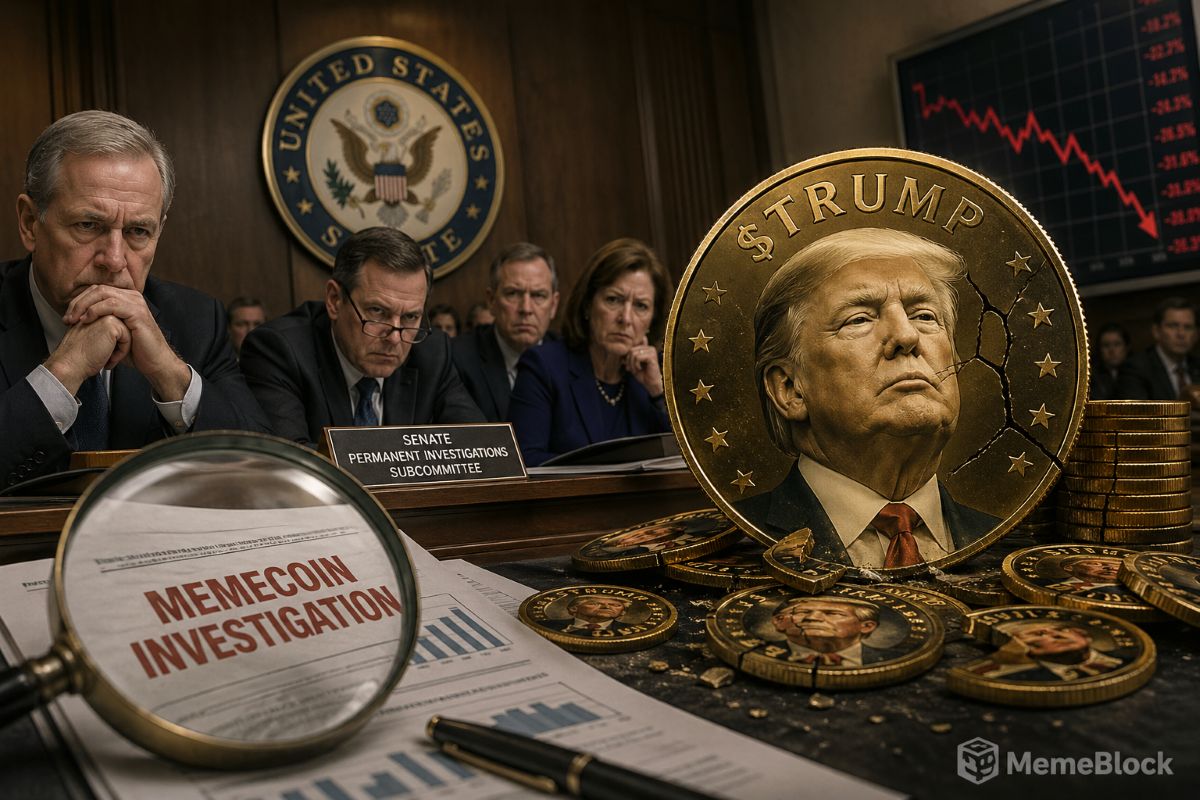
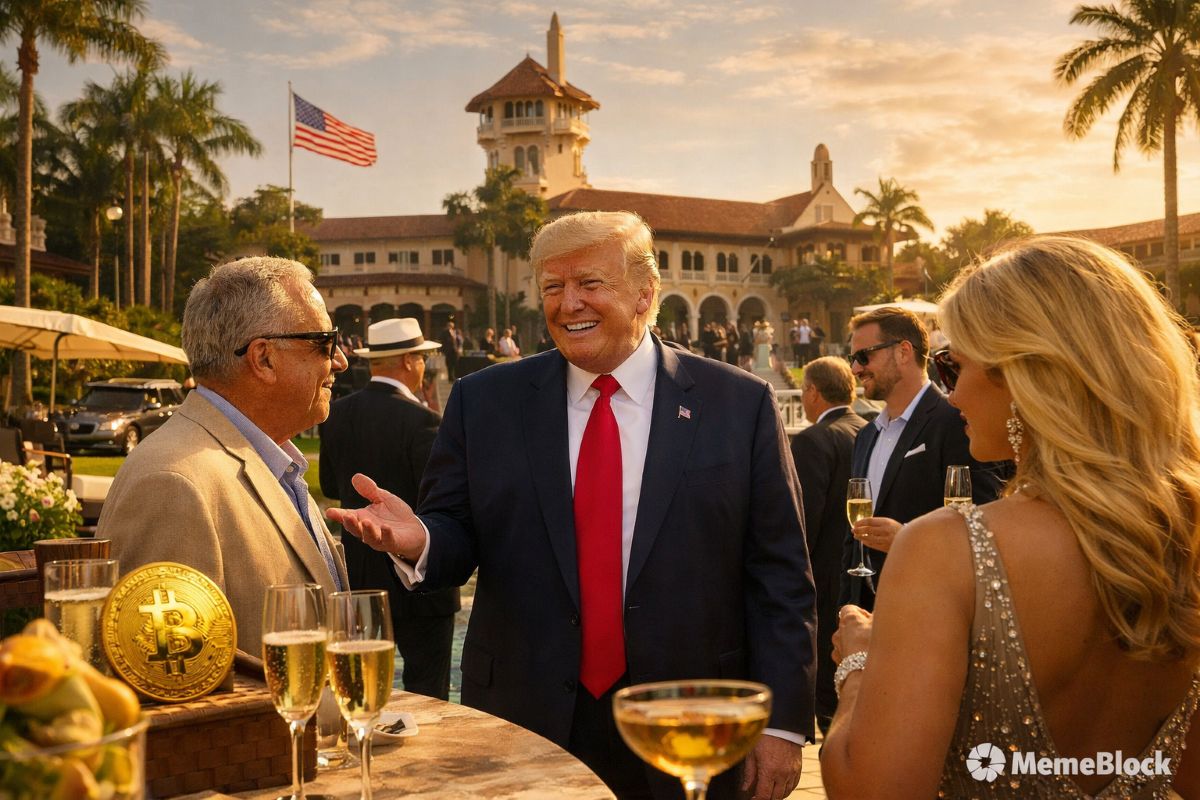
The political theater around the Trump family’s cryptocurrency venture, World Liberty Financial (WLFI), has escalated from campaign spectacle to Capitol Hill scrutiny. Democratic Senators Elizabeth Warren and Jack Reed have formally urged the Department of Justice and the Treasury to investigate WLFI after watchdog reporting and blockchain analyses suggested token sales may have touched wallets linked to sanctioned actors, including North Korea’s Lazarus cyber-criminal network, Russia-linked ruble token operators, and Iranian exchange users.
What began as a high-profile token launch, WLFI tokens began trading earlier this year on major exchanges and rapidly became both a political and financial lightning rod, raising questions about whether the project’s compliance controls were adequate to block sanctioned or hostile actors from buying governance stakes. Reuters reported the token’s trading debut and noted regulatory and ethics concerns given the family’s public role.
At the heart of the senators’ letter is a stark national-security argument: by allowing wallets tied to adversarial actors to acquire tokens with governance rights, WLFI may have effectively handed potential U.S. adversaries a voice, however small, in a platform affiliated with the President’s family. The Senate letter, published on the Banking Committee’s site, claims token sales “touched wallets” associated with sanctioned groups and flagged the risk of granting “a seat at the table” to foreign malign actors.
This moment exposes three converging failures. First, a lax compliance posture in an industry famously exploited by state-linked hackers and money-launderers. Second, the blurred boundary between political power and private profit when a sitting President’s family benefits from cutting-edge financial instruments. Third, the regulatory gap: existing sanctions and anti-money-laundering tools were not designed for decentralized token drops that can route funds through mixers and opaque exchanges. Reporting and analyses that triggered the inquiry identified ties to Tornado Cash users and other obfuscation techniques often flagged in illicit finance investigations.
Critics on the left and right should agree on a simple principle: national security can’t be outsourced to opaque token markets. Whether WLFI’s team knowingly or negligently failed to block risky buyers, the political optics are disastrous. For conservative advocates of deregulation, the episode undercuts the argument that crypto markets can self-police without rigorous oversight. The White House and WLFI spokespeople have denied wrongdoing and pointed to internal policies and third-party checks, but denials won’t erase on-chain trails or the need for a transparent, impartial inquiry.
For journalists and policymakers, the WLFI saga is a case study in why crypto projects with political connections require extra scrutiny: governance tokens confer influence, exchanges enable global reach, and bad actors exploit any gaps. The Senate’s request for DOJ and Treasury action is the appropriate next step, not for partisan grandstanding, but to determine whether sanctions law, money-laundering rules, or campaign-ethics standards were violated. If the probe finds systemic weaknesses, Congress should act quickly to close regulatory loopholes that allow geopolitical adversaries to infiltrate governance structures tied to U.S. political figures.
FAQs
Q: Who requested the probe into WLFI?
A: Senators Elizabeth Warren (D-MA) and Jack Reed (D-RI) asked the DOJ and Treasury to investigate WLFI’s token sales after reports indicated potential connections to sanctioned wallets.
Q: What are the main allegations?
A: The allegations include WLFI token sales that may have touched wallets linked to North Korea’s Lazarus group, Russia-linked entities, Iranian exchanges, and users of mixing services, raising national-security and sanctions-compliance concerns.
Q: Are these allegations proven?
A: Not yet. The senators’ letter requests an investigation to determine facts. On-chain activity can be suggestive but requires forensic and legal analysis to prove wrongdoing.
Q: Could this lead to criminal charges or sanctions?
A: If investigations show willful sanctions evasion or money-laundering violations, DOJ and Treasury have tools to impose penalties or bring charges. The current step is fact-finding.