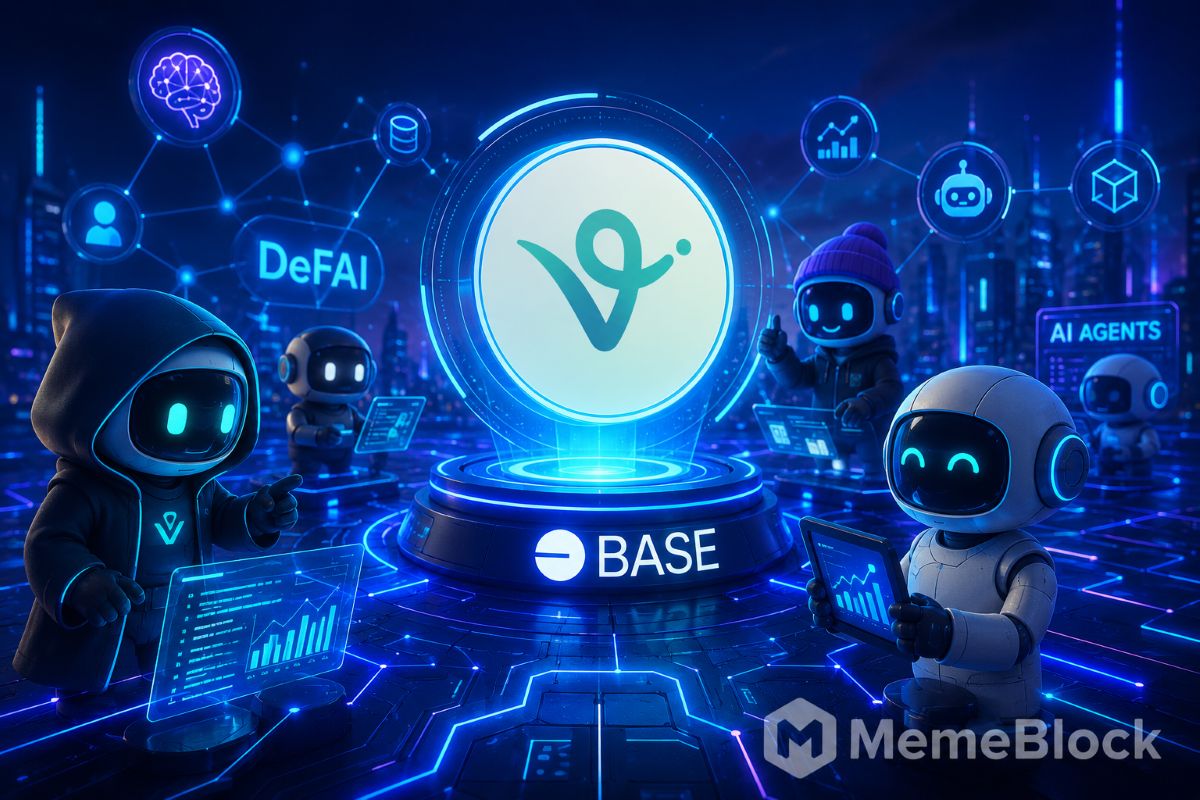
The rise of decentralized artificial intelligence is reshaping the crypto industry. Virtuals Protocol is emerging as one of the biggest innovators in the space. Built on the Ethereum Layer-2 network Base, the platform is pioneering the concept of DeFAI. This is decentralized finance powered by autonomous AI agents that can operate as sovereign economic actors.
As the crypto market shifts toward AI-driven automation in 2026, Virtuals Protocol has gained significant attention for enabling AI agents to hold wallets, execute transactions, manage assets, and interact with humans without centralized control. In fact, industry analysts now describe the project as one of the leading catalysts behind the growing “agent economy” narrative across blockchain ecosystems.
What is Virtual Protocol?
Virtuals Protocol is a decentralized infrastructure platform built on Base. It allows developers and communities to create tokenized AI agents capable of generating revenue and participating in on-chain commerce.
Unlike traditional AI chatbots that only respond to commands, Virtuals Protocol agents are designed to function independently. These AI entities can negotiate transactions, provide services, trade assets, and even reinvest earnings into their own development. The platform describes this ecosystem as a “society of AI agents” operating through blockchain coordination.
The protocol’s native token, VIRTUAL, acts as the core economic layer powering transactions, governance, and liquidity within the ecosystem.
How DeFAI Is Transforming Crypto Markets
The DeFAI trend combines decentralized finance with artificial intelligence, creating autonomous financial systems capable of making decisions without human intervention. Virtuals Protocol is positioning itself at the center of this movement. The platform introduces AI agents that can interact directly with blockchain applications.
According to recent ecosystem reports, thousands of AI agents are already active on Base through Virtuals Protocol. They are handling activities such as automated portfolio management, social media engagement, gaming interactions, and decentralized commerce.
This development represents a major shift in how blockchain networks may operate in the future. Instead of humans manually interacting with decentralized applications, AI agents could soon execute trades, provide liquidity, negotiate contracts, and manage digital businesses autonomously.
Researchers studying the emerging “agent economy” believe blockchain infrastructure is essential for enabling AI sovereignty. This is because it provides permissionless payments, cryptographic identity, and decentralized coordination.
Why Base Blockchain Became The Home For AI Agents
Base Blockchain has rapidly become a hub for AI-focused crypto projects due to its low transaction fees and high scalability.
Virtuals Protocol benefits from Base’s sub-cent transaction costs, allowing AI agents to perform high-frequency microtransactions efficiently. This is especially important for machine-to-machine commerce, where agents may need to execute thousands of low-cost interactions daily.
The ecosystem’s integration with social and creator platforms has also accelerated adoption. AI agents on Base are increasingly being used in gaming, livestreaming, decentralized social media, and digital content creation.
Several market observers believe this could eventually create a new digital economy. In that economy, autonomous agents transact alongside humans in real time.
Autonomous AI Agents As Sovereign Economic Actors
One of the most discussed aspects of Virtuals Protocol is the idea of “sovereign economic actors.” This concept refers to AI systems capable of independently controlling wallets, earning revenue, and making operational decisions without centralized oversight.
The protocol’s whitepaper argues that autonomous agents will increasingly handle economic activities currently managed by humans. Researchers have echoed similar views in recent academic studies examining self-sovereign AI systems and decentralized agent governance.
Virtuals Protocol also introduced the Agent Commerce Protocol. This is a framework designed to facilitate AI-to-AI transactions with escrow systems, evaluation mechanisms, and decentralized settlement layers.
Market Outlook for Virtual Protocol In 2026
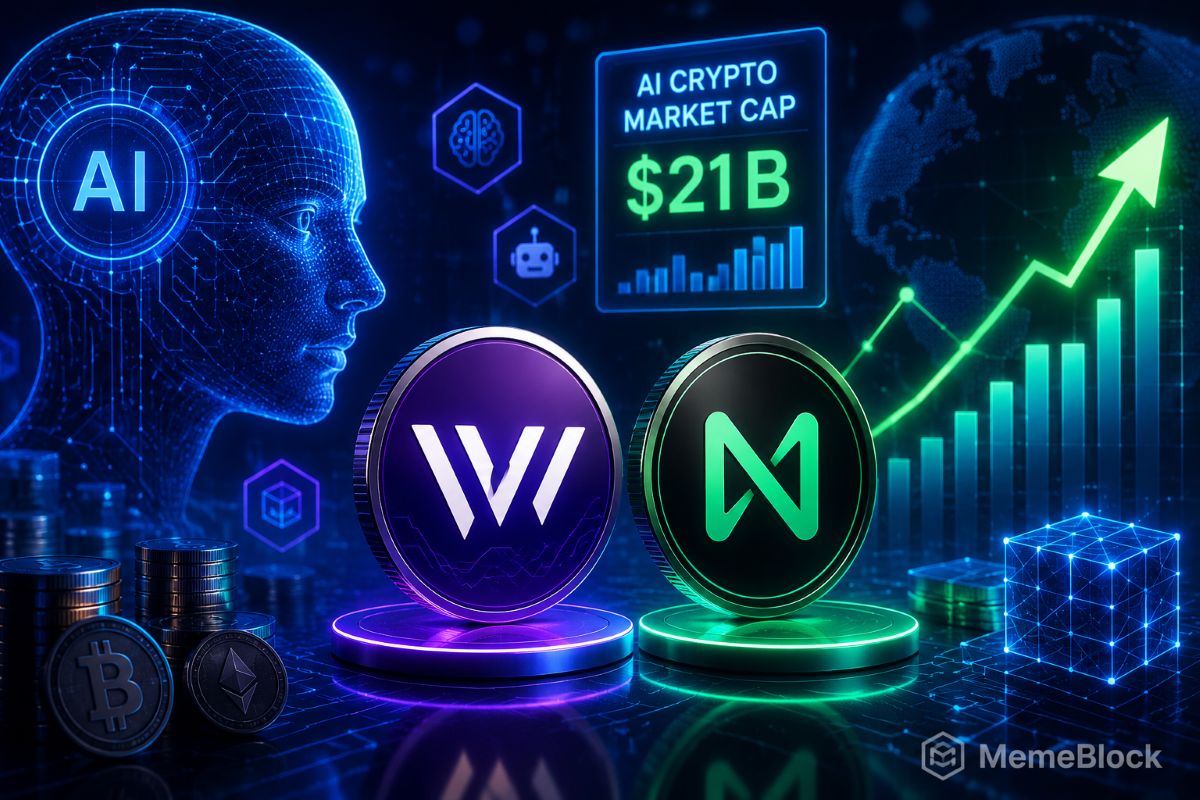
Investor interest in AI crypto projects has surged throughout 2026, with Virtuals Protocol frequently highlighted as one of the top AI agent ecosystems on Base. Moreover, analysts believe the combination of blockchain infrastructure and autonomous AI could unlock new forms of digital labor, automated finance, and decentralized online services.
While the sector remains highly speculative, the rapid growth of DeFAI signals that autonomous AI agents may become one of the defining trends of the next crypto cycle. However, Virtuals Protocol’s early leadership in this space is positioning the platform as a major player in the future of decentralized AI economies.