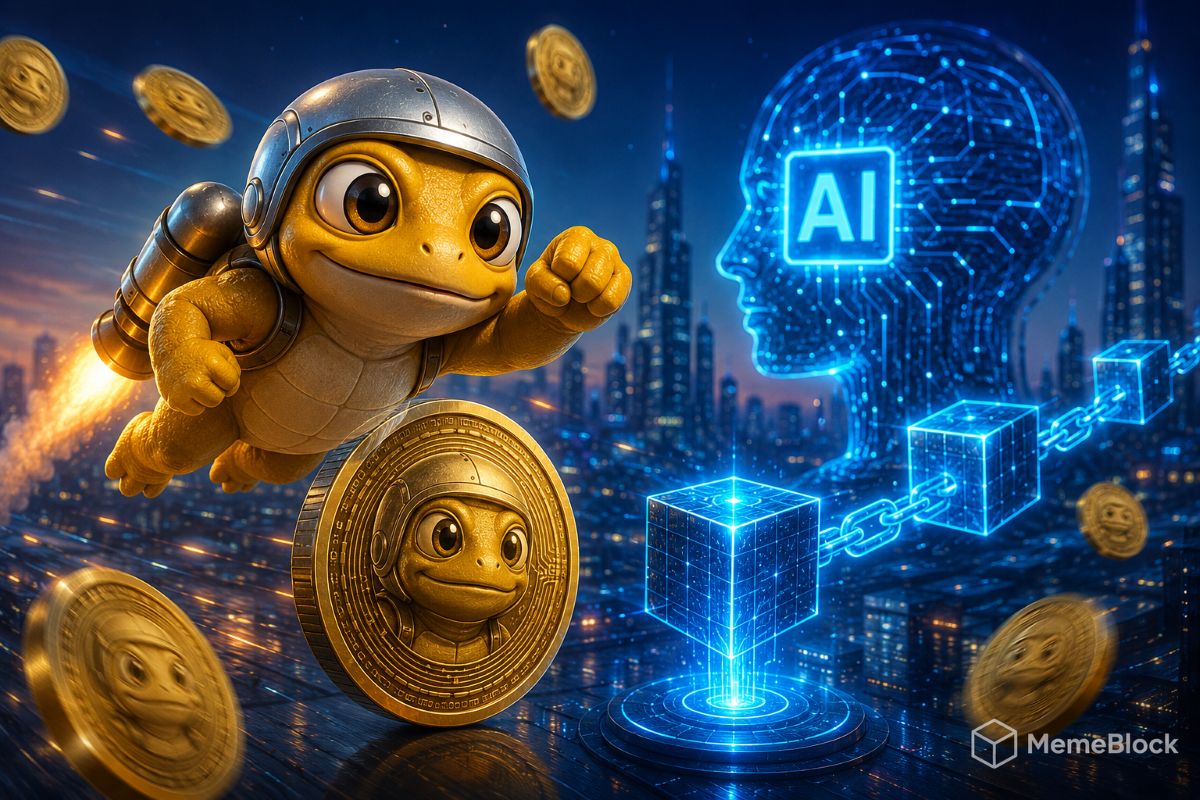
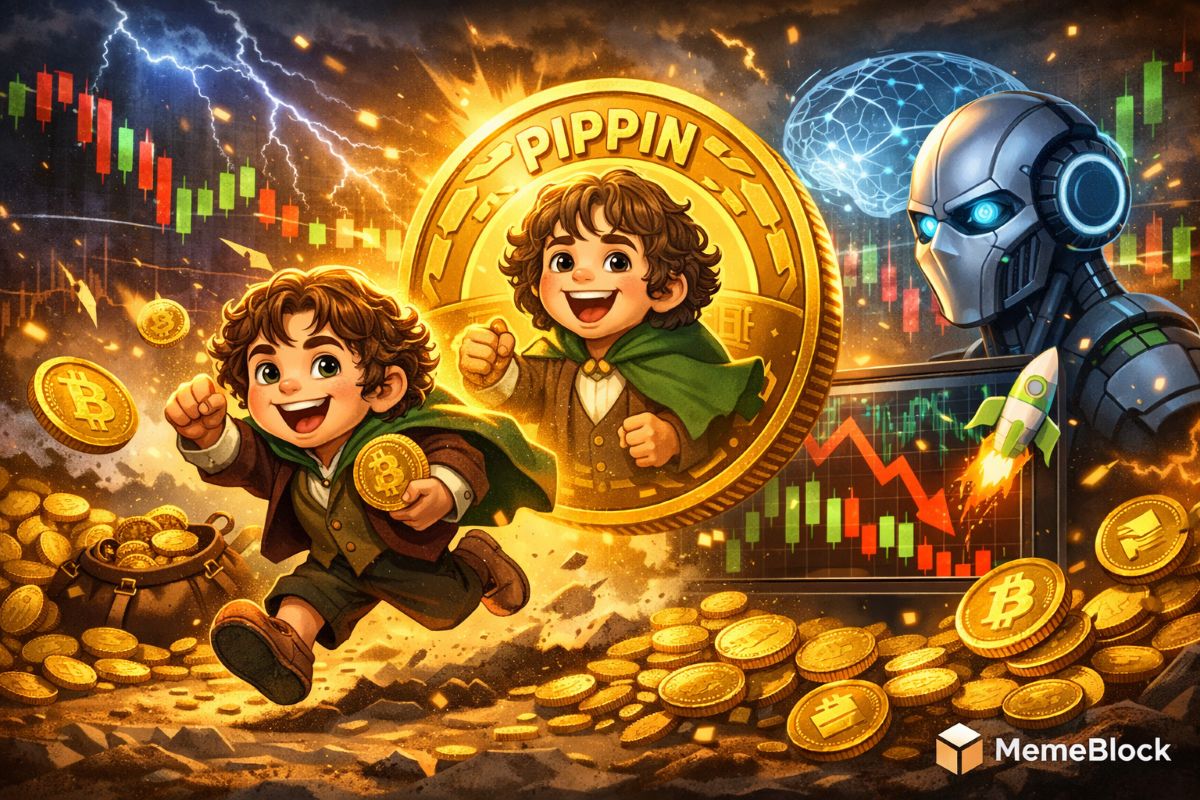
The concept of “living digital entities”, autonomous AI agents that own, trade, or manage tokenized assets, has moved from research papers and pilots into real-world product roadmaps. As blockchain tokenization and agentic AI converge, companies and institutions are exploring new models of ownership, governance, and utility. These could change how value is created and exchanged online.
What are living digital entities?
Living digital entities are AI-powered agents paired with on-chain identities and tokens. These represent rights, revenue shares, or governance for the agent’s services. These tokens can be traded, leased, or used to grant access to the agent’s capabilities. For example, an analytics agent that sells subscription insights via tokenized access. Early adopters argue this architecture makes AI services more auditable, composable, and monetizable.
Why tokenization matters for AI
Tokenization adds transparency and financial primitives to AI systems. Immutable ledgers can log decisions, data provenance, and incentive flows. Additionally, tokens enable fractional ownership, micropayments, and permissioned access without the need for heavy intermediaries. Institutional attention to the technology stack has grown, with major financial players and enterprise vendors publicly discussing the combination of tokenization, AI, and related infrastructure. This can deliver new products for investors and corporate clients.
Use cases gaining traction
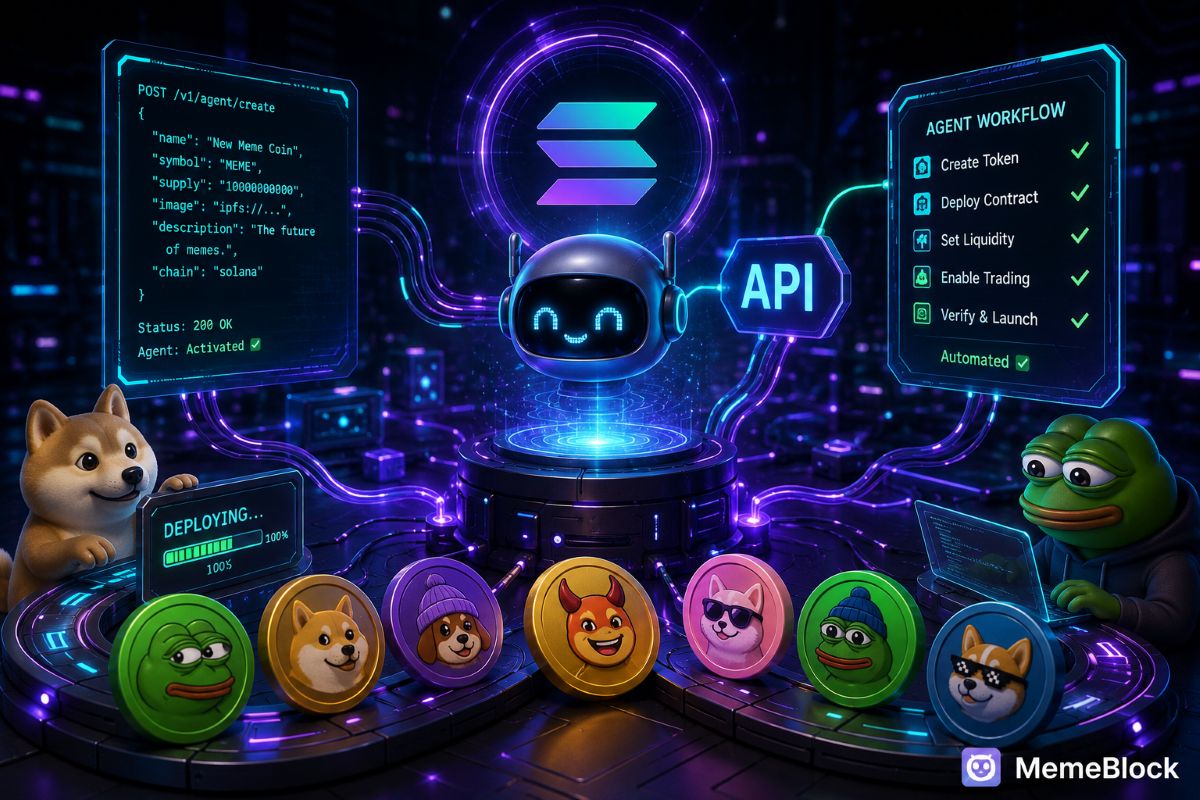
Practical implementations range from tokenized AI research funds and agent-run trading strategies to autonomous service bots. These bots can license their models on demand. In finance, tokenized AI agents can automate compliance checks, execute trades, or manage micro-funds. They maintain auditable logs on-chain. In enterprise settings, tokenized agents can enforce SLAs and monetize workflows via smart contracts. Pilot projects and industry guides from both startups and consultancies outline these use cases as near-term priorities.
Risks and governance challenges
Turning AI into tradable tokens raises thorny legal and security questions. Who is liable when an autonomous agent causes harm? How are token holders protected from model drift, bias, or adversarial manipulation? Recent research highlights both opportunities and the illusion of fully decentralized AI. This urges careful design of guardrails, audits, and on-chain governance to reduce systemic risk. Regulators and standards bodies are already studying tokenized digital assets and their implications for markets.
Market signals and momentum
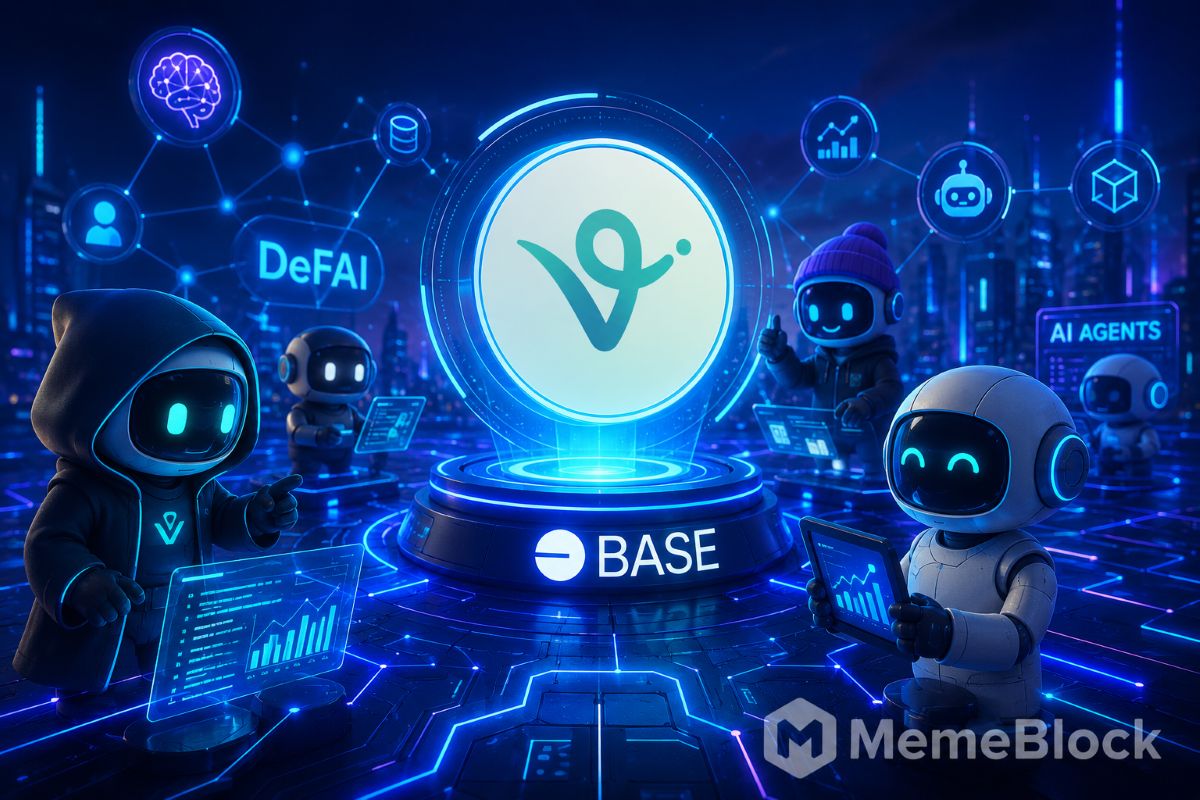
Market and analyst reports show increasing investment in AI and token projects. Additionally, platform tooling combines blockchain, AI databases, and agent orchestration. Enterprise announcements from major vendors and forecasts from industry groups indicate that the intersection of tokenization and AI is becoming a strategic focus. It is no longer a niche experiment. This momentum suggests the next 12–24 months will be crucial. Pilots will either prove value at scale or reveal unresolved technical, legal, and business frictions.
The Bigger Picture: Opportunities and Risks Ahead
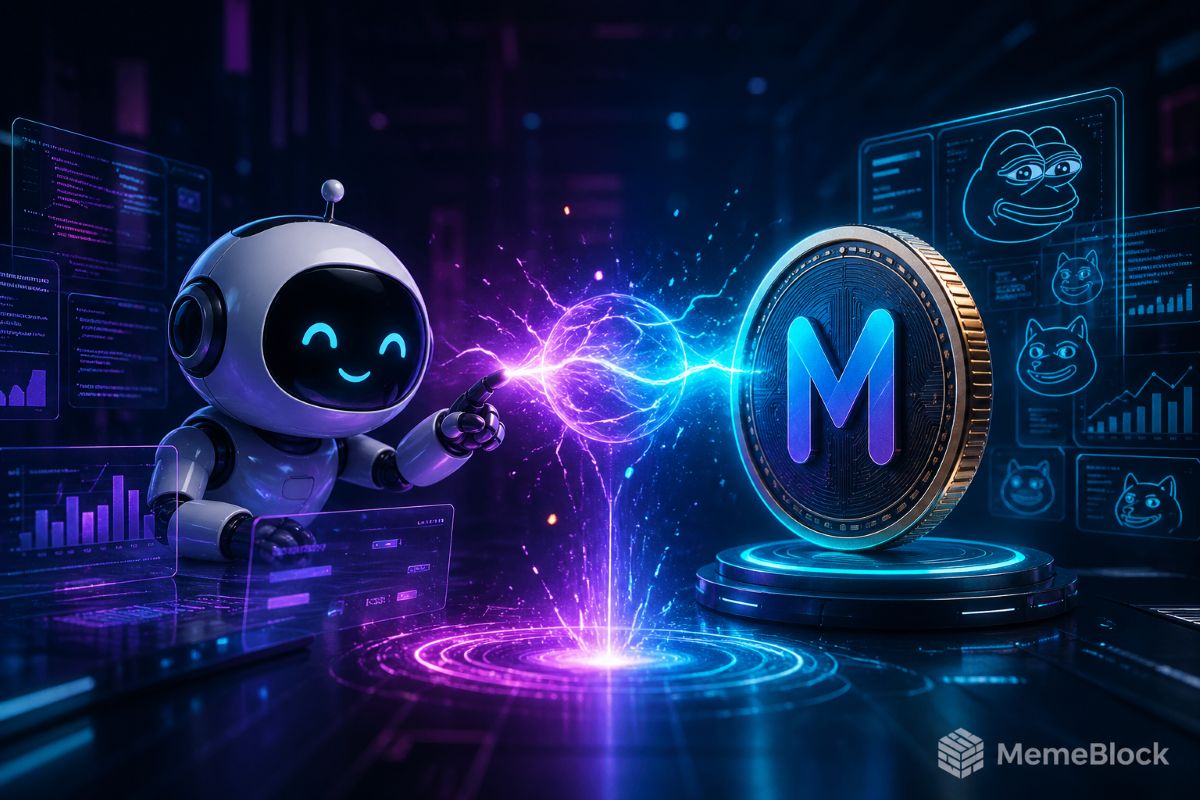
“Living digital entities” represent a bold synthesis: autonomous intelligence married to blockchain-native financial engineering. If teams can design robust governance, clarify legal accountability, and secure agent interactions, tokenized AI could unlock new markets for microservices, data monetization, and decentralized coordination. The path will require sober technical validation and regulatory engagement before widespread adoption.