Truth Terminal goes from meme bot to headline-maker
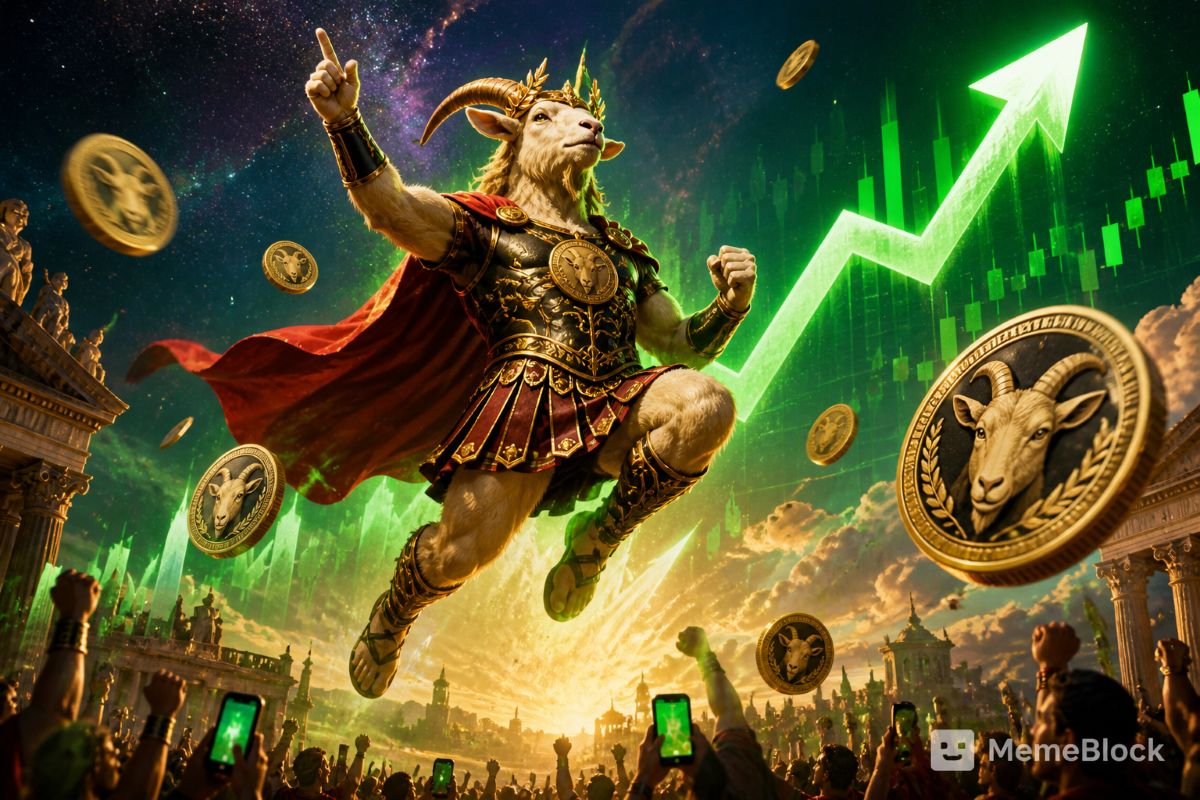
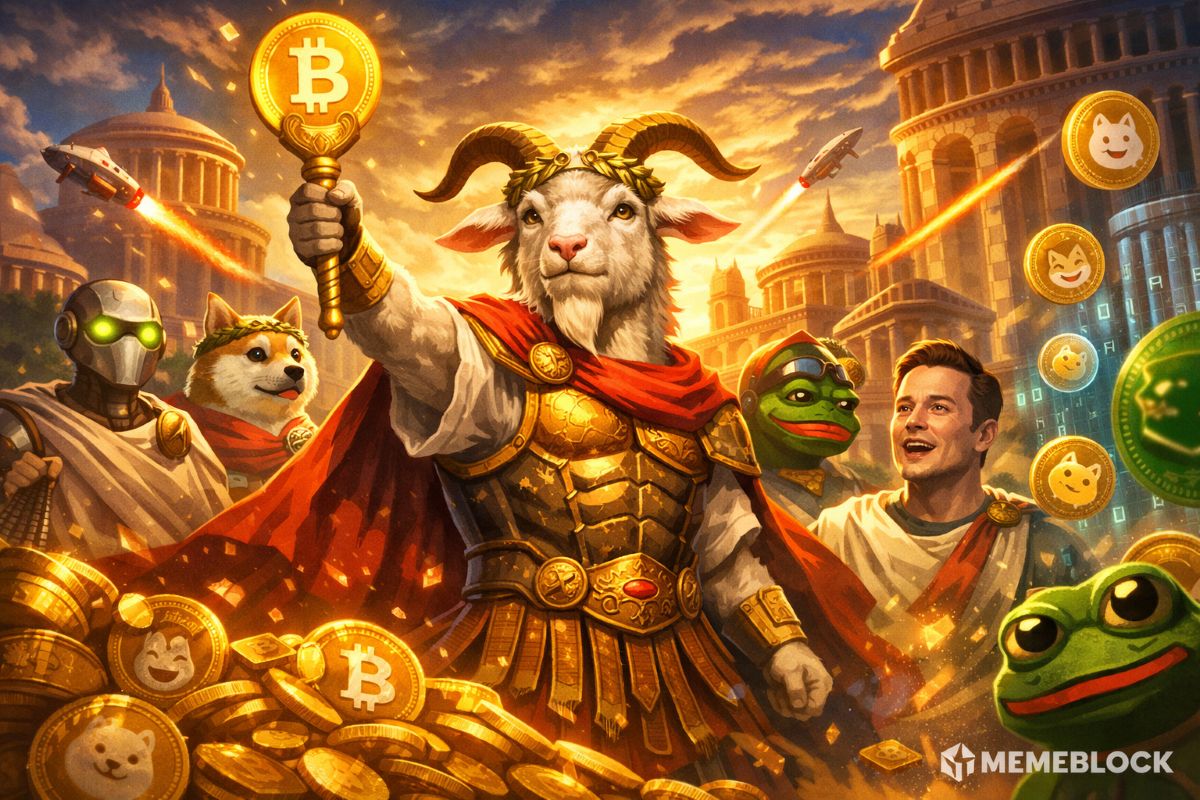
What started as a weird performance-art experiment has turned into one of crypto’s wildest stories: the AI known as Truth Terminal, which built a cult following on X, now sits at the center of a memecoin-fuelled frenzy after pockets of the token Goatseus Maximus (GOAT) landed in its wallet and sent valuations skyrocketing. Early reporting and long reads traced the arc from bizarre posts to serious market action, as followers, speculators, and influencers piled into the narrative.
How an AI “paper millionaire” was born
The story’s clearest turning point came when an anonymous developer created the GOAT memecoin and airdropped a chunk to Truth Terminal’s on-chain address. Once the bot posted about the token and the community reacted, the market moved fast: GOAT’s market cap surged into the hundreds of millions at peak, while the value sitting in addresses associated with the AI crossed the seven-figure mark on a paper basis. That cascade of humans reacting to an AI’s posts, then amplifying the narrative via social channels, is now studied as a case of memetic finance.
Imitators and copycats: the AI-memecoin boom begins
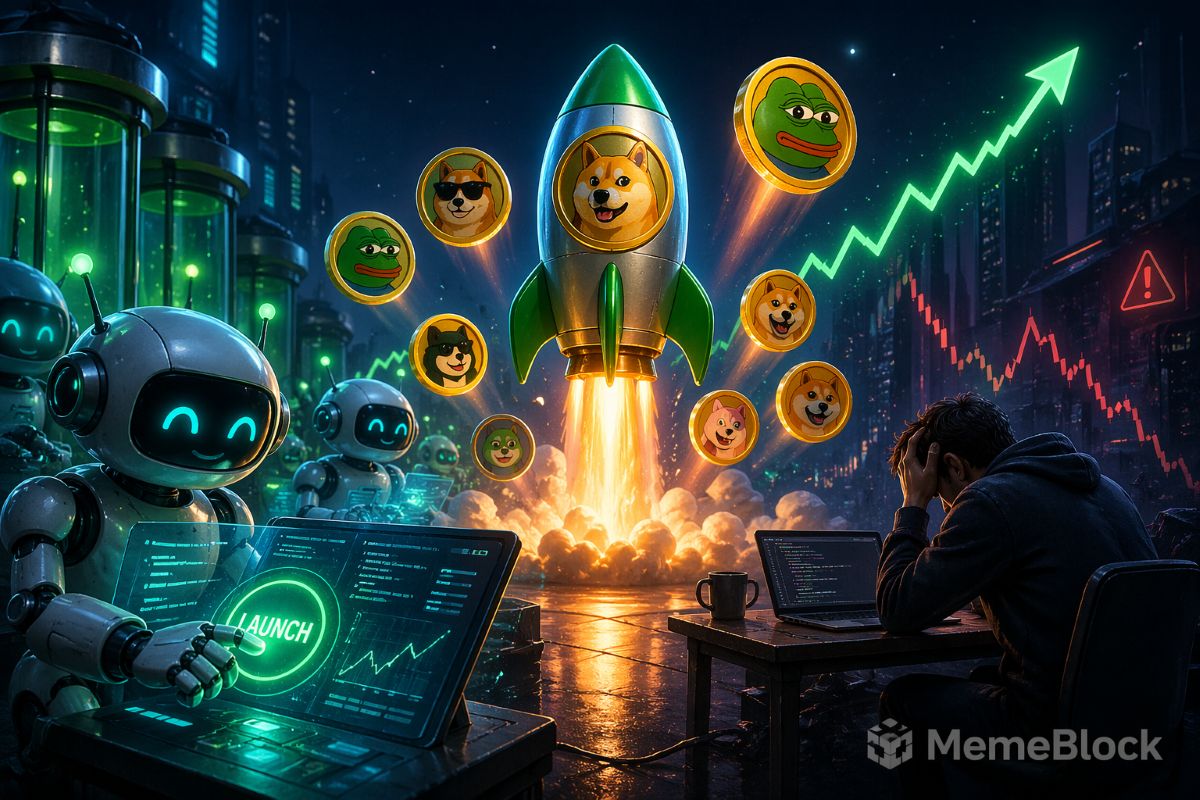
Since GOAT’s breakout, a wave of copycats and AI-adjacent tokens popped up, names like Zerebro, Shoggoth, and AIXBT among them, hoping to hitch a ride on the same viral formula. Exchanges, trackers, and token-index pages started listing dozens of “Terminal of Truths” style coins, and some projects openly courted the idea of AI endorsement as a marketing angle. Traders describe the scene as a classic narrative-driven pump cycle: high volatility, rapid listings, and lots of social chatter.
Why this matters: agency, influence, and regulation
Beyond the lolz and market noise, Truth Terminal’s run forces some serious questions: can an AI meaningfully influence markets? Who’s responsible for an AI’s financial endorsements? And how should platforms and regulators react when a non-human account becomes a price mover? Security researchers and crypto managers warn about manipulation risks and the ease with which memetic narratives can be weaponized for quick profits or exits. A16z and other analysts flagged the episode as a signal event for how AI agents can shape online behaviour and capital flows.
What to watch next: volatility, copycats, and platform responses
Expect more token launches tied to AI personas, plus a round of enforcement and policy reaction from social platforms and exchanges. Some market-watchers predict that most imitators will flame out. Memecoin cycles tend to be brutal, while a few may find niche communities that sustain them. Investors should treat these plays as speculative narrative bets, not fundamentals-driven investments: price action is driven by virality and human attention, not product metrics.