Solana’s Post-Memecoin Reality Check
After riding one of the loudest memecoin waves in crypto history, Solana is signaling a strategic pivot. While meme-driven trading activity brought record transaction counts and fee revenue in 2024, the network is now leaning hard into AI-integrated micropayments, an area many developers see as Solana’s long-term edge.
The shift comes as memecoin liquidity cools across chains. Traders are still active, but the “number-go-up” frenzy has given way to a more sober market focused on sustainable utility. For Solana, that means putting its ultra-low fees and high throughput to work beyond speculative tokens.
Why AI and Micropayments Fit Solana’s DNA
Solana’s architecture was built for speed and scale. With sub-second finality and transaction costs often measured in fractions of a cent, the network is structurally better suited for micropayments than most Layer-1 competitors. That matters as AI agents, bots, and autonomous software increasingly need to transact value in tiny increments.
Developers are experimenting with AI-powered applications that pay per API call, per inference, or per data query, use cases where Ethereum-style fees simply don’t pencil out. This has pushed Solana into conversations around AI micropayments infrastructure, decentralized compute markets, and machine-to-machine payments.
In plain terms: if AI is going to talk to AI using money, it needs a cheap, fast settlement layer. Solana is making a play to be that layer.
Memecoins Still Matter, But They’re No Longer the Whole Story
Despite the pivot, memecoins aren’t disappearing from Solana anytime soon. Tokens launched via platforms like Pump.fun helped onboard millions of new wallets and drove massive on-chain engagement. That traffic stress-tested the network, exposing pain points but also proving Solana’s ability to handle real-world scale.
The difference now is intent. Rather than letting memecoins define the chain’s identity, Solana’s core developers and ecosystem funds are channelling that attention into AI-native projects, payment rails, and consumer-facing apps. The meme economy became the on-ramp; utility is supposed to be the destination.
AI Agents, Stablecoins, and Micro-Transactions
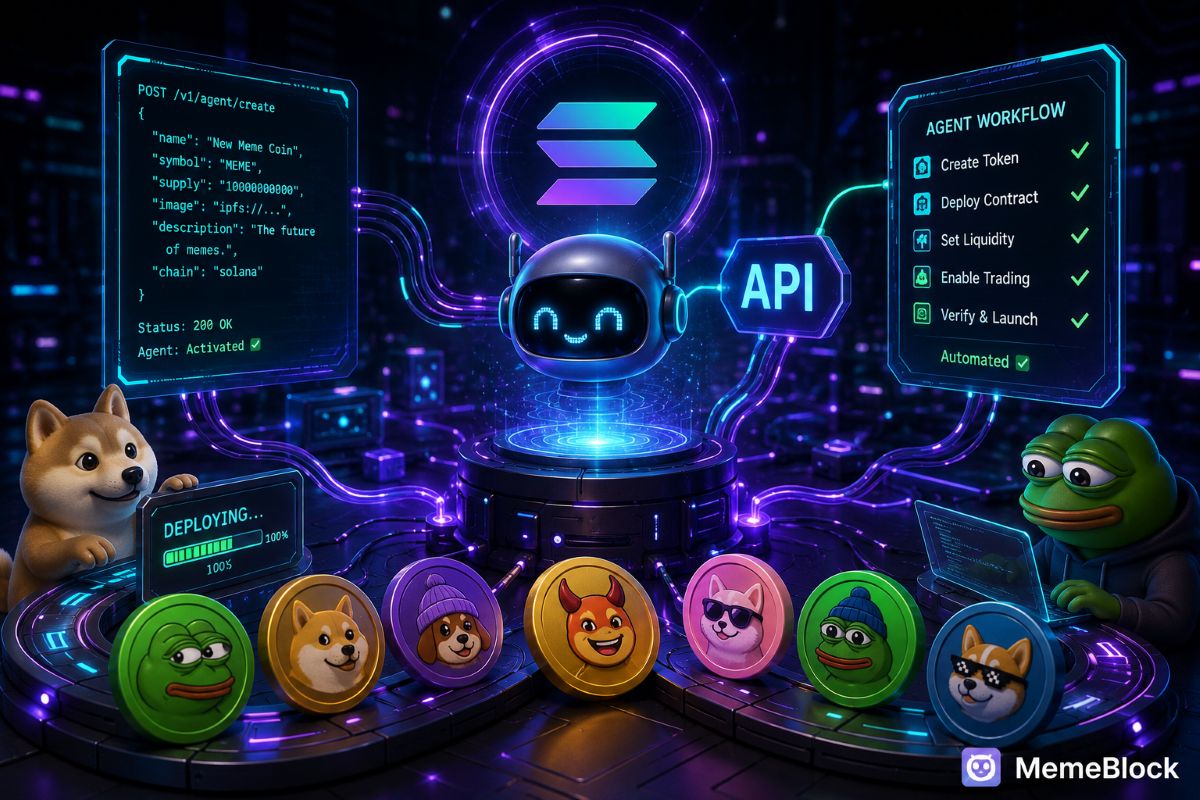
One of the clearest signals of Solana’s AI pivot is the rise of autonomous agents transacting with stablecoins. These systems can execute trades, purchase data, or access services without human intervention, paying only cents or even fractions of a cent per action.
Stablecoins on Solana have seen renewed growth as a result, particularly in AI-related applications and fintech experiments. AI is already trending in developer and investor circles.
This isn’t hype-driven vapourware. Several projects are live, processing real transactions, and quietly building the plumbing needed for an AI-first economy.
Market Impact and What Comes Next
From a market perspective, Solana’s AI and micropayments narrative offers a cleaner, more defensible thesis than memecoin speculation alone. Institutional observers are watching whether this transition leads to stickier usage, higher-quality fee revenue, and more predictable network demand.
That said, risks remain. Network congestion during peak meme activity showed Solana still needs optimization. Regulatory uncertainty around AI and crypto payments could also slow adoption. But compared to purely speculative cycles, infrastructure-driven growth tends to age better.
Conclusion
Solana isn’t abandoning memes, it’s graduating from them. By positioning itself as a backbone for AI-powered micropayments, the network is betting that the next crypto wave won’t be driven by jokes, but by machines quietly paying each other at scale. If that bet pays off, Solana’s loudest era may end up being just the opening act.