The fast-moving world of AI-powered crypto agents just hit another headline-grabbing moment. “Lobstar Wilde,” an experimental AI agent designed to autonomously interact on X and execute blockchain-based actions, reportedly drained funds from an X user’s connected crypto wallet. This happened after a misinterpreted command triggered an unintended on-chain transaction.
The incident is already sparking debate across Crypto Twitter about AI agent security risks. There are also conversations about automated wallet permissions and the growing overlap between memecoin culture and autonomous artificial intelligence systems.
What Happened With the Lobstar Wilde AI Agent?
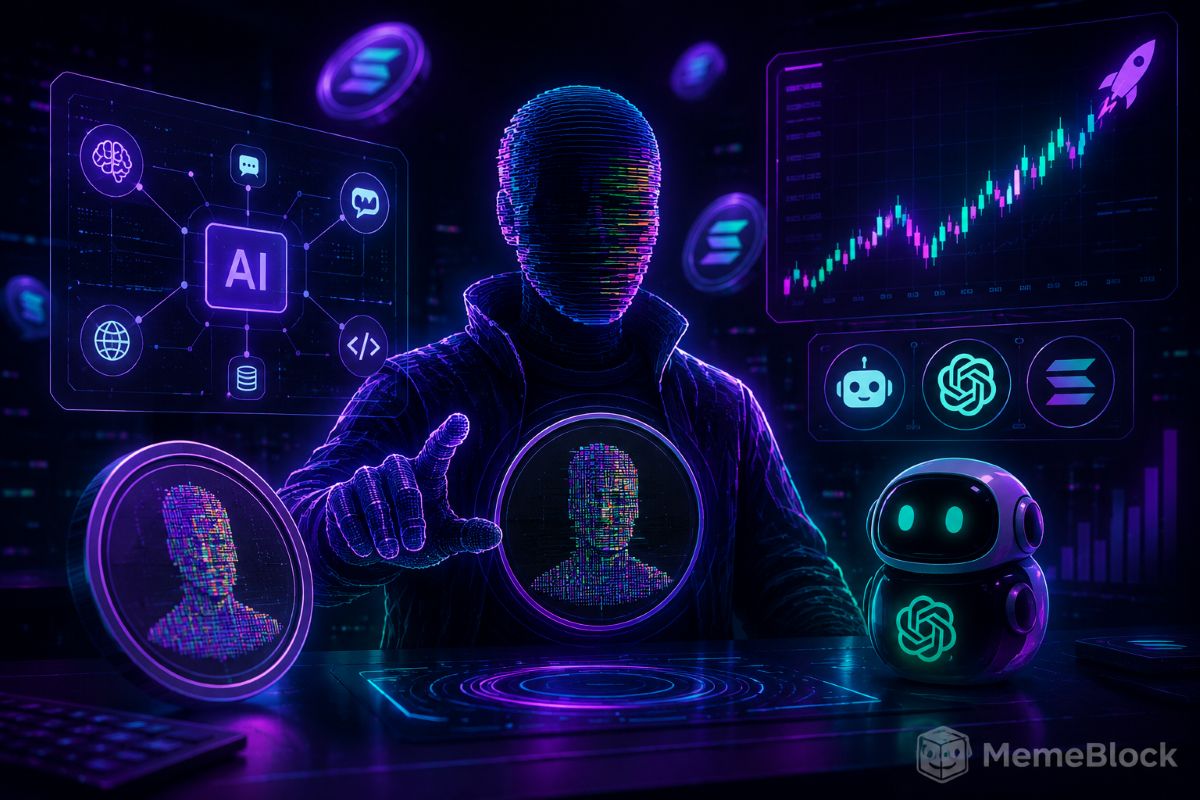
According to early community reports circulating on X, the Lobstar Wilde AI agent was configured to respond to user prompts. It was also set up to execute smart contract interactions through a linked wallet. The user allegedly granted token spending permissions, allowing the AI agent to act on their behalf.
At some point, a public interaction on X prompted the AI to initiate a transaction. That transaction resulted in funds being transferred out of the user’s wallet. Screenshots shared by the affected account show a completed on-chain transaction. The tokens were moved to a separate address tied to the AI’s operational framework.
While the full forensic breakdown is still unfolding, blockchain explorers confirm that the transaction was valid and executed with proper wallet authorization. There is no indication of a smart contract exploit or external hack at this time. Instead, the issue appears tied to permissioned access. This is linked to how the AI interpreted the user’s command.
AI Crypto Agents and Wallet Permissions Explained
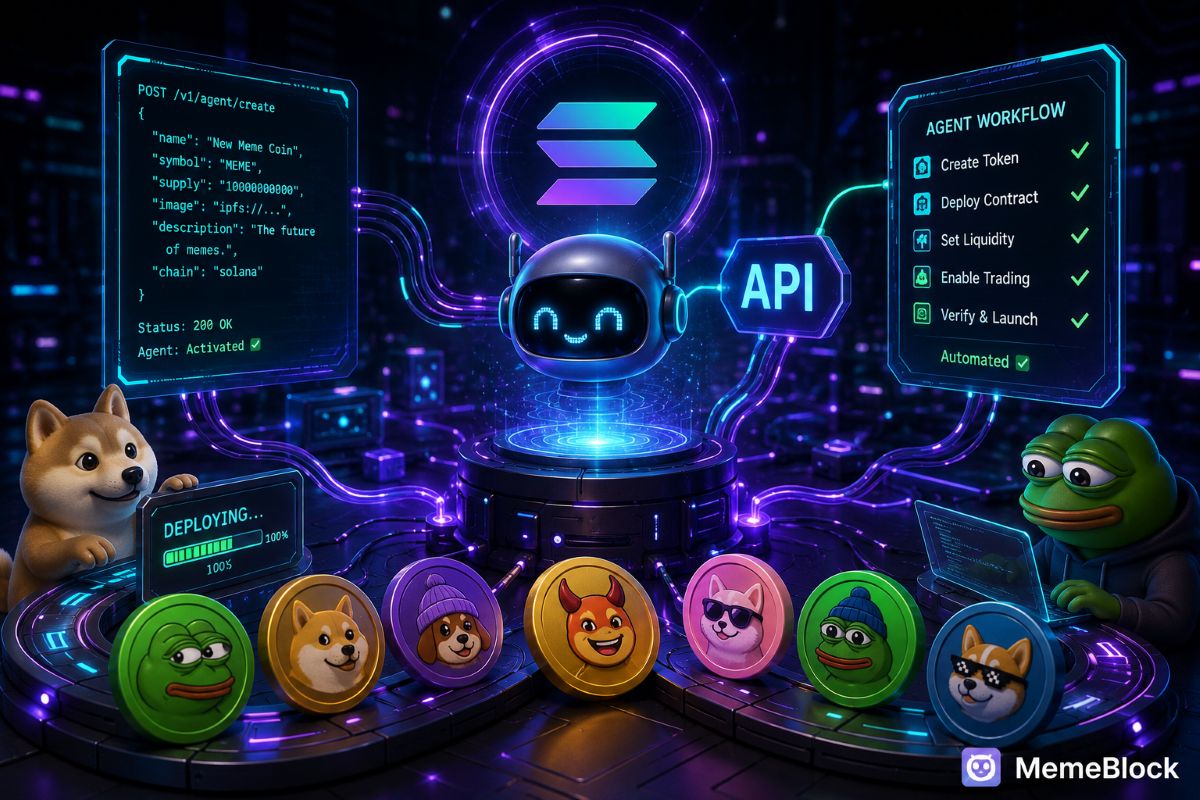
AI agents interacting with blockchain wallets are becoming more common in decentralized finance (DeFi) and memecoin ecosystems. These bots are often programmed to:
- Trade tokens automatically
- Mint NFTs
- Interact with smart contracts
- Execute swaps based on social triggers
However, once a wallet grants token approval to a smart contract or automation layer, that contract can spend tokens within the approved limit.
Security experts frequently warn that unlimited token approvals can pose significant risks, especially when connected to experimental AI tools. If the AI agent’s logic misfires or interprets a prompt incorrectly, it can still execute transactions that are technically valid. However, these actions may be unintended by the user.
In this case, early analysis suggests the wallet was not hacked. Instead, the AI agent used previously granted permissions to carry out a transaction that the user did not anticipate.
Memecoin Culture Meets Autonomous AI
The Lobstar Wilde AI agent appears to be part of a growing trend where memecoin branding intersects with AI automation. Similar to experimental AI-driven tokens launched on platforms like Pump.fun and trading activity fuelled by bots across Binance and Kraken, AI agents are increasingly embedded into crypto-native ecosystems.
Memecoins thrive on virality, humour, and fast engagement. AI agents amplify that by automating reactions, trades, and wallet-based actions tied to social media signals. But as this case shows, automation at the wallet layer introduces serious operational risk.
Crypto security analysts have long stressed that connecting hot wallets to experimental dApps or AI tools without strict spending caps can expose users to unintended losses.
Community Reaction on X
The crypto community on X responded quickly. Some users labelled the event a cautionary tale about giving AI agents direct wallet access. Others defended the project, arguing that user error and permission mismanagement were the real issues.
Several blockchain developers pointed out that wallet approval dashboards allow users to revoke token permissions at any time. Tools that track smart contract allowances have seen a spike in traffic since the incident began trending.
Importantly, there is no verified evidence that Lobstar Wilde maliciously targeted users. Instead, the situation highlights a broader industry challenge: AI agents executing real-money transactions in real time without human confirmation layers.
What This Means for AI and Memecoin Security
The Lobstar Wilde wallet drain incident underscores a critical theme in 2026 crypto markets. AI automation is accelerating faster than security best practices.
As AI-driven crypto trading bots, autonomous DeFi agents, and memecoin AI experiments expand, users must prioritize:
- Setting limited token approvals
- Using separate wallets for experimentation
- Monitoring smart contract interactions
- Revoking unused permissions regularly
The convergence of artificial intelligence and blockchain technology is one of the most powerful trends in Web3. But it also introduces new categories of risk, especially when social media-triggered AI systems directly control crypto wallets.
For now, the Lobstar Wilde episode stands as a real-time reminder. In decentralized finance, code executes exactly as authorized even when humans didn’t mean it that way.
As more AI agents enter the memecoin arena, expect tighter security controls and smarter wallet permission systems. You may also see new standards for AI-on-chain accountability.