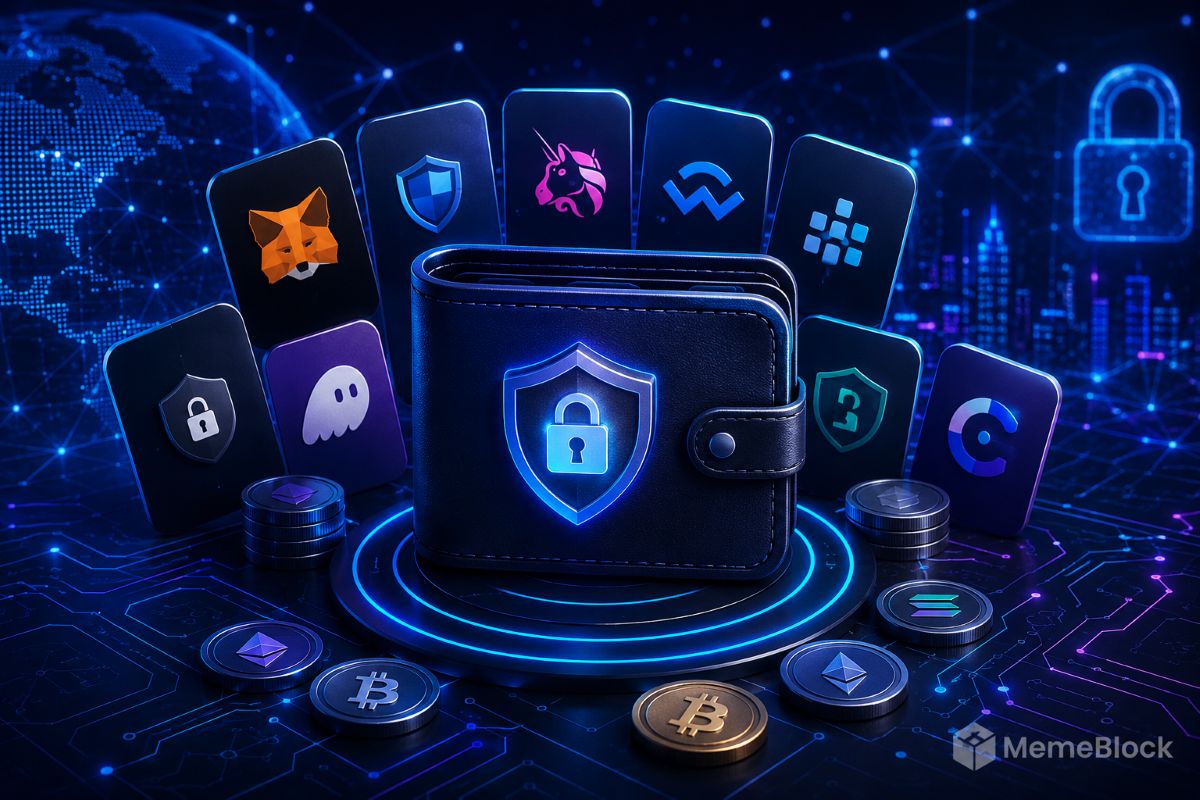
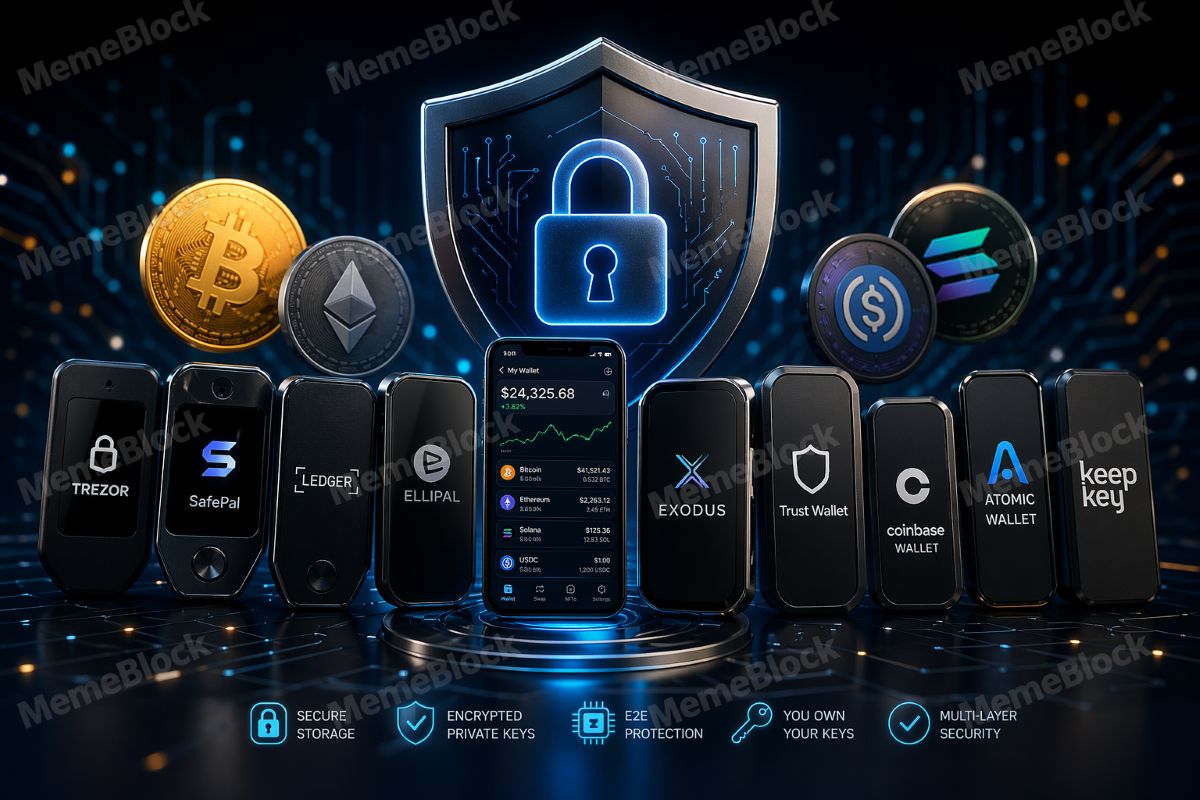
As Web3 adoption accelerates in 2026, many crypto investors are searching for safer, faster, and more user-friendly wallet options beyond MetaMask. While MetaMask remains one of the most recognized Ethereum wallets, rising concerns around phishing attacks, high swap fees, and limited non-EVM functionality have pushed users toward newer multi-chain wallets. Recent industry comparisons show wallets like Rabby, Phantom, Trust Wallet, and Coinbase Wallet gaining major traction among DeFi traders and NFT users.
1. Rabby Wallet
Rabby Wallet has become one of the biggest MetaMask competitors for DeFi users in 2026. Developed by DeBank, the wallet automatically switches between EVM chains and simulates transactions before approval, helping users avoid malicious smart contracts.
Unlike MetaMask, Rabby does not charge additional swap fees and supports more than 120 EVM-compatible networks. Security-focused traders particularly favour its transaction preview feature.
2. Phantom
Originally built for Solana, Phantom has evolved into a powerful multi-chain wallet supporting Ethereum, Polygon, and Bitcoin. Its sleek interface and beginner-friendly onboarding continue to attract NFT collectors and mobile users.
Industry analysts consistently rank Phantom among the best wallets for NFT trading and Solana ecosystem access in 2026.
3. Trust Wallet
Trust Wallet remains one of the strongest MetaMask alternatives thanks to its support for over 100 blockchains. The wallet offers staking, token swaps, NFT storage, and integrated Web3 browsing.
Many users prefer Trust Wallet because of its mobile-first experience and simplified crypto management system. Reports published in 2026 also highlight its massive global user base, exceeding hundreds of millions of downloads.
4. Coinbase Wallet
Coinbase Wallet has grown rapidly among beginners entering decentralized finance. Unlike the centralized Coinbase exchange, the wallet is fully self-custodial, meaning users control their private keys.
Its integration with passkey technology and seamless exchange connectivity make it attractive for newcomers transitioning into self-custody.
5. Exodus
Exodus stands out for its polished desktop interface and cross-platform compatibility. The wallet supports hundreds of crypto assets and integrates directly with Trezor hardware wallets for enhanced security.
Several 2026 wallet rankings placed Exodus among the best overall crypto wallets due to its user-friendly design and built-in exchange functionality.
6. Zengo
Zengo is gaining popularity because it eliminates traditional seed phrases. Instead, it uses MPC (Multi-Party Computation) security technology to protect user accounts.
For beginners worried about losing recovery phrases, Zengo offers a more modern approach to wallet security while still maintaining self-custody principles.
7. SafePal
SafePal combines hardware and software wallet functionality into one ecosystem. Backed by Binance, the platform appeals to users who want stronger offline protection while maintaining DeFi accessibility.
Its QR-code transaction system provides an extra security layer against online attacks.
8. Ledger Live
Although Ledger is primarily known for hardware wallets, Ledger Live has become an essential companion app for secure crypto management. It supports staking, NFT storage, and multi-chain asset management.
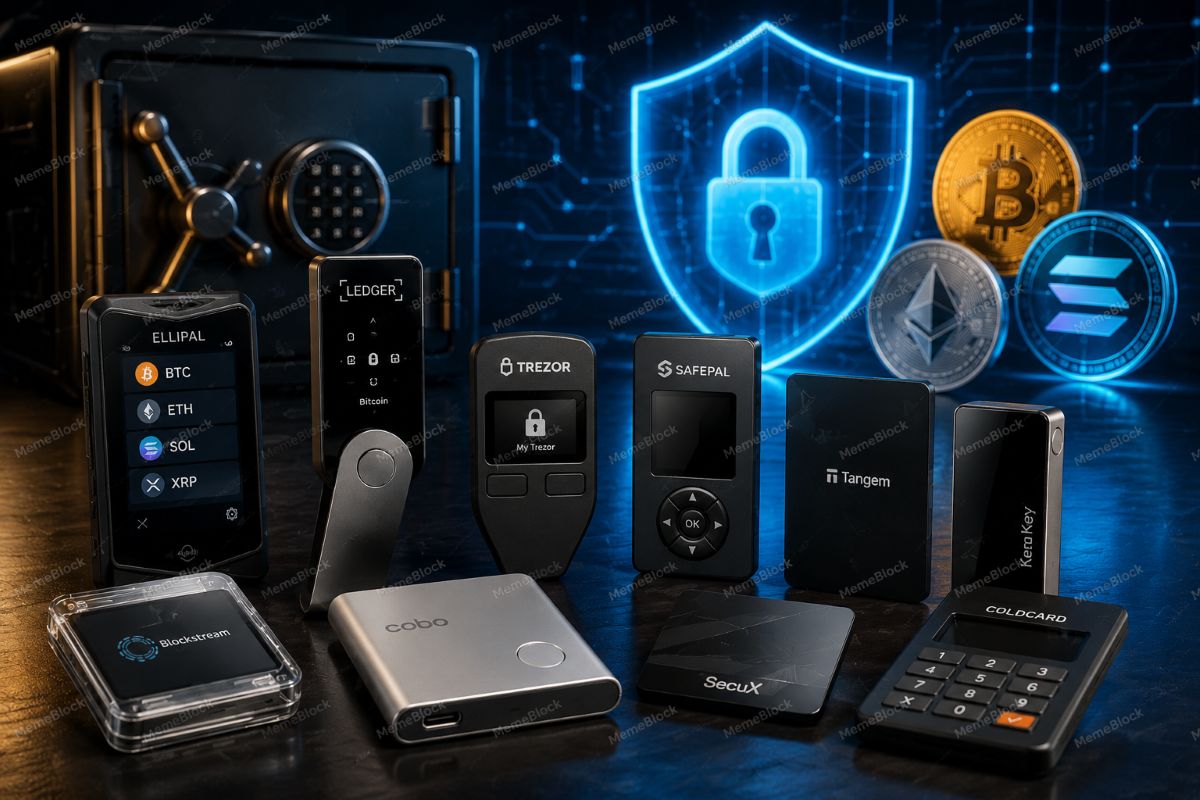
Security-conscious investors increasingly combine Ledger hardware devices with DeFi wallets for safer transactions in 2026.
9. Backpack Wallet
Backpack Wallet has emerged as a rising Web3 wallet focused on the Solana and EVM ecosystems. The platform offers xNFT integration and strong support for decentralized applications.
Crypto traders seeking a modern interface and advanced Web3 functionality are increasingly migrating toward Backpack in 2026.
10. Guarda Wallet
Guarda Wallet remains a reliable choice for users managing diverse crypto portfolios. The wallet supports dozens of blockchains and offers staking, token swaps, and hardware wallet integration.
Its flexibility across desktop, web, and mobile platforms makes it appealing to long-term crypto holders.
Final Thoughts
The crypto wallet market in May 2026 is far more competitive than ever before. While MetaMask still dominates Ethereum-based Web3 activity, wallets like Rabby, Phantom, Trust Wallet, and Zengo are addressing growing concerns around usability, security, and multi-chain support.
Choosing the best MetaMask alternative ultimately depends on your needs. DeFi traders may prefer Rabby, NFT collectors often lean toward Phantom, while beginners usually gravitate toward Coinbase Wallet or Trust Wallet. As security threats continue evolving, many experts also recommend combining hot wallets with hardware solutions for safer long-term crypto storage.