Centralized exchanges (CEX) are still the fastest way to on-ramp, trade, and custody crypto for millions of users. This listicle breaks down the best CEXs in 2025, what makes each stand out, and which use-cases they’re best for.
- Binance: Best for Liquidity & Low Fees
Binance remains the largest exchange by trading volume and user reach, offering deep liquidity, low maker/taker fees, and an extensive token catalog, plus a growing set of regulated entities after recent global licensing moves. These strengths make it ideal for high-frequency traders and large orders. - Coinbase: Best for U.S. Compliance & Beginners
Coinbase is the go-to for U.S. retail investors who want a beginner-friendly interface, fiat on-ramps, and a clearer regulatory posture. In late 2025, it’s also restarting onboarding in some markets (e.g., India) while expanding fiat rails, positioning it as a trusted fiat-to-crypto gateway. - Kraken: Best for Transparency & Security
Kraken emphasizes security, regulatory compliance, and transparency (regular Proof-of-Reserves reports). Its long security track record and public attestations make it attractive for users prioritizing custody safety and regulatory clarity. - OKX: Best for Advanced Derivatives Traders
OKX offers a wide derivatives suite, margin tools, and competitive fees for professional traders. It’s frequently ranked high by trading volume and provides global market access with many derivative pairs and advanced order types. - Bybit: Best for Derivatives & Promotions
Bybit has become a top derivatives venue with strong liquidity in perpetual futures and frequent trading promotions. It’s a popular choice for derivatives traders seeking tight spreads and active orderbook depth. Market ranking sites list Bybit among the top CEXs by volume and trust metrics. - Crypto.com: Best for Consumer Rewards & Card Integration
Crypto.com combines an exchange with payment integrations and rewards programs (cards, staking bonuses). For users who want to link spending and crypto yields, its ecosystem approach remains compelling. - Gemini: Best for U.S. Regulatory Focus & Institutional Custody
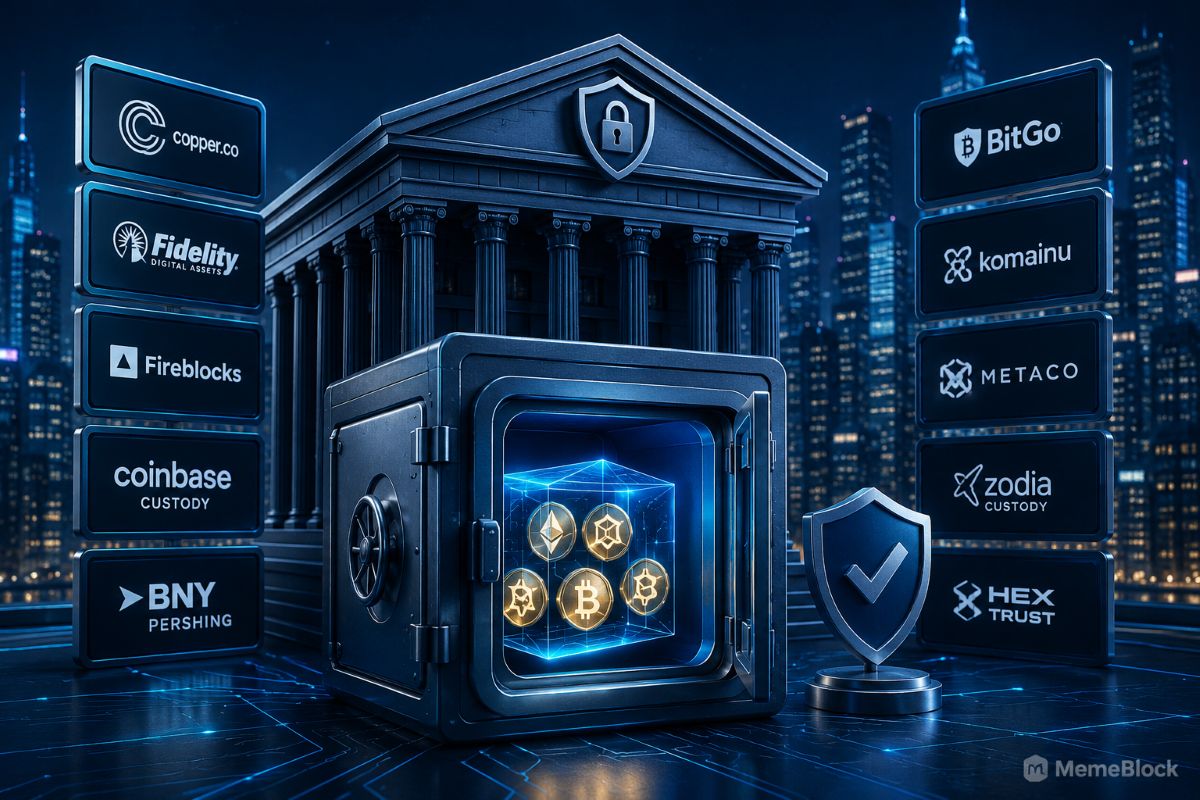
Gemini focuses on institutional custody services, strong compliance, and regulated operations in the U.S. That makes it suitable for institutions and cautious retail users who value regulatory alignment and insurance frameworks.
How to pick the right exchange (Quick Checklist)
- Check regulatory coverage and licenses for your jurisdiction.
- Review security measures and Proof-of-Reserves disclosures.
- Compare fees, spreads, and liquidity for the trading pairs you need.
- Confirm fiat on-ramp/withdrawal methods and KYC requirements.
- Evaluate customer support responsiveness and insurance coverage.
FAQs
Q: Which CEX has the lowest fees?
A: Fee structures vary by volume and product; Binance typically offers the lowest maker/taker fees for high-volume traders, while fee discounts are common across major exchanges.
Q: Are exchanges safe to hold long-term crypto?
A: Exchanges are convenient but introduce counterparty risk; many users prefer hardware wallets or custodial services for long-term holdings and use exchanges for active trading and fiat rails.
Q: What’s Proof-of-Reserves and why it matters?
A: Proof-of-Reserves is an attested snapshot showing that an exchange holds the assets customers deposited. Exchanges like Kraken publish PoR reports to increase transparency.
Q: Can I use one exchange globally?
A: Availability and features depend on local regulations; some exchanges restrict products by country. Always check the exchange’s regional licensing and product list before depositing.